Arabfields, Sophia Daly, Financial Analyst specialized in Agriculture and Futures Markets — The global coffee market entered a new phase in the first half of 2026 as rising production forecasts began reshaping expectations after several years marked by supply shortages, extreme price volatility and climate-related disruptions.
Coffee prices remained one of the most closely watched indicators in global agricultural trade. Arabica futures, which reached historic highs during 2025 amid drought concerns in Brazil and lower harvests in Vietnam, started to ease during the first months of 2026 as production prospects improved across major exporting countries. By late May, arabica coffee futures were trading near 268 cents per pound, significantly below the peaks recorded a year earlier, although retail coffee prices in many consumer markets remained elevated due to transportation, energy and processing costs.
The improvement in market sentiment has been largely driven by stronger harvest expectations in Brazil, the world’s largest coffee producer and exporter. Industry forecasts indicate that Brazilian production could reach between 75 and 76 million bags during the 2026-2027 season, potentially marking the largest crop in the country’s history. Export volumes are also expected to reach record levels, with shipments projected to exceed 50 million bags.
Vietnam, the world’s leading robusta producer, has also recorded stronger export activity. During the first quarter of 2026, coffee exports increased by more than 14 percent year-on-year, helping ease concerns about global supply availability after several difficult seasons. Improved weather conditions and better crop management contributed to the recovery.
According to international market estimates, global coffee production could reach between 180 and 182.5 million bags during the 2026-2027 season. Consumption is projected at approximately 172.5 million bags, creating a potential surplus exceeding 10 million bags, the largest positive supply balance seen in several years. Analysts believe this surplus could gradually stabilize prices after a prolonged period of market tension.
Despite improving supply figures, the coffee trade continues to face structural challenges. Global inventories remain relatively tight after multiple years of production deficits, while climate risks continue to influence market behavior. Agricultural experts warn that potential El Niño developments could affect flowering conditions in Brazil later this year, creating uncertainty for future harvests.
Importing countries have also experienced significant pressure from elevated coffee costs. In North America and Europe, many roasters and distributors continue to face high replacement costs despite the recent decline in futures prices. Several coffee businesses reported that retail prices have not yet reflected the drop in commodity markets because of existing contracts, logistics expenses and packaging costs.
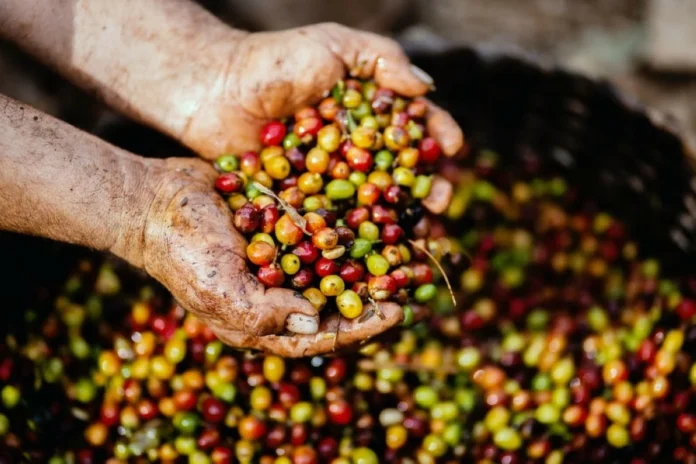
Behind the market statistics are millions of farmers whose livelihoods depend on coffee cultivation. In Latin America, Africa and Asia, growers continue to navigate rising production costs, labor shortages and increasingly unpredictable weather patterns. Small producers in countries such as Honduras, Ethiopia and Colombia remain particularly exposed to market fluctuations despite the recent improvement in supply conditions.
Coffee traders are closely monitoring import and export flows as global demand continues to evolve. Emerging markets in Asia and the Middle East are showing stronger coffee consumption growth, while demand in traditional markets remains relatively stable. Industry observers believe these shifts could help absorb part of the expected production surplus over the next few years.
Looking ahead, most forecasts suggest that the global coffee sector will remain volatile despite the prospect of larger harvests. Climate uncertainty, transportation costs and geopolitical risks continue to influence pricing trends. Nevertheless, if production levels in Brazil, Vietnam and other major exporters remain strong, coffee prices could stabilize further through the end of the decade.
For producers, exporters and importers alike, 2026 is increasingly viewed as a transition year. After years dominated by shortages and record prices, the market is beginning to move toward a more balanced supply environment, although few industry participants expect volatility to disappear completely. The future of the sector will likely depend on how effectively producing countries adapt to climate pressures while maintaining productivity and meeting the growing global demand for coffee.