Arabfields, Fatou Kouyaté, Economic Correspondent, Algiers, Algeria — Algeria is emerging as one of North Africa’s most promising destinations for agricultural investment as the government accelerates efforts to strengthen food security, diversify the economy and reduce dependence on imports.
The sector has attracted growing attention from both domestic and foreign investors during the first half of 2026. Authorities have continued to expand agricultural development programs across the country, particularly in southern regions where large areas of land are being transformed into productive farming zones through modern irrigation systems and improved infrastructure.
Agriculture now contributes more than 15 percent of Algeria’s non-hydrocarbon economic activity and provides employment for millions of people across rural communities. Government officials view the sector as a key pillar of economic diversification, especially as the country seeks to develop sustainable sources of growth beyond energy exports.
One of the most attractive opportunities lies in strategic crops such as potatoes, cereals, corn and oilseeds. Algeria remains one of Africa’s leading potato producers, with national output exceeding 5 million tonnes annually. In regions such as El Oued, Biskra and Mostaganem, farmers continue to expand cultivation areas while adopting advanced irrigation technologies that improve productivity and water efficiency.
The dairy sector is also receiving significant investment. Algeria remains one of the largest consumers of milk products in Africa, creating strong demand for local production. New projects involving dairy farms, animal feed production and milk processing facilities are attracting interest from investors seeking long-term opportunities in the agri-food industry.
Another area showing strong potential is greenhouse agriculture. Producers specializing in tomatoes, peppers, cucumbers and other high-value crops have benefited from rising domestic demand and improved access to export markets. Modern greenhouse operations are increasingly being developed in southern provinces where abundant sunlight allows year-round production.
For many farmers, these investments are already changing daily life. In parts of the Sahara, agricultural projects have created new employment opportunities and encouraged younger generations to remain in rural areas rather than migrate to large cities. Local producers report improved incomes as access to irrigation and modern equipment increases productivity.
The government has also prioritized food processing industries, aiming to increase the value added generated by agricultural production. Investments in cold storage facilities, packaging centers and processing plants are helping reduce post-harvest losses while strengthening supply chains across the country.
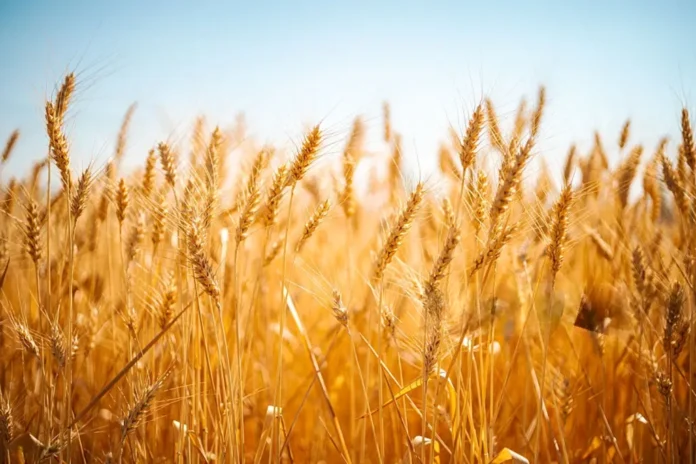
Industry analysts believe cereals and oilseed production could become particularly important over the coming decade. Algeria continues to import large volumes of wheat, corn and vegetable oils, creating opportunities for investors interested in projects designed to substitute imports with domestic production. Several large-scale farming initiatives launched in southern regions are expected to contribute significantly to this objective.
Looking ahead, agricultural investment is expected to accelerate further through 2030. Ongoing infrastructure projects, expanding irrigation networks and favorable demographic trends are likely to support sustained growth in food demand. Experts forecast that the modernization of agricultural supply chains and the development of agro-industrial activities could transform Algeria into a more competitive regional agricultural producer.
While challenges related to water management, logistics and financing remain, many observers believe the sector offers some of the country’s most attractive long-term opportunities. For investors, Algeria’s combination of vast agricultural land, growing domestic demand and government support programs is creating conditions that could drive substantial expansion in the years ahead.
As agricultural activity continues to spread across both traditional farming regions and newly developed desert areas, the sector is increasingly viewed as a strategic engine of economic growth. The success of current investment programs could play a decisive role in strengthening food security, creating jobs and reshaping Algeria’s agricultural landscape for years to come.