Arabfields, Maleeka Kassou, East, West & Central Africa Agriculture Correspondent — The United States is preparing a renewed push into West Africa’s agricultural markets as policymakers and industry groups seek to strengthen commercial ties with a region increasingly viewed as a strategic battleground for global trade.
The effort comes as Washington looks to expand exports of agricultural products while reinforcing its economic presence across Africa. Trade officials, agribusiness representatives and lawmakers have intensified discussions around improving market access, reducing barriers and encouraging deeper commercial partnerships with West African nations.
For many American exporters, the region represents a significant growth opportunity. West Africa’s population now exceeds 450 million people, with rising urbanization and changing consumption patterns driving demand for food imports, agricultural technology and farming inputs. Analysts estimate that regional food imports could surpass $80 billion annually within the next decade if current trends continue.
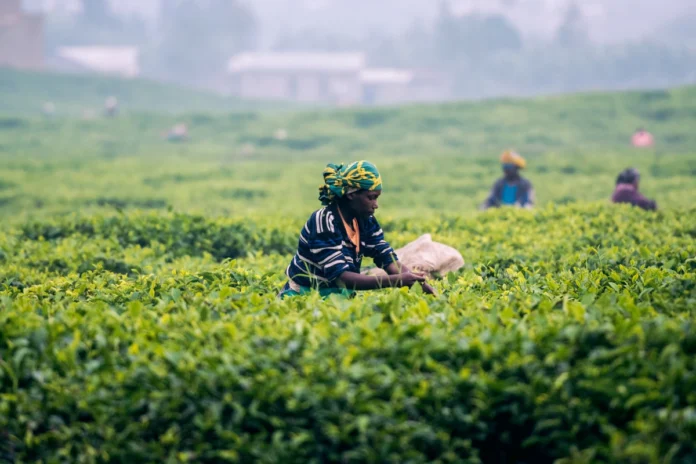
In farming communities across countries such as Nigeria, Ghana and Côte d’Ivoire, producers are closely watching developments. Some local traders believe stronger trade links could improve access to modern equipment, seeds and agricultural expertise. Others remain cautious, fearing increased competition from large-scale foreign suppliers.
“I welcome new partnerships if they help farmers become more productive,” said a grain trader in Lagos. “But local producers also need protection and investment so they can compete.”
The renewed American interest is unfolding against a backdrop of growing international competition. China has expanded its economic footprint throughout Africa in recent years through infrastructure projects, financing programs and trade agreements. US officials increasingly view agriculture as one area where Washington can strengthen its position while supporting economic growth across the continent.
Recent trade data highlights the importance of the relationship. Agricultural exports from sub-Saharan Africa to the United States have more than tripled over the past decade, while American agricultural shipments to African markets continue to grow, particularly in cereals, food ingredients and farming technologies. Agriculture remains a cornerstone of African economies, providing livelihoods for roughly 70 percent of the continent’s population.
The future of preferential trade arrangements is also playing a key role in discussions. Business leaders on both sides of the Atlantic argue that predictable market access is essential for encouraging long-term investment and supply chain development. Several industry organizations have called for expanded cooperation in agribusiness, logistics and food processing.
Economic forecasts suggest that demand for agricultural products in West Africa will continue rising through 2030 as population growth, urban expansion and changing diets reshape the region’s food systems. Market researchers expect imports of wheat, poultry products, animal feed and processed foods to register some of the strongest gains.
Experts believe the next few years could determine whether the United States succeeds in increasing its share of the region’s agricultural trade. If current initiatives lead to stronger commercial agreements and improved market access, American exports to West Africa could experience sustained growth while creating new opportunities for local agricultural businesses and consumers.
For farmers across the region, the outcome will be measured less by diplomatic announcements and more by practical results. Better access to technology, improved infrastructure and stronger value chains could ultimately prove more important than the geopolitical rivalry driving much of the renewed interest.