Arabfields, Meriem Senouci, Correspondent, Hanoï, Vietnam — Vietnam’s rice industry is strengthening its position in regional markets as demand from Southeast Asian buyers remains robust, despite changing supply conditions and evolving food security strategies across the region.
Recent developments in the rice market have drawn attention to Indonesia, one of Vietnam’s largest customers. After purchasing approximately 500,000 tonnes of rice from foreign suppliers, the Southeast Asian nation is now preparing to auction around one million bags of rice from its government reserves as part of efforts to manage domestic stocks and stabilize local markets. The move reflects the delicate balance many governments face between ensuring food security and controlling storage costs.
For Vietnamese exporters, regional demand continues to provide significant opportunities. Rice shipments have remained a key contributor to the country’s agricultural exports, supported by strong purchases from Indonesia, the Philippines and Malaysia. Industry observers note that Vietnam’s reputation for reliable supply and competitive quality has helped maintain its standing among major importing nations.
According to trade estimates available in 2026, Vietnam continues to rank among the world’s leading rice exporters, with annual shipments measured in millions of tonnes. Export revenues remain supported by demand from neighboring countries seeking to secure supplies amid weather uncertainties and population growth. At the same time, governments across Southeast Asia are paying closer attention to strategic food reserves, leading to periodic import tenders and stock management operations.
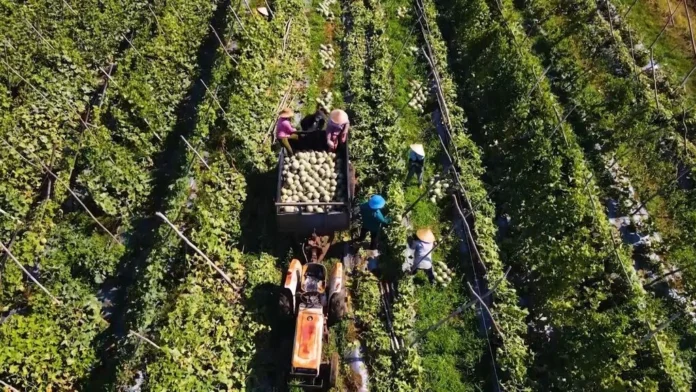
The impact of these market dynamics is felt far beyond government offices and trading floors. In the Mekong Delta, farmers are closely monitoring export demand and rice prices as they prepare new planting cycles. Nguyen Thanh Hai, a rice grower in An Giang Province, said stable regional demand has encouraged many producers to invest in better seeds and farming techniques.
“Buyers continue to look for Vietnamese rice, and that gives farmers more confidence when planning for future harvests,” he said.
Analysts believe the region’s dependence on rice imports will remain significant in the coming years. Population growth, climate-related challenges and limited agricultural land in some countries are expected to support continued demand for imported rice. As a result, Vietnam is likely to remain a preferred supplier for several Southeast Asian markets.
Looking ahead, experts expect governments to increasingly combine imports with reserve management programs similar to those currently being implemented in Indonesia. If current trends continue, Vietnam could further strengthen its market share by expanding high-quality rice production and improving logistics infrastructure. Continued investment in agricultural technology and sustainable farming practices may also help the country maintain its competitive edge as regional food security becomes an even greater priority.
For now, the latest developments highlight the strategic importance of rice in Southeast Asia, where trade flows, government reserves and farmer livelihoods remain closely interconnected.