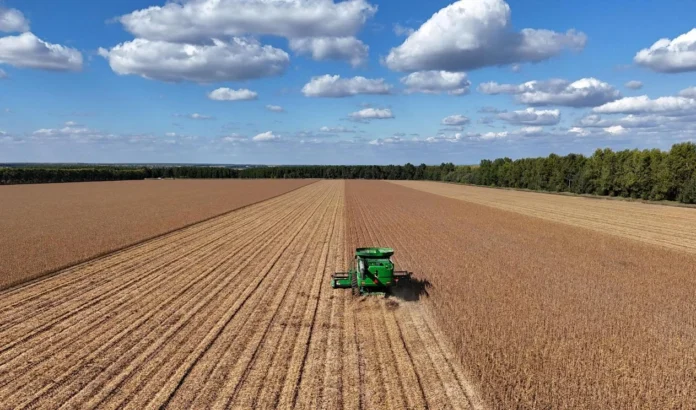
Arabfields, Sophia Daly, Financial Analyst specialized in Agriculture and Futures Markets — The global rice market is entering a period of adjustment in 2026 as production recovers in key exporting countries, trade flows strengthen and international prices stabilize following years of supply concerns and market volatility.
Rice remains the most important staple food for more than half of the world’s population, making developments in the sector closely watched by governments, traders and consumers alike. Global rice production is expected to exceed 540 million metric tons in 2026, supported by favorable weather conditions and improved yields across several major producing regions.
India continues to dominate the international rice trade, accounting for a significant share of global exports. Shipments from the country have increased following improved harvests and stronger export activity. Other major exporters, including Thailand, Vietnam and Pakistan, have also reported healthy production levels, helping to expand global supply and ease concerns about shortages.
International trade volumes are projected to reach record levels this year as importing nations increase purchases to replenish inventories and secure food supplies. Demand remains particularly strong across Africa, the Middle East and parts of Asia, where rice is a dietary staple and population growth continues to support consumption.
Farmers in major producing countries have generally benefited from favorable growing conditions during the current season. However, rising labor expenses, fertilizer costs and weather-related uncertainties remain important concerns for producers.
“We are seeing better harvests than in recent years, which is encouraging for farmers,” said Nguyen Tran, a rice grower in Vietnam’s Mekong Delta. “At the same time, producers must continue adapting to changing weather patterns and higher production costs.”
Global rice prices have moderated compared with previous peaks as larger harvests improve market availability. Analysts note that increased supply has reduced pressure on importing countries and contributed to greater stability in international markets. Nevertheless, weather disruptions linked to droughts and flooding remain potential risks that could affect future production.
The rice industry is also benefiting from technological advancements. Farmers are increasingly adopting improved seed varieties, modern irrigation systems and precision agriculture techniques designed to enhance productivity and reduce environmental impacts. These investments are helping many producing regions improve efficiency while meeting growing demand.
Trade data indicate that consumption continues to rise steadily. Expanding populations, urbanization and food security initiatives are supporting long-term demand growth across many developing economies. Rice remains one of the most affordable and widely available staple foods, reinforcing its strategic importance in global agriculture.
Looking ahead, market forecasts suggest that global rice production and trade will continue expanding through 2027. Industry analysts expect consumption growth to remain strong, particularly in Africa, where rising populations are driving increased import demand. Exporters are also expected to benefit from improving logistics conditions and stronger international trade activity.
Future price movements are likely to depend on weather developments and crop performance in major producing countries. However, current supply projections indicate that the market is moving toward a more balanced position, reducing the likelihood of severe shortages in the near term.
For consumers, the outlook points to stable availability and moderate price fluctuations. For producers and exporters, continued investment in productivity and climate resilience will be essential as the global rice market adapts to growing demand and evolving agricultural challenges.