Arabfields, Sophia Daly, Financial Analyst specialized in Agriculture and Futures Markets — The global cocoa market remained under close watch in late June as supply constraints continued to influence international trade. Traders reported active buying interest from chocolate manufacturers despite elevated prices, while exporters adjusted shipments in response to lower harvest volumes in several producing countries. Market participants indicated that demand has remained resilient even as buyers carefully managed procurement costs.
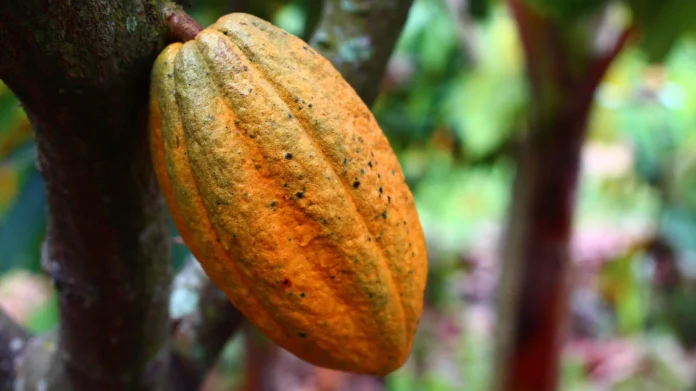
Cocoa continues to be one of the world’s most important agricultural commodities, with Côte d’Ivoire, Ghana, Ecuador, Nigeria and Cameroon accounting for the majority of global production. Import demand remained steady across Europe, North America and Asia, where chocolate manufacturers continued securing supplies through medium and long-term purchasing agreements.
Market quotations at the end of June stayed at historically high levels following reduced harvests linked to adverse weather conditions and crop disease. Exporters reported that available inventories remained limited, supporting firm prices across major international trading hubs. Shipping activity improved compared with earlier months, helping maintain regular deliveries despite the tighter supply environment.
According to 2026 market estimates, the global cocoa market is valued at approximately 19 billion dollars. International trade continues to expand despite production challenges, supported by stable consumer demand for chocolate, confectionery and cocoa-based food products. Premium cocoa and sustainably certified beans are also gaining market share as manufacturers respond to changing consumer preferences.
Producers have increased investments in plantation renewal, disease-resistant cocoa varieties and sustainable farming practices to improve productivity. Farmers interviewed during recent industry events said adapting to changing climate conditions and improving crop management remain essential for securing future harvests and maintaining export capacity.
Importers have diversified their sourcing strategies to reduce dependence on individual producing regions and improve supply security. Many processors have also strengthened long-term partnerships with growers to ensure more stable deliveries and better traceability throughout the supply chain.
Looking ahead, analysts expect the global cocoa market to remain supported by solid demand over the coming years. Continued investment in sustainable production, agricultural innovation and farm productivity is expected to gradually improve supply. However, climate risks, production costs and weather-related disruptions are likely to remain major factors influencing international prices and trade flows in the foreseeable future.