Arabfields, Maleeka Kassou, East, West & Central Africa Agriculture Correspondent — Nigeria is turning to Asian agricultural experience as it looks for practical ways to reduce the amount of food lost after harvest, a problem that is becoming harder to ignore as climate pressures, rising food costs and supply challenges weigh on households across the country.
The search for solutions comes at a time when Nigeria’s agricultural sector is under growing pressure to produce more food while making better use of what farmers already harvest. Recent Nigerian data show that post-harvest losses remain widespread. In the country’s agricultural sample survey, 11.5 percent of recorded agricultural cases reported losses during or after harvest, including transport and storage. The figure is not a national loss rate, but it highlights how frequently farmers face problems beyond the field.
The issue is particularly important for smallholders, who often have limited access to drying facilities, storage infrastructure, reliable transport and modern processing equipment. For a farmer who has spent months cultivating maize, rice, cassava or another crop, losing part of the harvest before it reaches the market can quickly turn a good season into a difficult one.
In rural communities, the consequences are often felt long before the figures appear in official reports. A farmer may harvest successfully but still watch part of the crop deteriorate because it cannot be dried quickly enough or stored safely. Traders and consumers eventually feel the effect through tighter supplies and higher prices.
Nigeria’s interest in Asian approaches reflects the experience of countries that have invested heavily in storage, processing, aggregation and agricultural technology. The goal is not simply to import equipment, but to understand how infrastructure, farmer organisation and market access can work together to keep more food in the supply chain.
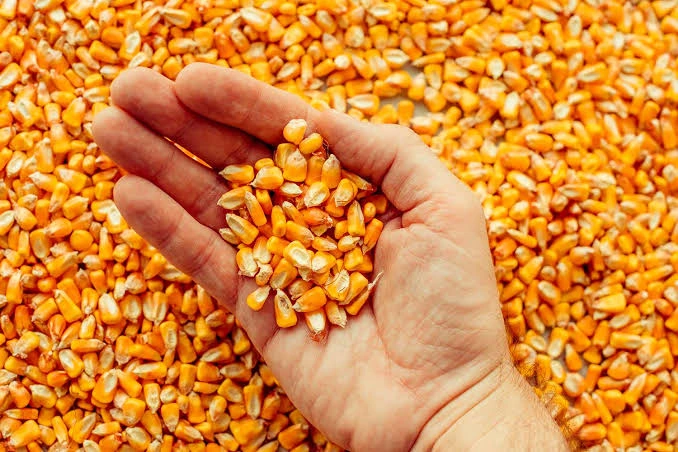
Research published in 2026 reinforces the urgency of that approach. A study using Nigerian household data found that losses were higher for grains such as sorghum, maize, millet and cowpea than for root crops including yam and cassava. It also found that around 40 percent of households in the study were food insecure, while higher temperatures and rainfall were associated with a greater probability of post-harvest losses.
Climate change is therefore likely to make the problem more complicated in the years ahead. Another 2026 analysis found that partial crop losses in Nigeria increased from roughly 6 percent of plots in 2018/19 to more than 20 percent in 2023/24. That trend suggests that improving storage and transport alone will not be enough. Farmers will increasingly need systems that can respond to heat, irregular rainfall and other climate shocks.
For Nigerian policymakers, the Asian experience could offer lessons in local crop processing, aggregation centres, improved drying systems and better links between farmers and markets. Digital tools could also become more important, particularly where mobile technology can help farmers access information, buyers and logistics services.
The outlook will depend on how quickly these ideas move from policy discussions into rural communities. If investment in storage, processing and extension services expands alongside climate-smart infrastructure, Nigeria could gradually reduce the amount of food lost between farms and consumers. The 2026 evidence suggests that such improvements could also support household food security by protecting both farmers’ incomes and the availability of food.
For farmers, however, success will ultimately be measured in simpler terms. More of what they harvest must survive the journey from the field to the market. That is where Nigeria’s search for solutions in Asia could become more than an international exchange, it could become part of a broader effort to make every harvest count.