Arabfields, Said Ali, Analyst & Specialist in Agricultural Policy and Economic Innovations — Concerns over the global cocoa supply are growing as weather disruptions linked to the El Niño climate pattern continue to affect major producing regions in West Africa. Traders, manufacturers and farmers are closely monitoring crop conditions as uncertainty over future harvests keeps international markets on edge.
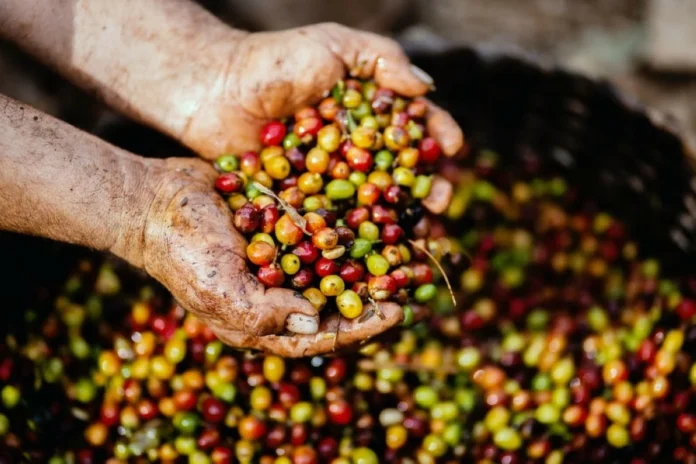
Across cocoa-growing communities in Côte d’Ivoire and Ghana, many farmers are reporting irregular rainfall and unusually high temperatures. These conditions have weakened cocoa trees, reduced yields and made farm management more difficult. For families that rely on cocoa as their primary source of income, each growing season has become increasingly unpredictable.
The tightening supply has continued to support global cocoa prices. In 2026, worldwide cocoa production is estimated at just over 4.8 million metric tons, while global demand is expected to exceed 5 million metric tons. Market analysts believe the industry could experience another supply deficit, although output in some producing areas has shown modest signs of recovery compared with previous seasons.
Chocolate manufacturers are also facing higher raw material costs, prompting gradual price increases across a range of consumer products. Many companies are expanding long term partnerships with growers and investing in sustainability initiatives designed to improve farm productivity and strengthen resilience against increasingly volatile weather conditions.
In farming communities, the impact has been mixed. Higher cocoa prices have created opportunities for stronger earnings, but lower harvest volumes have limited the financial gains for many producers. Local cooperatives also report that production costs, including crop protection and plantation maintenance, continue to rise, placing additional pressure on smallholder farmers.
Looking ahead, market conditions will depend largely on weather developments over the coming months. If rainfall patterns improve and growing conditions stabilize, global cocoa production could gradually recover during the next harvest cycles. However, if extreme weather persists, supply constraints are likely to remain, supporting elevated cocoa prices and keeping the market volatile through the remainder of the decade.