Arabfields, Farah Benali, Economic Correspondent, China — Rural communities across China’s Guizhou Province are continuing to benefit from the remarkable success of the Village Super League, a grassroots football competition that has evolved into a powerful engine for agricultural sales, tourism, and local entrepreneurship.
What began as a community sporting event has become a major economic driver. In 2026, the league features 137 village teams, attracting growing numbers of visitors from across China who travel to Rongjiang County not only to watch football but also to experience local traditions, cuisine, and agricultural products.
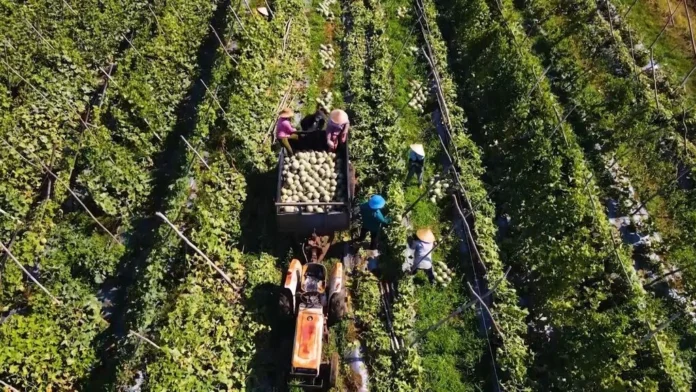
Around the stadium, farmers and small business owners have transformed matchdays into commercial opportunities. Fresh produce, regional specialties, handcrafted goods, and traditional snacks are sold directly to spectators, allowing producers to reach consumers without relying on conventional distribution channels. Many vendors report that football weekends now generate some of their strongest sales periods of the year.
Local resident Li Qiang, who grows peppers and rice, said the tournament has changed the way he does business. Instead of depending entirely on wholesale buyers, he now sells directly to visitors and online customers introduced through livestream broadcasts. He believes the increased visibility has created lasting demand for products from the region.
Tourism has also expanded significantly. Hotels, restaurants, transport operators, and family-run guesthouses continue to benefit from the steady flow of visitors. Cultural performances featuring ethnic Miao and Dong traditions remain an important part of the matchday experience, giving tourists a deeper connection to local heritage while creating additional income opportunities for performers and artisans.
The competition’s digital presence has strengthened its economic impact. Livestreams and social media promotions allow millions of viewers to discover local products in real time, encouraging online purchases that continue well after matches have ended. Local officials estimate that digital commerce linked to the league has become an increasingly valuable source of income for rural households.
The tournament’s expansion reflects its growing popularity. After starting with only a handful of village teams, participation has increased steadily over recent seasons, while visitor numbers and business activity have continued to rise. New hospitality businesses, agricultural brands, and service companies have emerged alongside the competition, helping diversify the local economy.
Analysts believe the model could continue generating broader economic benefits over the coming years. As investments in tourism infrastructure, digital commerce, and rural branding continue, the Village Super League is expected to attract even more domestic and international visitors. Agricultural producers are also likely to gain wider market access through livestreaming and direct-to-consumer sales, strengthening incomes while encouraging younger generations to remain in rural communities.
The success of Guizhou’s Village Super League demonstrates how sport, culture, and agriculture can work together to support sustainable rural development. Rather than serving only as a football tournament, the competition has become a symbol of community participation, economic innovation, and renewed confidence in China’s countryside.