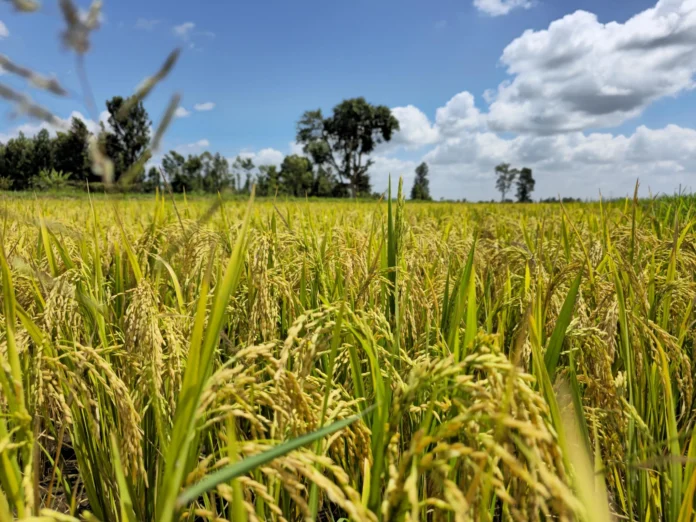
Arabfields, Farah Benali, Economic Correspondent, China — China is stepping up its investment in artificial intelligence to modernize agriculture, expanding the use of smart machinery, automated systems and advanced breeding technologies as part of a broader effort to strengthen food security and improve farm productivity. The latest initiatives reflect the country’s long term strategy to make farming more efficient while addressing labor shortages and environmental challenges.
Government officials say artificial intelligence is becoming an essential part of agricultural development, with digital platforms helping farmers make faster and more accurate decisions on irrigation, fertilization and pest control. AI powered equipment is also being introduced to reduce manual labor and improve crop management across major farming regions.
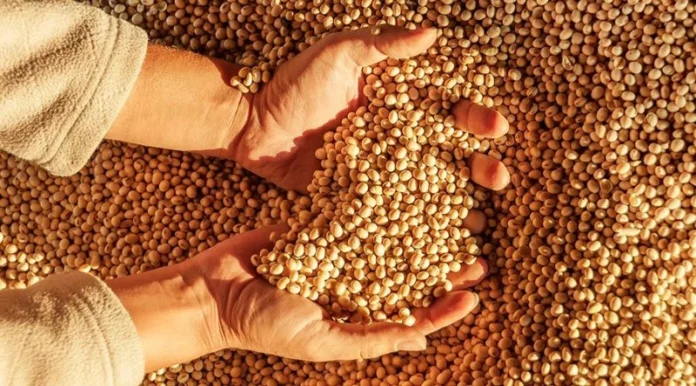
For many farmers, the changes are already making a noticeable difference. Grain producers using intelligent monitoring systems report that real time data allows them to respond more quickly to changing weather conditions and crop health. Agricultural technicians working alongside local cooperatives say younger farmers are showing greater interest in digital tools that simplify daily operations and improve yields.
In 2026, China remains one of the world’s largest adopters of agricultural technology, with smart farming solutions expanding rapidly across key grain producing provinces. Industry estimates indicate that the country’s precision agriculture market continues to grow at a double digit rate, while the use of drones, AI enabled sensors and automated machinery has increased significantly compared with previous years. National food production has remained stable despite climate related pressures, supported by greater use of digital technologies.
Researchers believe artificial intelligence will play a larger role in developing climate resilient crops and improving resource efficiency. New breeding techniques combined with predictive analytics are expected to help farmers reduce water consumption, optimize fertilizer use and minimize production losses caused by pests and extreme weather.
Looking ahead, experts expect China’s investment in AI driven agriculture to continue accelerating as the country seeks to balance rising food demand with sustainable production. Continued expansion of intelligent farming systems, rural digital infrastructure and agricultural innovation is likely to improve productivity over the next several years while strengthening the resilience of the country’s food supply chain.