Arabfields, Habiba Masmoudi, Economic Correspondent, Tunisia — Tunisia is facing a significant shift in its climate conditions, with newly updated government data highlighting the growing pressure of climate change on the country’s environment, agriculture and rural communities.
The Ministry of Agriculture, Water Resources and Fisheries has unveiled an updated bioclimatic map, revealing a substantial expansion of arid areas and a sharp decline in humid zones. The findings point to a changing environmental landscape that could have far-reaching consequences for agricultural production and water security.
According to figures presented during the announcement, the proportion of arid areas in Tunisia has increased by 40%, while the proportion of humid areas has fallen by 90%. The figures underline the scale of the country’s changing climate conditions and raise fresh concerns about the long-term sustainability of farming activities.
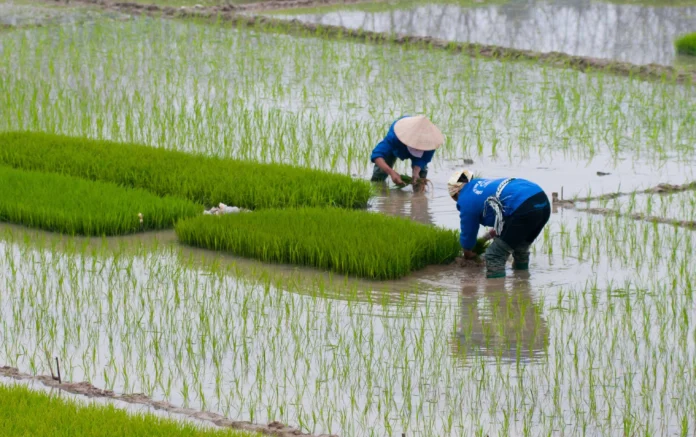
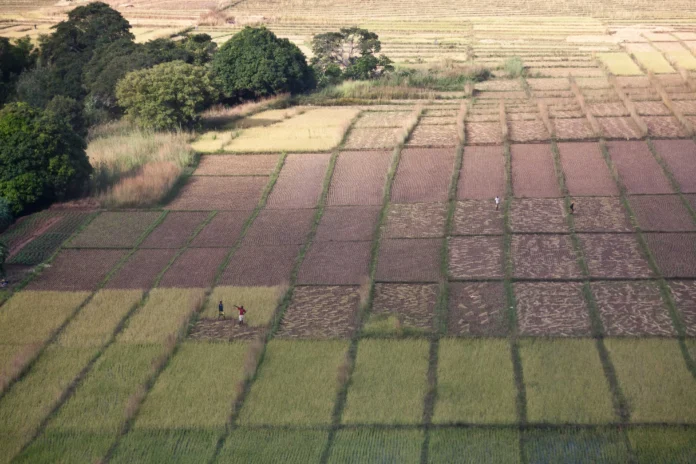
For farmers, particularly those operating in rain-dependent regions, these changes are more than environmental indicators. Unpredictable rainfall, warmer temperatures and increasingly dry conditions can make planting decisions more difficult, threaten crop yields and increase pressure on household incomes.
Small agricultural producers are particularly exposed because many have limited access to irrigation infrastructure and financial resources to absorb successive poor harvests. As water availability becomes less predictable, the cost of maintaining agricultural production could also rise.
The updated map, presented alongside a geographical information platform, is expected to provide policymakers and researchers with more detailed information about the country’s bioclimatic conditions. Such data could help authorities identify vulnerable areas, improve water management and develop agricultural strategies better suited to changing environmental realities.
The outlook for the coming decades remains challenging. Projections for 2040 indicate that arid zones will continue to expand, while humid areas are expected to experience further losses. Winters are also forecast to become warmer, reinforcing the broader trend of rising temperatures across the country.
These projections suggest that Tunisia may face increasing pressure to adapt its agricultural model. Crops that depend heavily on regular rainfall could become more difficult to sustain in certain regions, while demand for efficient irrigation systems, drought-resistant varieties and improved water storage is likely to grow.
For rural communities, the stakes are considerable. Agriculture remains an important source of employment and income, meaning that prolonged environmental changes could affect not only food production but also livelihoods and regional economic stability.
The latest findings provide another indication that climate adaptation is becoming an urgent policy priority for Tunisia. How effectively the country responds over the next decade could play a decisive role in determining the resilience of its agricultural sector and the security of its water resources by 2040.