Arabfields, Habiba Masmoudi, Economic Correspondent, Tunisia — Tunisia has secured $147 million in financing from the Arab Fund for Economic and Social Development (AFESD) to modernise road infrastructure and support agricultural development, in a move aimed at improving connectivity and stimulating economic activity in underserved regions.
The two financing agreements, signed in Tunis on October 27, allocate $98 million to road infrastructure and $49 million to agricultural development. The investment forms part of the government’s broader efforts to reduce regional inequalities and improve economic opportunities outside the country’s main urban centres.
One of the key projects is the first phase of the Boussalem-Fernana road development in northwestern Tunisia. The planned 27-kilometre route is expected to improve connections between communities and facilitate the movement of people and goods across the region.
The programme also includes improvements to 67 rural roads covering a combined distance of 253 kilometres across 21 governorates. These roads are expected to provide better access to markets, public services and agricultural production areas.
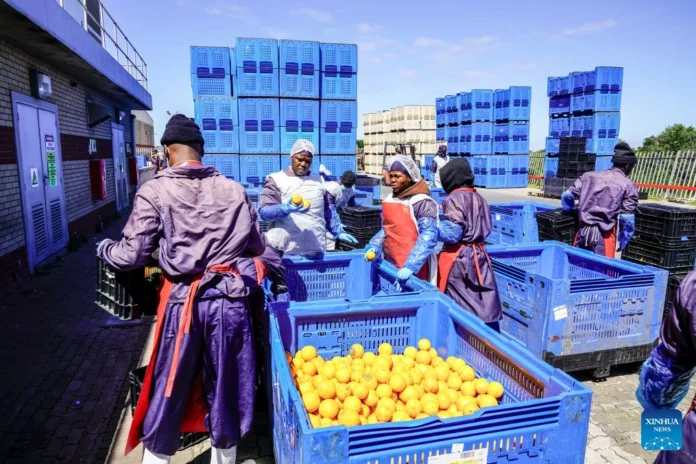
For farmers in Tunisia’s interior regions, poor road conditions have long increased transportation costs and complicated access to commercial markets. During harvesting periods, delays in transporting fresh produce can affect product quality, reduce selling opportunities and put additional pressure on household incomes.
Improved rural connectivity could help address some of these challenges by allowing agricultural goods to reach collection centres, wholesale markets and processing facilities more efficiently.
The agricultural component, valued at $49 million, is particularly important as Tunisia seeks to strengthen rural production and improve the economic contribution of its farming communities. Although detailed information on the specific beneficiaries and agricultural activities has not yet been released, the funding is expected to complement wider infrastructure improvements.
Economy and Planning Minister Samir Abdelhafidh said the projects would contribute to improving living conditions in rural and inland areas while supporting agricultural activity and strengthening infrastructure in the northwest.
AFESD Chairman Fawzi Youssef Al-Hanif also highlighted the importance of connecting isolated communities with urban centres, describing the infrastructure programme as an important contribution to economic and social development.
The initiative comes as Tunisia continues to face pressure to create employment, improve regional investment conditions and strengthen its productive sectors. Agricultural communities in particular remain dependent on reliable transport infrastructure to move their products and access essential services.
Better roads could also encourage private investment in agricultural storage, food processing, logistics and distribution. Businesses operating outside major cities may find it easier to establish commercial activities when transportation becomes more predictable and access to suppliers improves.
The programme is expected to be implemented over 36 months, providing a three-year framework for construction and development activities. Its success will depend on the speed of project implementation, the quality of infrastructure delivered and the ability of local authorities to ensure adequate maintenance.
Looking ahead, the investment could generate longer-term economic benefits if improved connectivity translates into lower transport costs, stronger agricultural market access and increased private-sector participation. The 253 kilometres of rural roads planned across 21 governorates offer an opportunity to improve access for communities that have traditionally faced geographical and economic disadvantages.
However, infrastructure spending alone will not resolve the structural challenges facing Tunisia’s agricultural sector. Water scarcity, climate pressures, limited financing and rising production costs remain significant obstacles for farmers. Complementary investment in irrigation, storage facilities and modern agricultural techniques will therefore be important to maximise the benefits of the programme.
Over the next three years, the projects could help strengthen the relationship between rural production centres and domestic markets while creating opportunities for local construction companies, transport operators and agricultural businesses.
For communities in Tunisia’s interior, the expected impact goes beyond new roads. More reliable connections could mean easier access to schools and healthcare, improved mobility for workers and better opportunities for farmers to sell their production.
The government’s challenge will now be to turn the $147 million financing commitment into completed infrastructure and measurable improvements in rural living standards. The results will ultimately determine whether the programme can deliver lasting economic benefits and help narrow the development gap between Tunisia’s coastal cities and its inland regions.