Arabfields, Naïla Mokhtari, Correspondent, São Paulo, Brasil — Brazil’s agricultural sector is facing mounting financial pressure as rising borrowing costs, weaker commodity prices and unpredictable weather threaten the profitability of farms that have helped establish the country as one of the world’s leading food exporters.
Despite strong international demand for Brazilian agricultural products, an increasing number of producers are struggling to repay loans, finance new planting and maintain operations. The crisis is raising concerns about the country’s ability to sustain its agricultural expansion while competing with major suppliers in global markets, particularly the United States.
Data released in 2026 highlight the scale of the problem. Troubled rural credit in Brazil more than quadrupled over two years, reaching 171.2 billion reais, equivalent to approximately $33 billion, at the beginning of the year. The figure represented 19.6% of outstanding agricultural loans, compared with 5.5% two years earlier.
The pressure is also visible in the property market. Approximately 14,219 rural properties were put up for auction in 2025, a 30% increase from the previous year. Meanwhile, agricultural bankruptcy filings rose by 56% in 2025, following a more than doubling in 2024.
For many farming families, the financial difficulties have become deeply personal. In southern Brazil, particularly Rio Grande do Sul, producers are still dealing with the consequences of devastating floods in 2024. Some have lost productive land, equipment and harvests while continuing to meet loan repayments.
One farmer in the region described the difficulty of maintaining a family operation after extreme weather damaged crops and creditors seized more than half of the property. Such experiences illustrate how climate-related losses can quickly become long-term financial problems for agricultural communities.
High interest rates have added to the pressure. Brazil’s benchmark borrowing rate reached 15% in 2026, significantly increasing the cost of financing agricultural operations. Producers who borrowed heavily during previous periods of expansion are now finding it increasingly difficult to refinance existing obligations.
Rising fertilizer prices have created another challenge. Brazil depends heavily on imported agricultural inputs, leaving its farmers exposed to international supply disruptions and higher transportation costs. The situation has weakened one of the country’s traditional competitive advantages, its ability to supply large volumes of agricultural commodities at relatively low production costs.
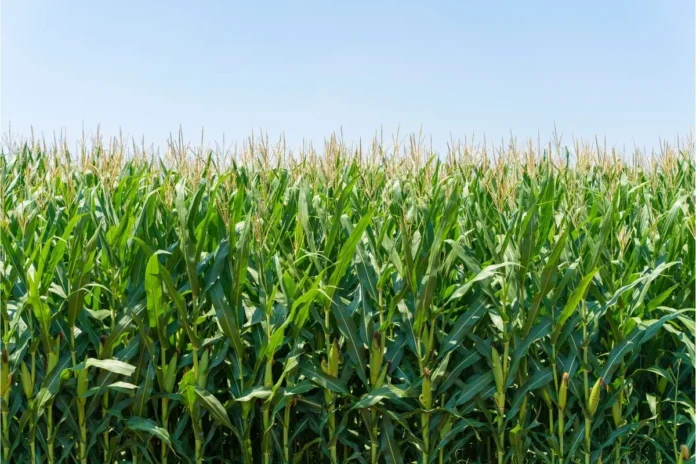
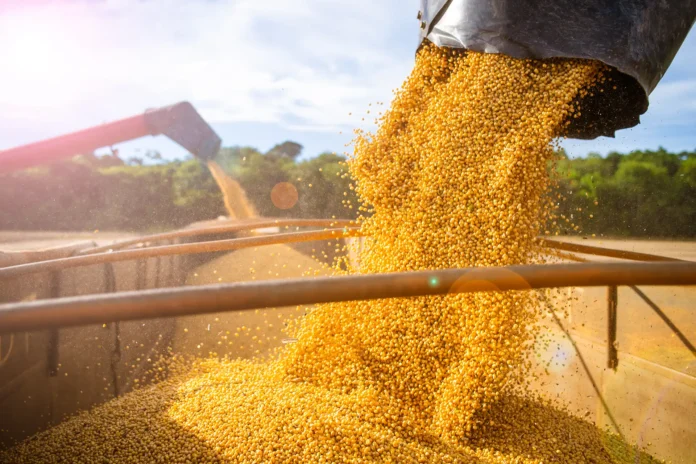
The consequences are particularly important for soybean producers. China remains Brazil’s most important agricultural export destination, with Brazilian agricultural sales to the Asian country reaching $55.22 billion in 2025. Soybeans accounted for approximately $34.5 billion, demonstrating the importance of Chinese demand to Brazil’s agricultural economy.
However, greater dependence on international buyers also exposes producers to changes in trade policy, import regulations and competition from other suppliers.
China’s decision to strengthen phytosanitary inspections on Brazilian soybean shipments in March 2026 created additional complications for exporters. Longer certification procedures and shipping delays increased costs and raised concerns about the reliability of deliveries during the peak export season.
For international buyers, these developments could encourage greater diversification of supply. The United States may benefit from temporary disruptions in Brazilian shipments, although analysts expect Brazil to remain a major supplier because of its production capacity and established commercial relationships with Chinese importers.
The financial situation is also changing investment decisions across the farming industry. Producers are postponing machinery purchases, reconsidering land expansion and reducing spending on certain agricultural inputs. For smaller farms, access to affordable financing is becoming just as important as access to international markets.
Nevertheless, Brazil’s agricultural outlook is not entirely negative. Soybean planting for the 2026/27 season had reached 33% by October 21, ahead of the 29% recorded at the same point a year earlier. This suggests that production activity remains relatively resilient despite the tightening credit environment.
Looking ahead, Brazil’s agricultural sector is likely to experience a period of slower investment and more cautious expansion. If borrowing costs remain elevated and international fertilizer prices continue to pressure production expenses, heavily indebted farmers could face further difficulties throughout the next planting and harvesting cycles.
The outlook will also depend on weather conditions. Excessive rainfall in southern agricultural regions or drought in other producing areas could reduce yields and weaken farmers’ ability to service existing debts. Conversely, favourable weather and stronger commodity prices would provide some relief.
Over the next two to three years, the ability of Brazilian producers to restore financial stability may become a decisive factor in the country’s position within global agricultural trade. Greater investment in domestic fertilizer production, improved agricultural risk management and more accessible financing could help reduce the sector’s vulnerability.
For now, Brazil faces a difficult contradiction. Its farmers remain essential to global food supplies, and international demand for their products remains substantial. Yet behind the country’s export success, thousands of producers are struggling with debt, rising costs and increasingly unpredictable conditions.
The challenge is no longer simply how much Brazil can produce, but whether its farmers can afford to keep producing at the scale required to maintain the country’s position in the global food market.