Arabfields, Maleeka Kassou, East, West & Central Africa Agriculture Correspondent — Ghana is stepping up efforts to modernise agriculture, with a new $9 million initiative aimed at strengthening agricultural education, practical training and the skills needed to build a more productive food sector.
The initiative, known as GAFET, is expected to mobilise 100 million Ghanaian cedis by December 2028. Its focus comes at a time when the government is placing agriculture at the centre of its economic strategy, seeking to increase domestic food production, reduce imports and create jobs for a growing population.
The investment is relatively small compared with Ghana’s wider agricultural programme, but its emphasis on people could prove important. Farmers do not need only seeds, fertiliser and machinery. They also need technicians who understand modern equipment, extension officers who can provide useful advice and young workers who can turn agricultural production into viable businesses.
For a farmer in a rural community, the difference can be practical. Better training can mean knowing when to plant, how to manage fertiliser, how to reduce post-harvest losses or how to use machinery without having to rely on expensive outside contractors. Those improvements can gradually raise productivity while making farming more attractive to younger Ghanaians.
The GAFET initiative arrives alongside a much larger national push. Ghana’s 2026 agricultural transformation programme is backed by an estimated $3.5 billion investment plan over five years, with about $2.7 billion already committed by government, development partners and the private sector. The broader programme is expected to create more than 2.6 million jobs and benefit more than three million people.
Government spending is already substantial. By June 2026, about 85 percent of the approved budget for the Ministry of Food and Agriculture had been released, amounting to 1.677 billion cedis. Part of that funding is going toward mechanisation, irrigation, fertiliser, certified seeds and agricultural value chains.
The scale of the machinery programme illustrates the direction of travel. Ghana plans to establish 50 Farmer Service Centres supported by thousands of pieces of agricultural equipment, including tractors, mini tractors, ploughs, seed drills, sprayers and combine harvesters. The aim is to give farmers greater access to machinery without requiring every individual producer to purchase expensive equipment.
That could have a particularly strong effect on small and medium-sized farms. When machinery is available locally, farmers can prepare land more quickly, plant within narrower seasonal windows and potentially cultivate larger areas. For young people considering whether to remain in rural communities, access to modern equipment and better commercial opportunities could also make agriculture appear less like subsistence work and more like a business.
Ghana’s food import bill gives the transformation an additional sense of urgency. The government estimates that the country spends between $2 billion and $3 billion each year importing food products that could potentially be produced competitively at home.
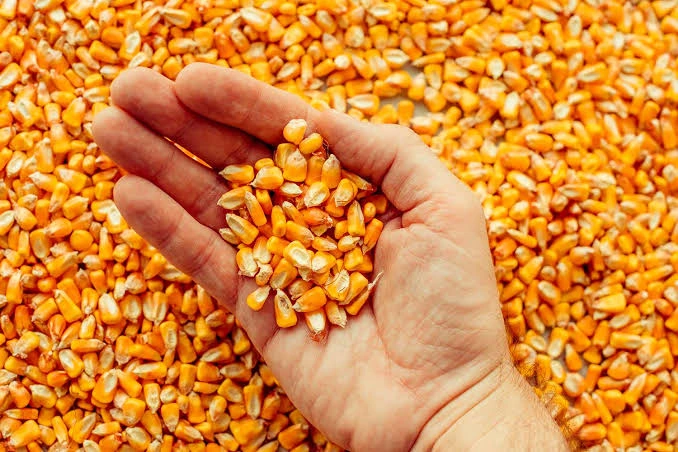
Rice is one of the sectors receiving particular attention. Under the Feed Ghana programme, the government plans to increase expected rice output from about 1.77 million tonnes in the immediate phase to more than 3 million tonnes by 2028. Maize output is also projected to rise from roughly 3.52 million tonnes to nearly 5.9 million tonnes over the same period.
Those targets point to where the GAFET investment could have its greatest long-term value. Training and agricultural education can help ensure that larger quantities of inputs and machinery translate into higher yields rather than simply higher production costs.
The government is also expanding irrigation and climate-smart farming. In 2026, 200 solar-powered boreholes are planned for vegetable production in several regions, supporting cultivation beyond the traditional rainy season. Such projects could reduce seasonal shortages and help farmers maintain more predictable supplies of tomatoes, onions and peppers.
The next two years will be especially important. If the combination of training, mechanisation, irrigation and improved inputs begins to raise yields as planned, Ghana could enter the latter part of the decade with a stronger domestic food base and a larger pool of skilled agricultural workers.
The longer-term projection is more ambitious. Ghana’s AgriConnect Compact aims to help create more than 2.6 million jobs by 2035 while shifting agriculture toward commercial production, processing and stronger market links. If the country can maintain investment and attract private capital, agricultural education could become an important bridge between public spending and those employment targets.
For farmers, however, the success of the programme will ultimately be measured in familiar terms. A better harvest, lower production costs, reliable access to machinery and a buyer waiting at the end of the season matter more than the size of a government announcement.
Ghana now has an opportunity to connect those everyday improvements with a much broader economic transformation. The $9 million GAFET initiative alone will not change the country’s agricultural sector, but combined with billions of dollars in wider investment, it could help provide the skills and knowledge needed to make that transformation last.
If the current investment trajectory continues, Ghana’s agriculture could become increasingly mechanised, commercially oriented and capable of supplying more of the food consumed at home. The bigger prize would be an agricultural economy that creates jobs not only on farms, but also in processing, transport, equipment maintenance, storage and food manufacturing.
That would turn the country’s agricultural transformation from a production programme into something much larger, a source of income and opportunity for the next generation of Ghanaian farmers and workers.