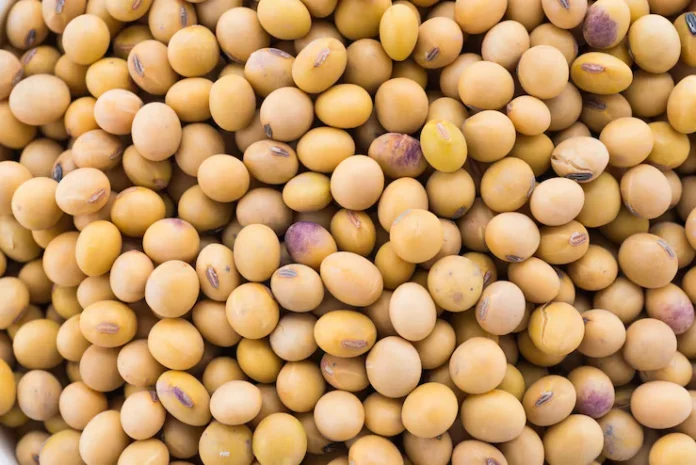
Arabfields, Farah Benali, Economic Correspondent, China — China’s grain industry is expected to generate more than 4.5 trillion yuan ($666.8 billion) in annual industrial output during the country’s 15th Five-Year Plan, as authorities push to improve food quality, nutrition and consumer health.
Liu Huanxin, head of the National Food and Strategic Reserves Administration, announced the projection at a press conference on Monday, outlining the government’s expectations for the sector between 2026 and 2030.
The forecast highlights the growing importance of the grain industry in China’s food economy, where changing consumer preferences are driving demand for products that offer higher nutritional value and improved quality.
For workers at grain storage facilities, including those operated by Sinograin, the country’s grain reserves system remains central to maintaining supplies and supporting food security. Storage operations and grain processing are expected to remain important as China seeks to strengthen its food supply chain.
The projected annual output of more than 4.5 trillion yuan represents a significant economic target for the sector. Based on the government’s forecast, the industry could sustain an average annual output above that threshold throughout the five-year planning period, provided investment, production capacity and consumer demand develop as expected.
The focus on healthier and more nutritious food products could also encourage grain producers and processors to adapt their operations. Companies may face growing pressure to improve processing standards, develop higher-value products and respond to consumers seeking greater variety in their diets.
For Chinese households, the policy direction could translate into a wider range of grain-based foods and greater emphasis on nutritional quality. However, the extent to which these ambitions affect prices, product availability and household spending will depend on market conditions and the implementation of government measures.
The announcement comes as China prepares to advance its economic priorities under the new five-year plan. With grain production and processing positioned as key components of the food system, the industry’s performance through 2030 will depend on how effectively authorities and businesses combine food security objectives with changing consumer needs.