Arabfields, Naïla Mokhtari, Correspondent, São Paulo, Brasil — Egg producers in Sao Paulo are entering October under renewed financial pressure as the purchasing power of poultry farmers fell for a third consecutive month, according to data from Brazil’s Center for Advanced Studies on Applied Economics, Cepea.
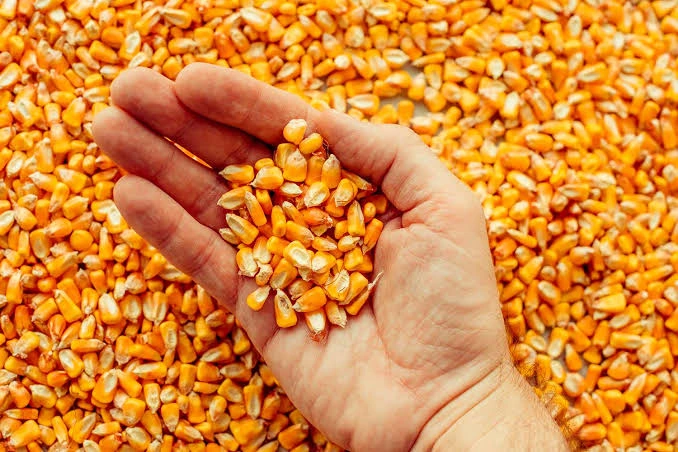
The decline reflects a difficult combination for producers, with egg prices under pressure while the cost of key feed ingredients, particularly corn and soybean meal, continues to weigh on margins. Cepea data show that the producer’s purchasing power against both commodities reached its lowest real level since 2022 during the third quarter of 2026.
The pressure has become visible in daily trading. On Oct. 1, a box containing 30 dozen white eggs was priced at 124.07 reais in Bastos, one of Sao Paulo’s main egg-producing regions, while the average in Greater Sao Paulo stood at 133.11 reais. Red eggs were quoted at 137.51 reais in Bastos and 144.04 reais in Greater Sao Paulo.
For small and medium-sized producers, the numbers translate into a tighter operating margin. Feed represents a significant share of the cost of keeping laying hens, meaning that movements in corn and soybean meal prices can quickly affect the amount of money left after sales.
The deterioration became particularly evident during the third quarter. Compared with the second quarter, higher production costs combined with weaker egg prices reduced the amount of feed that producers could purchase with their revenue. The relationship with soybean meal recorded the sharpest deterioration.
A producer in Sao Paulo now faces a market in which recovering egg prices would be important to offset feed expenses. But if egg prices remain below the levels seen at the beginning of September while grain costs stay elevated, purchasing power could remain under pressure through October.
The next few weeks will therefore be closely watched by producers and traders. If demand strengthens and egg prices recover, margins could begin to stabilize. If prices remain weak while corn and soybean meal continue to absorb a larger share of revenue, the financial squeeze could extend into the final months of 2026.
For consumers, the adjustment may be less immediate, but prolonged pressure on producers could eventually influence supply decisions and pricing further along the food chain. For farmers, however, the issue is already more direct: every movement in the price of an egg or a sack of feed can make a difference to the month’s accounts.