Arabfields, Meriem Senouci, Correspondent, Hanoï, Vietnam — Vietnam and China are seeking to strengthen their political and economic partnership as Vietnamese National Assembly President Tran Thanh Man begins an official visit to China, with both countries looking to turn high-level agreements into practical benefits for businesses and communities.
The visit, scheduled for October 11 to 15, includes the second session of the Cooperation Committee between Vietnam’s National Assembly and China’s National People’s Congress. The meeting is expected to reinforce parliamentary dialogue and improve coordination on trade, investment, infrastructure and emerging industries.
The diplomatic engagement comes at a time of expanding commercial ties. Bilateral trade reached $216.1 billion in the first eight months of 2026, representing a 35.2% increase compared with the same period a year earlier. China remains Vietnam’s largest trading partner, while Vietnam continues to serve as an important manufacturing and export base within regional supply chains.
For companies operating across the border, stronger parliamentary cooperation could help address regulatory obstacles, improve customs procedures and provide a more predictable environment for investment. These issues are particularly relevant to manufacturers, agricultural exporters and logistics operators whose businesses depend on the smooth movement of goods between the two economies.
The latest visit also follows Vietnamese President To Lam’s state visit to China in April, during which the two countries signed 32 cooperation documents covering a range of sectors. The agreements reflected a broader effort to deepen their comprehensive strategic cooperative partnership and advance a shared vision for long-term bilateral relations.
Tran’s meetings are expected to focus on implementing those commitments through stronger institutional coordination. Lawmakers from both countries can play a role in reviewing legislation, improving investment protections and facilitating cooperation in digital technology, renewable energy, agriculture and industrial production.
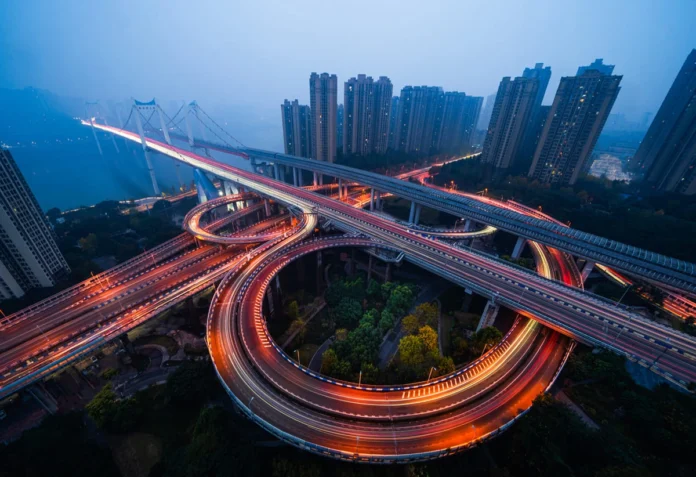
Beyond government offices and corporate boardrooms, the relationship has implications for workers, farmers and small businesses. Improved border infrastructure and more efficient customs clearance could reduce delays for exporters, while closer agricultural cooperation could open additional opportunities for producers seeking access to regional markets. The extent of these benefits, however, will depend on how quickly policy commitments translate into operational changes.
The two countries are also expected to maintain dialogue on regional security and international affairs. Their economic interdependence provides incentives for continued engagement, although differences over maritime issues and other regional questions remain important challenges for the relationship.
Looking ahead, the strong trade performance recorded in the first eight months of 2026 provides a positive basis for further expansion. If the current pace of growth continues, bilateral trade could approach $324 billion for the full year, based on a simple annualised calculation. This is an indicative projection rather than an official forecast, and actual results will depend on demand, prices, supply chains and trade conditions in the coming months.
The more immediate test will be whether the visit produces measurable progress on existing agreements. For Hanoi and Beijing, sustained parliamentary dialogue could help turn political commitments into more effective commercial cooperation, while giving businesses greater confidence to plan investments over the longer term.