Arabfields, Maleeka Kassou, East, West and Central Africa Agriculture Correspondent — Togo is looking to China for agricultural technologies that could improve crop yields, reduce production costs and strengthen food security, as President of the Council Faure Essozimna Gnassingbé seeks to turn bilateral cooperation into practical gains for farmers.
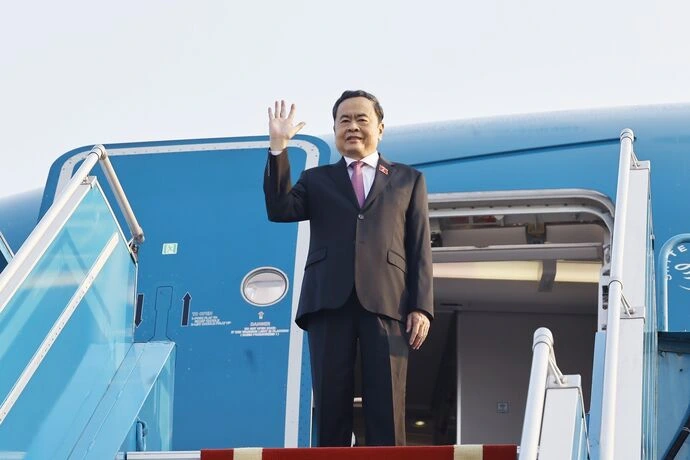
Gnassingbé began an official visit to China on October 9, travelling first to Shaanxi province, where he visited the Yangling Agricultural High-Tech Industries Demonstration Zone. The centre showcases technologies including artificial intelligence, robotics, digital crop monitoring and precision irrigation, offering a glimpse of how innovation could reshape farming practices in Togo.
For small-scale farmers, the challenge is straightforward. Better seeds and more efficient irrigation can help improve harvests, but access to machinery, financing and technical support often determines whether new methods can be adopted. Togo’s interest in Chinese expertise reflects a wider effort to modernise production while making farming more resilient to climate pressures.
Agriculture remains central to the country’s economy and livelihoods. It employs about 70% of Togo’s active population and contributes more than 20% of gross domestic product, according to figures published by the country’s agriculture ministry. Improving productivity could therefore have implications well beyond the countryside, including food prices, rural incomes and employment.
The government has already set out a longer-term modernisation agenda through its Agricultural Modernisation Programme, known as ProMAT, covering 2025 to 2034. The programme aims to expand mechanisation, improve access to markets and financing, and strengthen the sector’s ability to withstand climate-related shocks. In June 2025, the World Bank approved $300 million in financing to support the initiative.
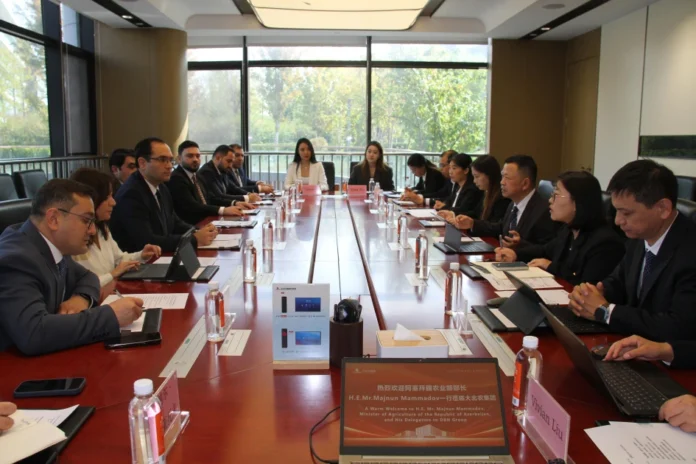
The visit also produced a memorandum of understanding between Shaanxi province and Togo’s Kara region. The agreement covers agriculture, energy, environmental protection and natural resource management, opening the door to more direct cooperation between regional authorities.
The move comes as economic ties between Togo and China continue to expand. Bilateral trade was estimated at $5.43 billion in 2025, an increase of 55% from the previous year, according to figures cited by Togolese media. In April 2026, China also delivered 2,525 tonnes of rice to Togo as part of an emergency food assistance programme, underlining the agricultural dimension of the relationship.
For Togo, the next step is to ensure that cooperation delivers lasting results on the ground. Chinese technologies developed for different climates and farming systems will need to be adapted to local crops, water availability and the financial capacity of producers. Training, maintenance services and affordable equipment will be just as important as the technology itself.
If the new partnerships lead to practical investment and wider access to modern farming methods, Togo could make gradual productivity gains over the coming years. Improved irrigation, better agricultural inputs and more efficient processing could also reduce post-harvest losses and strengthen domestic food supplies. However, the scale of those benefits will depend on project funding, implementation and adoption by farmers.
Gnassingbé is due to continue his visit in other Chinese provinces before travelling to Beijing for talks with senior Chinese leaders. The discussions are expected to explore further opportunities under Togo’s development priorities.
The measure of success will ultimately be whether the agreements translate into higher farm incomes, more reliable harvests and improved food security, rather than remaining diplomatic commitments.