Arabfields, Naïla Mokhtari, Correspondent, São Paulo, Brasil — A coffee initiative in Brazil is bringing together agriculture, social responsibility and women’s health, using coffee sales to raise support for women affected by breast cancer.
The project seeks to give an additional purpose to the coffee trade by directing part of its commercial activity towards supporting women facing the financial and emotional challenges associated with cancer treatment. By connecting consumers with a social cause, the initiative also highlights the potential of agricultural businesses to contribute to communities beyond their traditional economic role.
For women undergoing treatment, access to financial assistance and practical support can make a significant difference. The cost of medical appointments, medication, transportation and other essential expenses can place considerable pressure on households, particularly when illness affects a family’s ability to work.
Coffee sales offer an alternative way to mobilise support. Rather than relying exclusively on traditional fundraising campaigns, the initiative uses an everyday consumer product to connect commercial transactions with a wider social objective.
The timing also reflects the importance of Brazil’s coffee industry. According to the National Supply Company, known as Conab, Brazilian coffee production in 2026 is estimated at 67.6 million 60-kilogram bags, representing a 19.6% increase compared with the previous harvest. Arabica production is projected at 48.2 million bags, while conilon output is estimated at 19.4 million bags.
These figures underline the economic scale of the sector and the opportunities for businesses and producers to develop initiatives with a social impact.
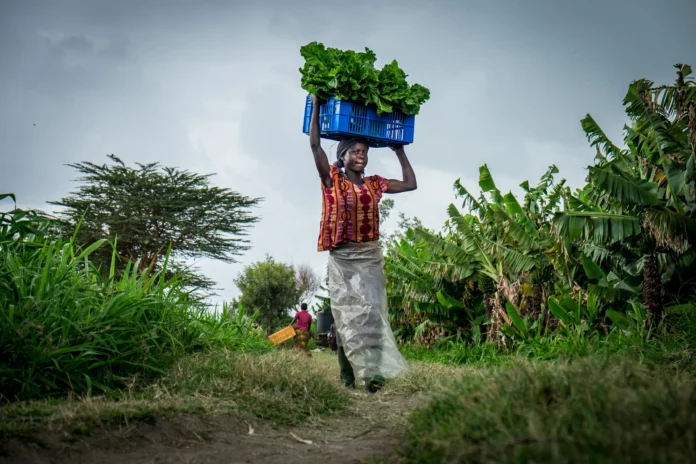
Beyond production volumes, the project draws attention to the role of women in agricultural communities. Women contribute to coffee production, processing, marketing and family businesses, yet their work and financial needs do not always receive sufficient recognition.
By linking coffee consumption with breast cancer support, the initiative creates a direct connection between the agricultural economy and a public health concern that affects families across different social groups.
The outlook for such initiatives will depend on consumer participation, the transparency of fundraising arrangements and the ability to maintain partnerships with organisations supporting patients. If these elements remain in place, socially driven coffee sales could become a more established way for agricultural businesses to support community programmes.
Brazil’s coffee industry is entering a significant production year, but the value of the sector cannot be measured solely by the number of bags harvested or exported. Projects that connect commercial activity with social needs offer another way to assess its contribution to society.
For women facing breast cancer, the importance of such efforts goes beyond the product being sold. It is also about ensuring that support reaches people who need it, while giving an everyday purchase a broader social purpose.