Arabfields, Said Ali, Specialist in Agricultural Policy and Economic Innovations in Asia — The recent violent clashes along the Afghanistan-Pakistan border have dramatically reshaped the economic landscape of both nations, effectively halting a once-thriving bilateral trade relationship that accounted for a substantial portion of Afghanistan’s foreign commerce. What began as security disputes escalated into prolonged border closures, leaving hundreds of trucks stranded and inflicting heavy losses on farmers, traders, and consumers alike. In response, Afghanistan has accelerated its search for alternative trading partners, redirecting exports toward Russia, Iran, India, and Central Asian republics, while Pakistan grapples with sharp increases in the prices of essential fruits and vegetables.
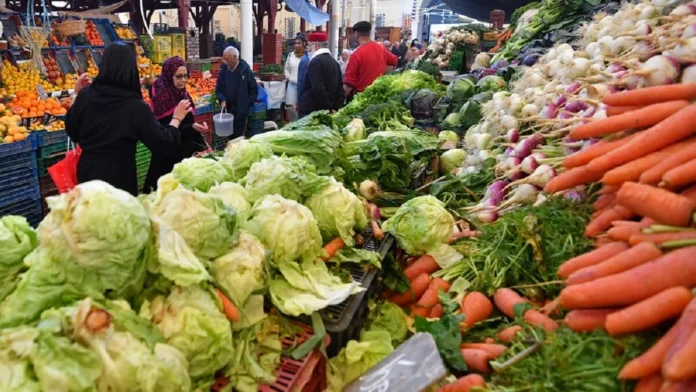
The turning point arrived in October when intense military exchanges prompted Pakistan to seal key crossings such as Torkham and Chaman, effectively cutting off the primary overland route for perishable goods. Afghanistan, which previously sent nearly half of its total exports through Pakistan, saw this vital channel collapse almost overnight. The immediate consequence manifested in Pakistan’s markets, particularly in Punjab and Khyber Pakhtunkhwa provinces, where prices of tomatoes soared by several hundred percent, reaching levels equivalent to roughly two dollars per kilogram in some wholesale markets, while onions, potatoes, garlic, ginger, and various fruits followed suit. These surges stemmed not only from the sudden absence of Afghan supplies but also from concurrent domestic challenges, including flood damage to local crops that had already heightened reliance on imports from across the border.
For Afghanistan, the disruption represented both a severe short-term setback and a powerful catalyst for strategic reorientation. Faced with the spoilage of thousands of tons of pomegranates, apples, grapes, and other produce, the Taliban-led administration moved swiftly to open new pathways. Exports to Iran and Turkmenistan surged by 60 to 70 percent almost immediately, demonstrating the feasibility of western and northern corridors. Trade with Iran has grown particularly robust, with recent figures indicating that bilateral exchanges over several months surpassed those conducted with Pakistan during the same period, highlighting the growing importance of routes through Chabahar port and other Iranian facilities.
Perhaps the most striking development has been the emergence of Russia as a promising new destination for Afghan agricultural products. In late 2025, Afghanistan completed its first shipments of fresh pomegranates and apples from Kandahar province to Russian markets, with initial consignments including dozens of tons that found eager buyers in cities such as Moscow and St. Petersburg. These pioneering exports, facilitated through western border points like Torghundi, signal the beginning of a broader commercial relationship. Afghan officials have described Russia as one of the country’s most significant trading partners, emphasizing the potential for continued deliveries of fruits, spices, and possibly other commodities such as carpets and dried goods. Additional trial shipments of grapes and melons have followed, suggesting that this northern market could absorb increasing volumes in the coming seasons.
India has similarly positioned itself as a key beneficiary of Afghanistan’s diversification strategy. Having already established itself as the largest South Asian export market for Kabul, with annual trade approaching one billion dollars, India has capitalized on the border crisis to deepen economic ties. Recent high-level visits by Afghan commerce officials to New Delhi have focused on tariff reductions, expanded cargo facilities, and greater utilization of Iran’s Chabahar port, which provides a crucial bypass around Pakistani territory. The reopening of direct trade channels, including the approval of Afghan trucks carrying dried fruits and nuts, underscores India’s growing role as a reliable partner. Discussions about bilateral trade targets and infrastructure investments indicate that this relationship could expand significantly in the coming years, potentially transforming Afghanistan into a more active participant in regional connectivity initiatives linking South Asia with Central Asia and beyond.
Central Asian countries, including Uzbekistan, Tajikistan, and Kazakhstan, have also absorbed redirected Afghan produce. Substantial shipments of apples, pomegranates, and dried berries have crossed northern borders through established corridors such as Hairatan, demonstrating that these markets offer viable alternatives for perishable goods. The successful delivery of hundreds of tons worth significant value highlights the potential for sustained growth in this direction, especially as Afghanistan invests in better cold-chain logistics and processing facilities to maintain product quality over longer distances.
Looking ahead, these shifts appear poised to reshape Afghanistan’s trade structure in lasting ways. While the loss of the Pakistani route has caused immediate economic pain, estimated in hundreds of millions of dollars per month, the rapid pivot to new partners suggests resilience and adaptability. Exports of high-value fruits like pomegranates from Kandahar have already reached diverse destinations including Russia, the UAE, and Central Asia, with volumes exceeding tens of thousands of tons this year alone. Should border tensions persist or recur periodically, Afghanistan will likely continue prioritizing diversified corridors, investing in alternative infrastructure, and strengthening diplomatic and commercial relations with Iran, Russia, India, and Central Asian states.
For Pakistan, the prolonged closure carries its own long-term implications. Sustained high prices for imported produce could fuel domestic inflation, place pressure on households, and prompt greater investment in local agriculture to reduce future dependence on Afghan supplies. However, the absence of Afghan markets for Pakistani goods, combined with the broader regional realignments, may encourage Islamabad to seek diplomatic solutions that restore some level of cross-border commerce.
Ultimately, the current crisis may mark the beginning of a more multipolar trade environment for Afghanistan. By cultivating reliable alternatives and reducing vulnerability to unilateral border decisions, Kabul stands to gain greater economic autonomy. If these new partnerships mature, with improved logistics, processing capabilities, and formal agreements, Afghanistan could emerge from the present disruption with a more balanced and resilient export profile, turning a moment of adversity into a foundation for sustained growth in the years to come.