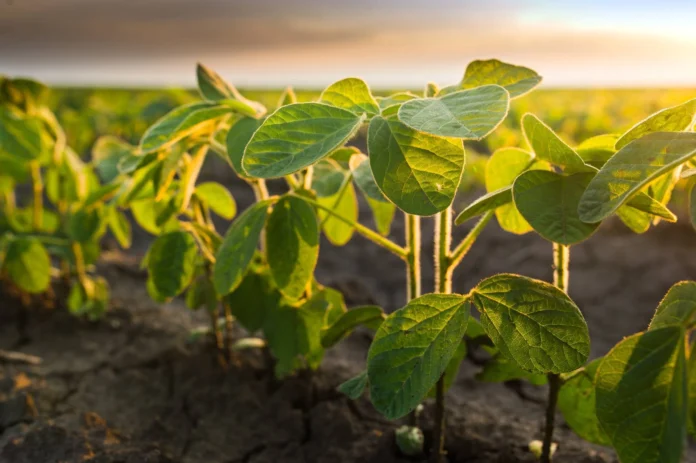
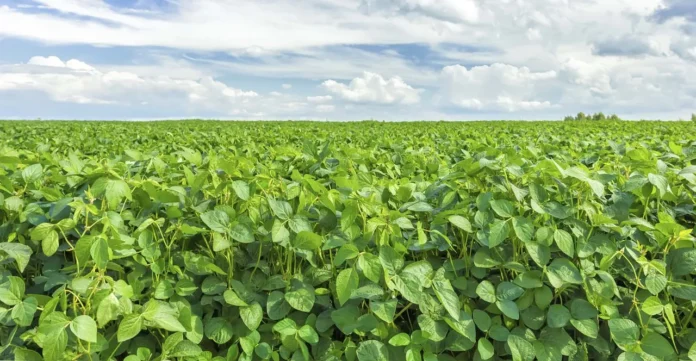
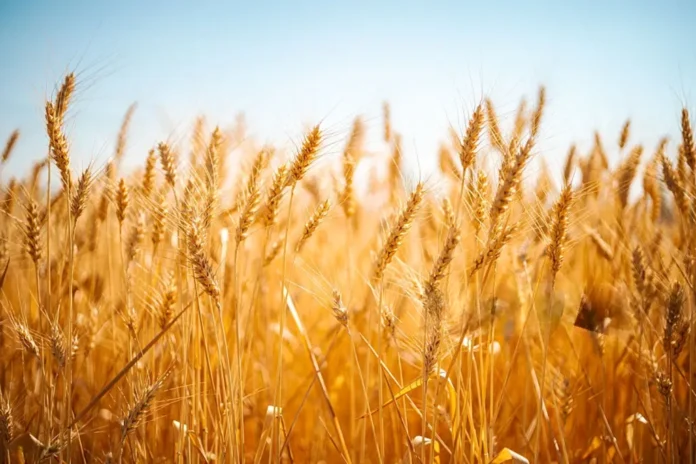
Arabfields, Imed Aissaoui, Oran, Algeria — Algerian farmers and officials are expressing growing optimism as the country prepares for what could become one of its most productive cereal seasons in recent memory. Exceptional winter rains have transformed vast stretches of farmland, particularly in the western regions long plagued by drought, turning fields of wheat and barley into vibrant green expanses that signal strong potential for high yields.
In the plains of western Algeria, where dry spells had previously caused despair among rural communities, the abundant precipitation has revived crops with unusual vigor. One farmer from the M’sila area, speaking during a recent television report, described the wheat as displaying a deep green hue tending toward blue, a clear indicator of robust health. He expressed hope for barley yields reaching up to 50 quintals per hectare, a figure that would mark a significant improvement over typical results in recent years.
Government support has played a key role in sustaining this momentum. Subsidies for certified seeds, fertilizers, and modern equipment, combined with flexible loan terms that allow repayment deferrals in drought-affected periods, encouraged many producers to plant despite earlier uncertainties. These measures enabled sowing campaigns in the autumn of 2025 to proceed across expanded areas in the center and east of the country.
According to recent agricultural assessments, cereal production in Algeria reached approximately 4.2 million tonnes in the previous season, a level comparable to prior years and well above the drought-impacted outputs recorded earlier in the decade. For the current campaign, experts anticipate further gains driven by the improved weather patterns. Wheat acreage remains stable around 2 to 3 million hectares nationally, while barley areas hover near 1 million hectares. Yields, however, hold the greatest promise for advancement, with authorities targeting an increase from the current average of about 17 quintals per hectare for wheat to as much as 30 quintals under optimal conditions.
Minister of Agriculture Yacine Oualid has emphasized the strategic importance of these developments, stating that higher productivity will help reduce the nation’s reliance on imports. President Abdelmadjid Tebboune has similarly voiced expectations for a qualitative harvest that strengthens food security. Abdelghani Benali, Secretary General of the National Interprofessional Chamber for Cereals, described the season as exceptional, especially in the west, noting that many farmers now regret not having sown even more extensively due to lingering fears from past dry years.
Challenges persist nonetheless. Roughly one-third of cereal lands continue to support livestock feed through barley cultivation, limiting the share available for direct human consumption. Expanding cultivated surfaces in the northern zones faces natural constraints, while efforts to develop southern areas demand substantial investments in water management, machinery, and soil improvement. Agronomists highlight that only about 10 percent of wheat currently comes from southern regions, and scaling up to meet ambitious national targets will require sustained innovation.
Looking ahead, projections based on current trends suggest that consistent adoption of advanced dry-farming techniques, such as improved post-sowing practices and better water retention methods, could push overall cereal output toward 5 million tonnes or more in favorable years. This would represent a meaningful step toward reducing import volumes, which have historically exceeded 9 million tonnes annually for wheat alone to meet domestic demand. Over the medium term, officials aim for greater self-sufficiency in durum wheat by enhancing yields and storage capacities, potentially easing the economic burden on state subsidies for bread and related staples.
Farmers in key producing provinces remain cautious about late-season risks, including potential heat waves in April that could affect grain filling. Yet the prevailing sentiment in rural communities is one of renewed hope. As harvesting operations begin in the coming weeks, the combination of favorable weather, targeted policies, and human resilience positions Algeria for a harvest that could set a benchmark for future seasons, provided that momentum in agronomic progress continues.
This development underscores the critical interplay between climate patterns and agricultural strategy in a country where cereals form the backbone of both diet and rural economies.