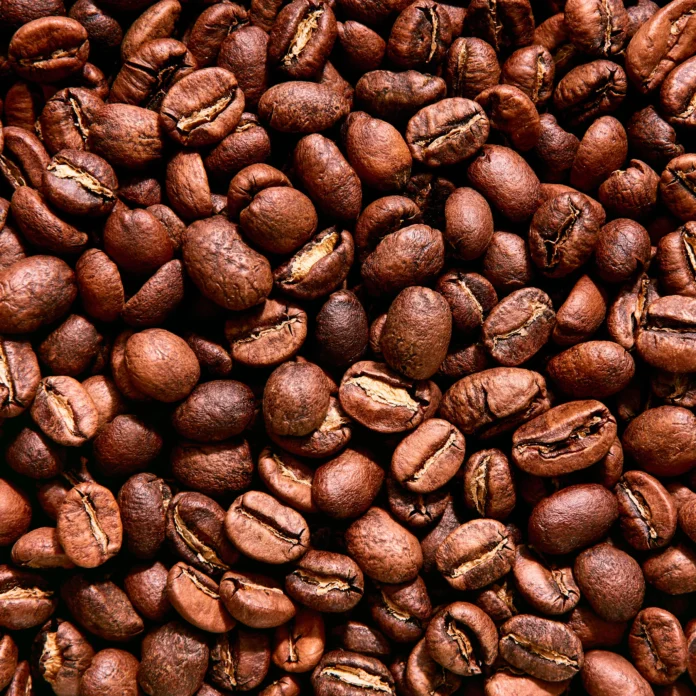
Arabfields, Sophia Daly, Financial Analyst specialized in Agriculture and Futures Markets — The global coffee industry stands at a pivotal juncture in 2026, as projections for Brazil’s upcoming harvest signal a dramatic shift in supply dynamics that favors a sharp expansion in arabica output while modest contraction occurs in robusta volumes. This development has already begun to influence market prices, with futures contracts for both varieties experiencing notable declines in recent weeks as the prospect of abundant supplies takes hold. Industry forecasts now point to Brazil achieving a record total coffee production of 75.3 million bags for the 2026/27 season, representing an increase of more than 20 percent over the preceding cycle and underscoring the country’s dominant role in shaping worldwide availability.
Within this expansive total, arabica production is set to climb to an unprecedented 50.2 million bags, a surge of 37.5 percent from the 36.5 million bags recorded in the prior season. Such growth reflects the natural biennial cycle of arabica trees, which alternate between higher yielding on years and lower output off years, combined with favorable weather patterns and improved cultivation practices across key Brazilian regions such as Sul de Minas, Matas de Minas, Cerrado Mineiro, and São Paulo. These conditions have allowed trees to recover robustly, leading to enhanced flowering and fruit set that promise substantially higher yields. In contrast, robusta production is anticipated to ease to 25.1 million bags, a slight retreat of approximately 2.8 percent from the elevated levels seen in recent harvests. This modest decline stems from the energy depletion in robusta plants following previous strong cycles, even as expanded planting areas provide some offset.
The divergence in these production trajectories has translated directly into divergent yet interconnected price movements across the two primary coffee types. Arabica futures have fallen by as much as 3.2 percent in recent trading sessions, reaching one week lows around 2.80 dollars per pound, as the overwhelming supply outlook from Brazil weighs heavily on sentiment. Robusta contracts have similarly retreated, dropping to fresh contract lows with declines nearing 4.5 percent in some sessions, reflecting broader expectations of ample global inventories that reduce the scarcity premium previously supporting values. These price adjustments mark a departure from the tighter market conditions that prevailed through much of the prior period, when consecutive deficits had driven volatility and elevated costs for buyers and consumers alike.
Looking further ahead, the implications for the 2026/27 season extend well beyond Brazil’s borders and point to a more balanced global supply picture. Analysts project worldwide coffee production to reach a record 180 million bags, an expansion of roughly 8 million bags compared to the previous year, with the Brazilian arabica surge serving as the primary catalyst. This anticipated surplus is expected to facilitate the rebuilding of stocks that had dwindled over four consecutive years of shortfalls, thereby stabilizing availability and exerting continued downward pressure on prices throughout 2026 and into 2027. For arabica specifically, the projected global output gains suggest a potential moderation of 13 percent or more in average prices for the year, reversing some of the sharp increases observed in 2025 when supply constraints dominated.
Robusta markets, while also benefiting from improved overall supplies, face additional influences from major producers outside Brazil. Vietnam, the leading robusta grower, is on track for a four year high output of approximately 29.4 million bags in its 2025/26 season, supported by favorable conditions and expanded cultivation that has boosted exports by over 17 percent in recent periods. Such volumes contribute to a robusta segment that is forecast to grow by nearly 11 percent globally to around 83 million bags, yet the Brazilian arabica abundance indirectly tempers demand for robusta blends as roasters gain flexibility in sourcing cheaper alternatives. Consequently, robusta prices are projected to ease more gradually, declining by about 2 percent in both 2026 and 2027 after a period of relative strength.
The underlying factors driving these forecasts include not only cyclical patterns and weather but also technological advancements and sustainable farming practices increasingly adopted by Brazilian producers. Enhanced irrigation, precision agriculture, and careful management of soil health have amplified productivity gains, particularly for arabica varieties that remain sensitive to climatic variations yet respond well to optimized inputs during favorable on years. Meanwhile, robusta plants, known for their hardiness and lower altitude requirements, have seen area expansions in response to earlier high prices, though this has not fully compensated for the post peak cycle adjustments. These elements combine to create a harvest outlook that contrasts sharply with the challenges of recent seasons, when drought and irregular rainfall curtailed output and fueled price spikes.
From a broader economic perspective, the anticipated 2026/27 surplus carries significant ramifications for stakeholders across the value chain. Coffee exporting nations reliant on arabica, such as those in Central America and Colombia, may encounter heightened competition from Brazilian volumes, potentially compressing margins for smaller scale farmers even as overall market access improves. Consumers worldwide stand to benefit from moderated retail prices, which could stimulate demand for premium arabica blends and support growth in emerging markets where coffee consumption continues to rise steadily. Roasters and importers, on the other hand, gain greater certainty in procurement planning, with rebuilt inventories reducing the risk of sudden shortages that had previously disrupted supply chains.
In the context of 2026 statistics specifically, Brazil’s projected 66.2 million bags under alternative agency assessments for the calendar year harvest align closely with the upward trajectory, featuring arabica at 44.1 million bags, up 23.2 percent year over year, and robusta at 22.1 million bags, advancing 6.3 percent. These figures reinforce the consensus around ample supplies, even as the more optimistic industry estimates push totals higher toward 75 million bags. Globally, ending stocks for the transition into 2026/27 are expected to recover from recent lows, moving away from the 20 million bag range observed in prior tight periods toward levels that better match consumption patterns projected to exceed 170 million bags annually.
Historical patterns further illuminate the current situation, as arabica’s biennial nature has repeatedly produced such boom and bust cycles, with the 2020/21 season marking a previous peak near 47.6 million bags in Brazil before subsequent off years reduced volumes. The current rebound exceeds that benchmark, highlighting improved resilience in the sector. Robusta, by comparison, has shown steadier incremental growth over time due to its adaptability, yet the slight 2026/27 dip underscores the limits of consecutive high yield cycles without adequate recovery periods for the plants.
Climate considerations remain integral to sustaining these forecasts, with recent rainfall patterns in Brazil’s main growing zones having supported strong development without excessive disease pressure such as leaf rust outbreaks that could otherwise undermine progress. Ongoing monitoring of weather variability will be essential, as any deviation toward drier conditions could temper the full realization of projected gains. Similarly, global trade dynamics, including currency fluctuations and logistical costs influenced by geopolitical factors, may introduce additional variables that either amplify or mitigate the downward price trajectory.
As the 2026/27 season unfolds, market participants anticipate a period of relative stability compared to the volatility of recent years, with the expanded arabica supply fostering opportunities for innovation in product development and market expansion. The coffee sector’s evolution toward greater sustainability and traceability is likely to accelerate under these conditions, as producers leverage higher volumes to invest in practices that appeal to environmentally conscious consumers. Ultimately, the progression of arabica alongside the retreat in robusta within Brazil’s record harvest sets the stage for a transformed global landscape, one where supply abundance reshapes pricing mechanisms and encourages broader accessibility to this essential commodity.
In summary of the forward looking outlook, prices for both arabica and robusta are positioned to moderate further through 2026, driven by the cumulative effects of Brazilian leadership in production and complementary growth elsewhere. This scenario not only addresses prior imbalances but also paves the way for sustained industry growth, provided that adaptive strategies continue to address emerging risks from climate and market forces. The coming months will reveal the extent to which these projections materialize, yet the foundational data already points to a harvest that will leave a lasting imprint on coffee economics worldwide.