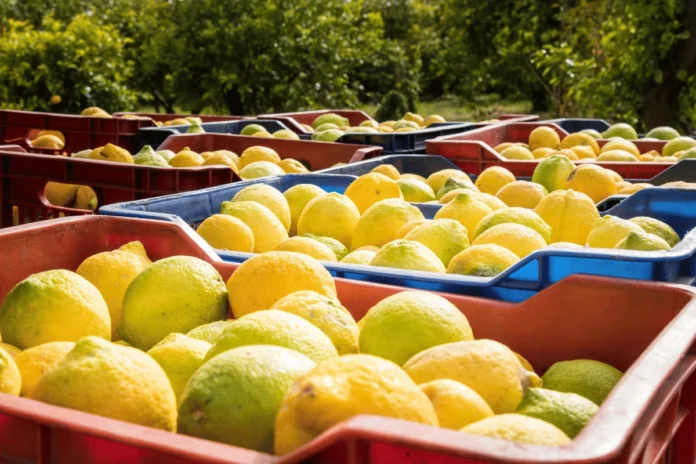
Arabfields, Imed Aissaoui — Argentina stands on the cusp of a transformative moment for its citrus industry, as negotiations with United States phytosanitary authorities approach a positive conclusion, paving the way for fresh oranges and mandarins to enter the vast North American market. Industry leaders express strong optimism that approval of the import protocol is imminent, promising greater commercial stability for producers and access to nearly 350 million consumers. This development builds on the successful export of Argentine lemons to the region since 2018, marking a significant expansion of opportunities for one of the country’s key agricultural sectors.
The nation’s citrus production remains concentrated in the northeast and northwest regions, where favorable climates and established growing traditions have long supported robust output. Much of the current harvest of oranges and mandarins serves the domestic market or feeds into processing facilities, yet production volumes continue to rise steadily. In response, the industry has intensified efforts to secure new export destinations, driven by the need to offset declining access to traditional markets. Recent years have seen Argentina lose ground in countries such as Indonesia, the Philippines, and Canada, while stricter European Union regulations related to Black Spot disease have further constrained shipments to that bloc. Against this backdrop, the prospective opening of the United States market emerges as a vital lifeline, offering a chance to diversify trade partners and restore balance to the sector’s international footprint.
Particularly in the northwest, especially around Tucumán, the infrastructure developed for lemon exports positions the region well for this potential shift. Packing houses, cold storage facilities, and rigorous traceability systems already meet high international standards, assets honed through years of successful lemon trade. This readiness suggests that, once approval arrives, Argentine exporters could move swiftly to capitalize on the opportunity, channeling fresh fruit northward with efficiency and compliance.
The anticipated market access carries implications far beyond fresh produce alone. A favorable decision from US authorities would likely invigorate the processing side of the industry, increasing the supply of raw materials for concentrated juices, essential oils, and dried peels that serve food, beverage, and cosmetics manufacturers worldwide. Greater overall volumes moving into export channels could create a virtuous cycle, where enhanced demand encourages further investment in orchards and facilities, ultimately strengthening the entire value chain.
Looking ahead, the approval of oranges and mandarins for the US market could herald a new era of growth for Argentina’s citrus sector. With production trends pointing upward and existing infrastructure primed for expansion, exporters might soon see a substantial increase in shipments, potentially establishing North America as a cornerstone destination alongside existing lemon success. This diversification would reduce vulnerability to fluctuations in any single market, providing producers with the predictability needed to plan long-term investments in varieties, pest management, and sustainable practices. As consumer demand for fresh, high-quality citrus remains strong in the United States, Argentine suppliers, known for their counter-seasonal availability, could capture meaningful share, complementing supplies from domestic and other hemispheric sources.
Over the coming years, this breakthrough may contribute to broader economic revitalization in citrus-growing provinces, supporting jobs in farming, packing, logistics, and related industries. The ripple effects could extend to improved bargaining power in global negotiations, as a more resilient export profile bolsters Argentina’s position among citrus-producing nations. Should the protocol receive final endorsement in the near term, the industry anticipates not just recovery from recent setbacks, but sustained expansion, positioning oranges and mandarins as pillars of future prosperity alongside the established lemon trade. In an increasingly competitive global landscape, this step forward promises to reinforce Argentina’s role as a reliable, year-round supplier of premium citrus to discerning markets worldwide.