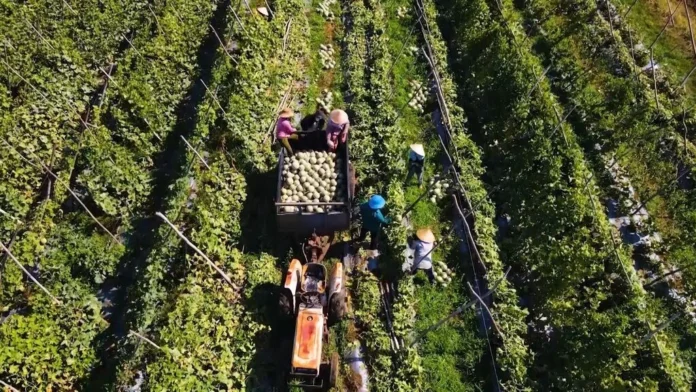
Arabfields, Naïla Mokhtari, Correspondent, São Paulo, Brasil — Brazilian President Luiz Inácio Lula da Silva’s re-election has renewed debate over the future of the country’s powerful agribusiness sector, with farmers, industry representatives and agricultural organisations calling for more predictable financing, stronger crop insurance and greater investment in infrastructure.
The sector, one of Brazil’s most important economic engines, enters the next political cycle with competing priorities. Family farmers are seeking continuity in public support programmes, while many large agricultural producers remain concerned about borrowing costs, government spending and the direction of economic policy.
The political influence of agribusiness is also expected to remain substantial. The Parliamentary Agricultural Front, known as FPA, brings together 349 lawmakers, reflecting the sector’s considerable presence in Congress. Its strength could complicate negotiations with a government that has often faced resistance from rural representatives over environmental rules, agricultural policy and public spending.
For producers, the debate extends beyond Brasília. Farmers preparing for the next planting season must make decisions about seeds, fertilisers, machinery and labour months before knowing what prices their harvests will command. Uncertainty over credit conditions can therefore affect investment decisions well before crops reach the market.
Financing remains one of the sector’s most pressing challenges. Estimates cited during the 2026 election campaign put annual agricultural financing needs above 1 trillion reais, compared with 516.2 billion reais allocated under Brazil’s 2025/26 Agricultural and Livestock Plan. The gap highlights the importance of private lending and capital markets, particularly for producers who cannot rely entirely on subsidised government credit.
Insurance is another concern. Only 3.3% of Brazil’s cultivated area was covered by rural insurance in 2025, according to figures discussed during the election campaign. At the same time, the area protected by agricultural insurance fell sharply between 2021 and 2025, leaving many producers exposed to droughts, excessive rainfall and other weather-related losses.
For smaller farmers, a failed harvest can mean more than a temporary reduction in income. It can threaten household finances, delay loan repayments and limit the ability to purchase inputs for the following season. Industry representatives argue that more accessible insurance and reliable credit would help producers manage these risks while maintaining investment in productivity.
Lula’s next administration is expected to face pressure to expand agricultural financing, strengthen insurance programmes and improve transport infrastructure. The government has also pledged support for agricultural technology, irrigation, research and more sustainable production methods. However, the practical impact of these commitments will depend on funding, implementation and negotiations with Congress.
The outlook for family farming differs in some respects from that of large-scale export agriculture. Small producers are particularly dependent on accessible public credit, technical assistance and programmes that help them sell their output. Larger businesses, meanwhile, are more exposed to international commodity prices, exchange-rate movements, freight costs and changing trade conditions.
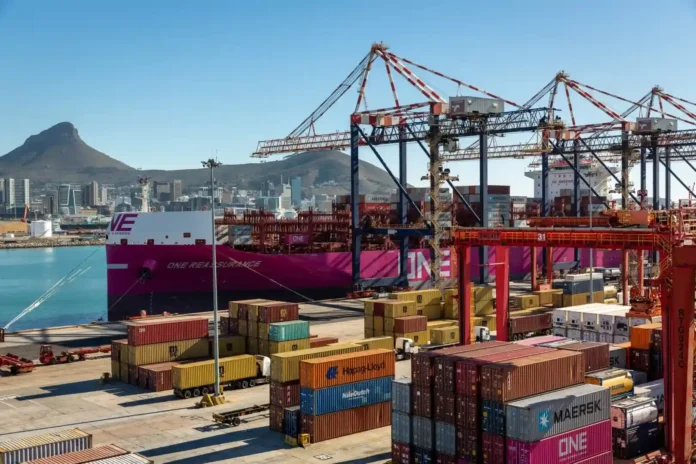
Both groups nevertheless share an interest in policy stability. Fertiliser costs, financing expenses and unpredictable weather can quickly erode margins, even when export demand remains firm. Greater investment in storage facilities, railways, ports and rural connectivity could help reduce costs and improve the competitiveness of Brazilian products in international markets.
Looking ahead, the first major test will be whether the administration can translate campaign commitments into concrete measures for the 2027 budget and the next agricultural financing plan. Producers will be watching interest rates, insurance funding and the availability of credit as they decide how much to invest in the coming crop cycle.
A broader improvement in agricultural conditions is possible if financing becomes more accessible and infrastructure bottlenecks are addressed. However, high borrowing costs, fiscal constraints and climate risks could limit progress. The size of the financing gap suggests that public resources alone are unlikely to meet the sector’s needs, making private investment and more effective risk-sharing mechanisms increasingly important.
Lula’s re-election therefore leaves Brazil’s agribusiness sector facing both continuity and uncertainty. The coming months will help determine whether the government can reconcile its social and environmental priorities with the demands of a highly competitive agricultural industry, whose performance matters to rural employment, export revenues and the wider Brazilian economy.