Arabfields, Maleeka Kassou, East, West & Central Africa Agriculture Correspondent — The government of Burkina Faso has officially lifted the temporary suspension on shea nut exports, reopening a trade channel that plays a major role in the country’s rural economy and in the wider West African agricultural market. The decision comes after months of restrictions introduced to stabilize domestic supply and support local processing industries.
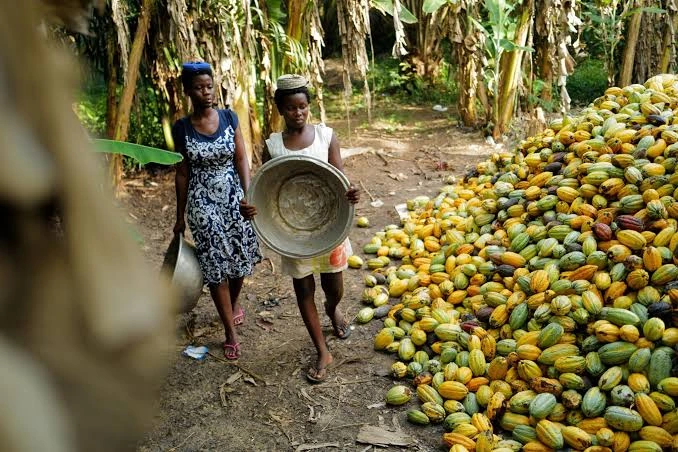
For thousands of women working in shea collection and processing across the country’s rural regions, the announcement was welcomed with relief. In towns near Bobo-Dioulasso and Houndé, traders and cooperative leaders said warehouses had been filling up since late last year, while buyers from neighboring countries waited for export activity to resume.
“We were worried because many families depend entirely on this campaign,” said Aïssata Traoré, a member of a women’s cooperative in western Burkina Faso. “When exports stopped, prices slowed down and some collectors reduced their activity.”
Burkina Faso remains one of Africa’s largest shea producers, alongside Nigeria, Ghana and Mali. Industry estimates for 2026 indicate that the country could produce more than 400,000 tons of shea nuts this season, while export volumes are expected to recover progressively after the reopening of trade authorizations. Analysts believe exports could climb back above 150,000 tons if international demand continues at its current pace.
The shea sector is especially important because it supports hundreds of thousands of rural households. Most of the harvesting and initial transformation work is carried out by women, many of whom rely on the activity as their primary source of income during the dry season.
International demand for shea products has continued to expand in recent years, driven by the food and cosmetics industries. Shea butter is widely used by chocolate manufacturers as a cocoa butter substitute, while global beauty brands increasingly incorporate it into skincare and haircare products. According to sector projections for 2026, worldwide demand for shea derivatives is expected to remain strong as manufacturers search for vegetable-based ingredients and sustainable supply chains.
Economists say the reopening of exports could also bring additional foreign currency revenues to Burkina Faso at a time when regional trade flows remain under pressure from inflation and logistical disruptions across West Africa.
Still, authorities are expected to maintain closer oversight of the sector. Officials have repeatedly stated that the long-term objective is not only to export raw nuts but also to increase domestic processing capacity. Local processors argue that transforming more shea into butter and finished cosmetic products inside Burkina Faso would create more jobs and generate higher export revenues.
Data from the national shea development strategy suggest that local processing investments have accelerated since 2022, with several cooperatives modernizing equipment and expanding storage infrastructure. If current trends continue, experts believe Burkina Faso could significantly increase its share of the global shea butter market over the next five years.
Market observers also expect stronger competition among regional exporters in 2026 and beyond. Ghana and Nigeria continue to invest heavily in industrial transformation, while international buyers are demanding stricter quality standards and better traceability.
For producers in Burkina Faso, however, the immediate priority remains simple, restarting commercial activity after months of uncertainty. In rural collection centers, trucks have already begun moving again, a sign that the new campaign may quickly regain momentum.