Arabfields, Maleeka Kassou, East, West & Central Africa Agriculture Correspondent — Burkina Faso received a new shipment of agricultural equipment and farming inputs from China this week, in a move officials say could strengthen food production ahead of the next planting season. The donation, valued at nearly 160 million CFA francs, included farming materials, seeds and fertilizer intended to support local producers facing rising pressure from climate challenges and supply shortages.
The handover ceremony gathered government representatives, agricultural technicians and farmers, many of whom described the support as timely after several difficult seasons marked by irregular rainfall and higher production costs. In rural communities around Bobo-Dioulasso and Ouagadougou, growers have increasingly relied on external support programs to maintain output levels.
“I lost part of my harvest last year because fertilizer prices became too expensive,” said Moussa Ouedraogo, a maize farmer attending the event. “If these supplies arrive quickly in the villages, many families will be able to plant on time.”
Agriculture remains the backbone of Burkina Faso’s economy, employing a large share of the population and contributing significantly to national income. Recent government figures and regional economic reports show the sector is receiving increased investment as authorities attempt to improve food security and reduce dependence on imports.
The Chinese donation comes at a period of growing cooperation between Ouagadougou and Beijing. Trade between the two countries has expanded sharply in 2026, with Chinese exports to Burkina Faso rising significantly compared with the previous year. Analysts believe agriculture is becoming one of the central pillars of that partnership.
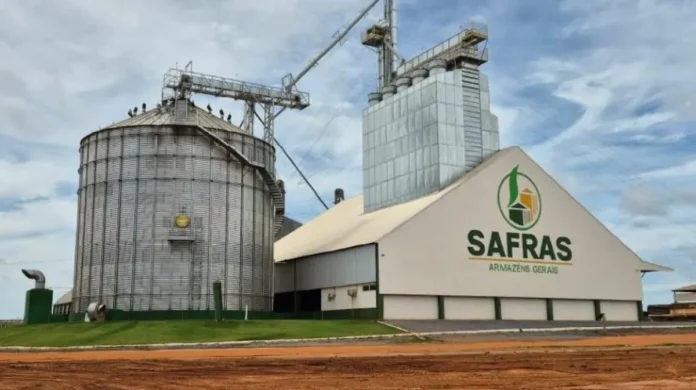
Burkina Faso has already launched several large agricultural support initiatives in recent months. Government-backed programs have included the distribution of tractors, irrigation equipment and improved seeds across farming regions. Authorities are also investing billions of CFA francs into storage infrastructure and climate resilience projects designed to increase long-term productivity.
Economists say the latest assistance could contribute to stronger cereal production if weather conditions remain stable during the coming season. Forecasts from regional agricultural observers suggest domestic grain output may continue rising through the next two years as mechanization expands and access to farming inputs improves.
Still, challenges remain. Security concerns in some rural zones continue to disrupt cultivation, while inflation and transport costs weigh heavily on producers. Agricultural experts also warn that sustained investment in irrigation and logistics will be necessary for Burkina Faso to achieve lasting food self-sufficiency.
For many farmers, however, the immediate concern is simpler. “People just want the means to work,” said agricultural cooperative member Awa Sawadogo after the ceremony. “When seeds and fertilizer arrive at the right moment, the whole village feels hopeful again.”