Arabfields, Sana Dib, Financial Correspondent Johannesburg, South Africa — In the heart of West and Central Africa, the Economic and Monetary Community of Central Africa, or CEMAC, stands as a vital economic bloc comprising Cameroon, Gabon, the Republic of the Congo, Equatorial Guinea, Chad, and the Central African Republic. These nations, bound by shared currencies and trade aspirations, rely heavily on the export of raw commodities to fuel their growth and sustain their populations. Among these, agricultural products form a cornerstone, accounting for a substantial portion of the region’s trade revenue. However, the third quarter of 2025 brought a sobering turn, as prices for these exported goods tumbled by 10.3 percent compared to the previous quarter. This downturn, sharper than the 7.9 percent dip observed between the first and second quarters, underscores the fragility of commodity-dependent economies in the face of global market whims.
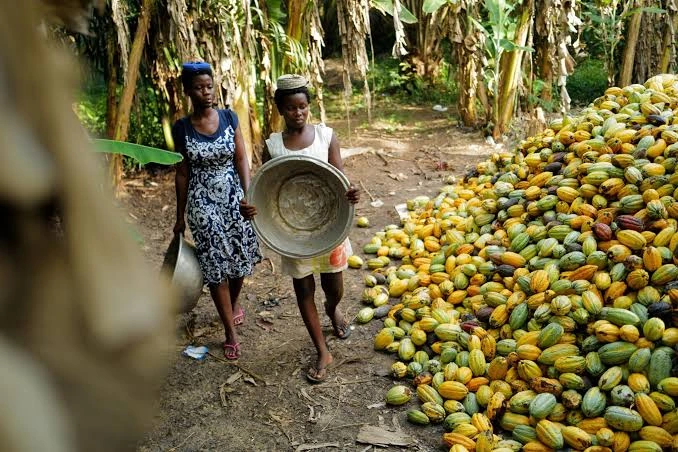
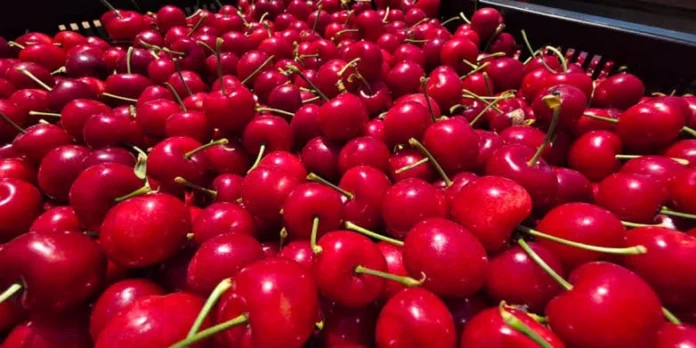
At the epicenter of this decline lies the cacao bean, the golden child of CEMAC’s agricultural exports, particularly from Cameroon, which ranks as one of the world’s top producers. Cacao prices plummeted by a staggering 13.9 percent during this period, marking the end of a bullish cycle that had buoyed farmers since 2022 following three years of production shortfalls. What once promised prosperity now signals a harsh correction, driven by an anticipated surge in global supply for the 2025-2026 season. Producers in the humid forests of southern Cameroon and the fertile highlands of other member states had poured their efforts into expanding yields, only to find themselves caught in a tide of relative overproduction. This excess, while a testament to improved farming techniques and investments in irrigation and pest control, has flooded international markets, forcing buyers to negotiate down from the lofty heights of recent years.
Coffee, cacao’s steadfast companion in the region’s export portfolio, fared little better, with prices eroding by 8.9 percent. In countries like Cameroon and Gabon, where coffee plantations dot the landscapes alongside cacao groves, this slide compounds the challenges for smallholder farmers who often intercropped the two for diversified income. The global coffee market, already strained by fluctuating demand from major importers in Europe and North America, amplified the pressure as CEMAC’s arabica and robusta varieties lost ground to competitors from Latin America and Asia. Together, cacao and coffee, which dominate nearly half of the agricultural export value in the zone, dragged the broader index downward, illustrating how the fortunes of a few key crops can ripple across an entire economic community.
The ripple effects extend beyond these headline commodities, touching a range of other staples that form the backbone of CEMAC’s trade. Rice prices, essential for food security and regional exports, fell by 7.4 percent, while tobacco, a niche but lucrative crop in parts of Chad and the Central African Republic, saw a 6.7 percent retreat. These declines paint a picture of widespread market softening, where even resilient sectors struggle against the headwinds of oversupply and tempered buyer enthusiasm. Yet, not all trends pointed south, a small silver lining in an otherwise cloudy forecast. Palm oil, harvested from vast estates in Cameroon and Gabon, bucked the trend with a 7.2 percent price increase, buoyed by steady demand for biofuels and cooking oils in emerging markets. Beef meat exports rose modestly by 2.4 percent, reflecting growing appetites in urban centers across Africa and the Middle East, and cotton inched up by 0.3 percent, supported by textile industries in Asia.
This price index, meticulously tracked by the Bank of Central African States through its Composite Index of Basic Product Prices, draws from the cours of 20 key commodities that represent 90 percent of CEMAC’s total export value. Spanning categories from energy and minerals to timber, agriculture, and fisheries, it serves as a barometer for the health of these resource-rich but vulnerable economies. The agricultural segment, in particular, highlights the dual-edged sword of natural endowments, where bountiful harvests can swiftly turn into burdens when synchronized with global surpluses. The absence of explicit climate hurdles in this quarter’s data offers a brief respite, though lingering memories of erratic rains and pest outbreaks in prior seasons remind stakeholders that environmental risks remain ever-present.
For the producers on the ground, the implications are profoundly personal and economic. In rural Cameroon, where cacao farming sustains over a million households, the 13.9 percent price drop translates to tangible losses, shrinking incomes that were already stretched thin by rising input costs like fertilizers and labor. A farmer in the Southwest Region, tending to plots passed down through generations, might see monthly earnings from a hectare of cacao dwindle by hundreds of dollars, forcing tough choices between school fees and farm maintenance. Similarly, coffee growers in the Adamawa Plateau face eroded margins, potentially delaying replanting cycles or pushing families toward subsistence crops over cash ones. Across the CEMAC, this revenue squeeze exacerbates poverty in agrarian communities, where agriculture employs up to 70 percent of the workforce. Governments, too, feel the pinch, as export taxes and duties form critical inflows for infrastructure and social programs, now at risk of shortfalls that could widen budget deficits.
Looking ahead, the trajectory for CEMAC’s agricultural exports hinges on a delicate balance of supply management and market diversification. The expected overproduction in cacao for the coming season suggests that prices may stabilize at lower levels, prompting calls for coordinated efforts among member states to stockpile surpluses or explore value-added processing, such as turning beans into chocolate locally rather than shipping them raw. Coffee, with its more fragmented global supply chains, might benefit from targeted quality certifications to command premiums in niche markets. Broader strategies could include bolstering regional trade within Africa through the African Continental Free Trade Area, reducing overreliance on volatile European and American buyers. Investments in climate-resilient varieties and digital tools for price forecasting could also shield producers from future shocks, transforming vulnerability into resilience.
As the fourth quarter of 2025 unfolds, CEMAC’s agricultural sector stands at a crossroads, where the lessons of this 10.3 percent decline could either deepen cycles of boom and bust or catalyze a more sustainable path forward. For nations like Cameroon and Gabon, long synonymous with cacao and coffee excellence, the challenge is clear, to harness their green wealth not just for export ledgers, but for enduring prosperity among the very hands that cultivate it. In a world of interconnected markets, the story of these falling prices is more than a quarterly footnote, it is a clarion call for innovation and solidarity in the face of uncertainty.