Arabfields, Sana Dib, Financial Correspondent Johannesburg, South Africa — South Africa’s agricultural sector continues to demonstrate remarkable resilience and growth, with the latest trade figures revealing that agricultural exports for the third quarter of 2025 reached an impressive 4.7 billion US dollars. This represents a robust 13 percent increase compared to the same period in 2024, underscoring the country’s growing influence in global food and beverage markets at a time when many other economies are grappling with supply-chain disruptions and fluctuating commodity prices.
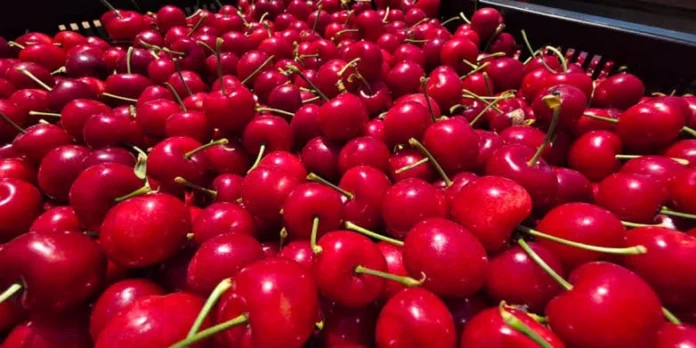
The driving force behind this strong performance has been a broad-based surge across several high-value categories, with fruit exports once again taking center stage. Citrus fruits, apples, pears, berries, table grapes, and avocats have all recorded substantial gains in both volume and value, benefiting from favorable weather conditions in key producing regions such as the Western Cape and Limpopo, as well as sustained international demand from Europe, Asia, and the Middle East. South African citrus, in particular, has cemented its reputation for quality and reliability, with the European Union, China, and the United Kingdom remaining top destinations despite occasional logistical and phytosanitary challenges.
Beyond fresh produce, the nut sector has emerged as another standout performer. Macadamia nuts and pecans, cultivated primarily in Mpumalanga and the Northern Cape, have seen export revenues climb sharply, fueled by rising global appetite for healthy, plant-based snacks and ingredients. Similarly, South Africa’s wine industry, centered around the historic vineyards of Stellenbosch, Paarl, and Franschhoek, contributed meaningfully to the quarter’s results, with premium and bulk wines finding eager buyers in traditional markets like the United Kingdom and Germany, as well as newer growth markets in West Africa and Southeast Asia.
Field crops also played a significant role in the export boom. Maize exports benefited from a strong domestic harvest and competitive pricing on the international market, allowing South Africa to capitalize on demand from neighboring countries and further afield. Sugar and fruit juice concentrates rounded out the list of major contributors, with processors managing to secure attractive contracts despite volatile energy and transport costs at home.
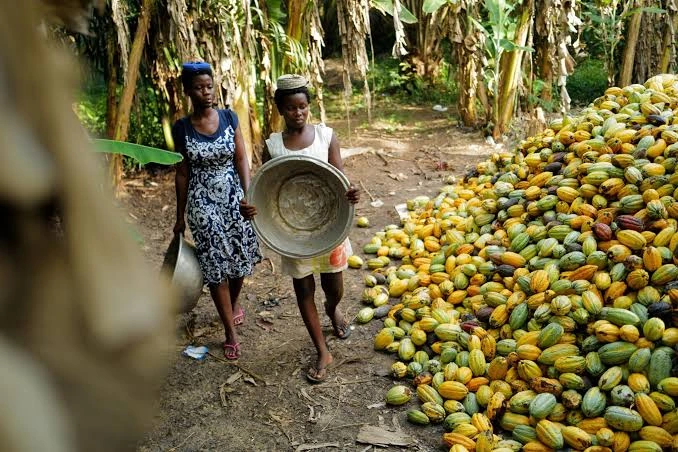
Interestingly, even though South Africa is not a major producer of coffee or cocoa, the elevated global prices for these commodities have had a positive spillover effect on related value chains. Higher returns in coffee and cocoa markets have encouraged investment and innovation in processing and packaging facilities that also handle local fruit juices, wines, and specialty products, indirectly strengthening the broader agro-processing ecosystem.
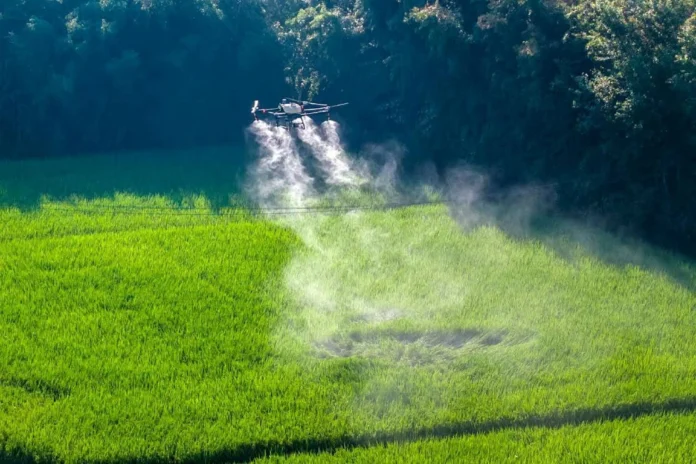
This latest set of figures arrives against a backdrop of both opportunity and ongoing challenge for South African agriculture. Port congestion, electricity shortages, and rising input costs continue to test the sector’s margins, yet the ability of farmers, exporters, and industry bodies to adapt and find new markets has been remarkable. Investments in cold-chain infrastructure, digital traceability systems, and sustainable farming practices are beginning to pay dividends, helping producers meet the increasingly stringent environmental and quality standards demanded by importing nations.
The 13 percent year-on-year growth in the third quarter not only reinforces agriculture’s position as one of South Africa’s most reliable sources of foreign exchange but also highlights the sector’s potential to drive broader economic recovery. With global food security concerns unlikely to fade anytime soon, South Africa appears well positioned to maintain its upward trajectory in agricultural trade for the remainder of 2025 and beyond, provided that domestic policy settings continue to support competitiveness and innovation on the farm and in the boardroom alike.
As the numbers from the Department of Agriculture, Land Reform and Rural Development and trade data compiled by industry bodies make clear, the fields, orchards, and vineyards of South Africa are not just feeding the nation; they are increasingly feeding the world, and doing so with growing success.