Arabfields, Sophia Daly, Financial Analyst specialized in Agriculture and Futures Markets — Ghana’s cocoa sector has delivered strong results once again, with exports of processed cocoa products generating 1.8 billion dollars in 2026. This figure marks a 90 percent rise from the previous year and confirms the country’s steady progress in moving up the value chain.
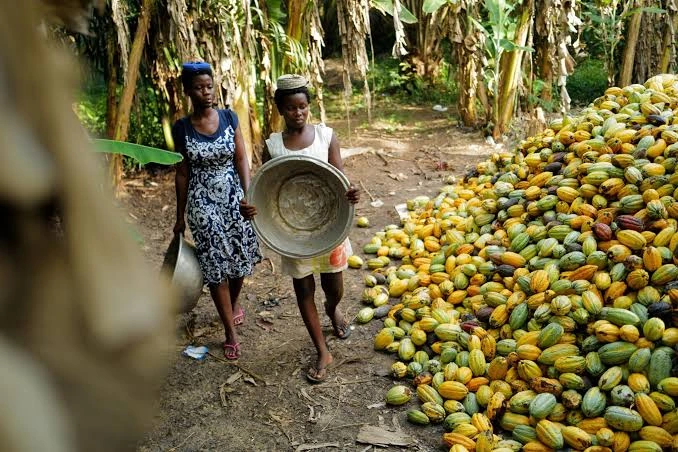
The cocoa industry remains the leading source of agricultural export revenues for Ghana. Although the bulk of the national harvest is still sold as raw beans, the sharp increase in processed items such as cocoa butter, cocoa powder and chocolate products shows a clear shift toward local transformation. Government policies supporting processing facilities and attracting investment have played a central role in this expansion.
Farmers and processors alike are feeling the benefits. “Processing our cocoa locally has been a game changer for many of us,” said Ama Ofori, a smallholder farmer from the Western Region. “We receive better prices and our communities now have more stable incomes.”
Joseph Boateng, a senior official at the Ghana Cocoa Board, expressed similar views. “The 90 percent rise in processed cocoa exports demonstrates our commitment to sustainable development and value addition. We are building a more resilient economy.”
Looking forward, industry analysts project continued growth based on the recent performance. If current trends hold, processed cocoa exports could exceed 3 billion dollars by 2030. Such an outcome would further strengthen Ghana’s position among global cocoa producers and support broader industrial development across the region.
The sector still faces challenges, including volatile international prices and the need for additional infrastructure. Nevertheless, sustained policy support and partnerships are expected to help overcome these obstacles. For thousands of Ghanaians working along the cocoa value chain, from cultivation to export, these developments represent more than statistics. They translate into real improvements in daily life and long-term economic security.