Arabfields, Leonor Fernández de Córdoba, Correspondent, Spain — Spanish shipments of fresh fruits and vegetables registered a 4 percent decline in export volumes during January and February compared with the same period a year earlier. The downturn affected both main categories, with vegetable exports falling 3 percent and fruit volumes dropping 6 percent.
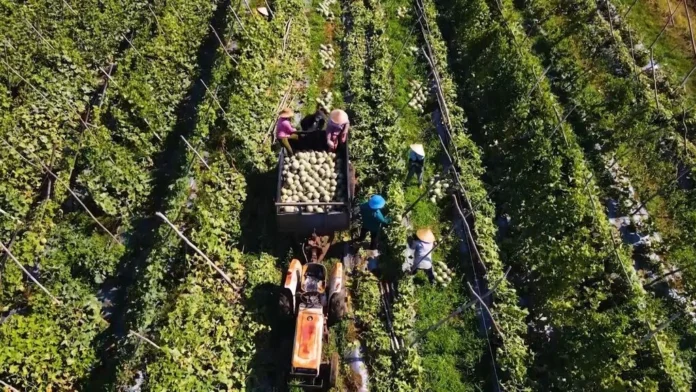
Producers across the main growing regions have felt the impact directly. Antonio Ruiz, a third-generation vegetable grower from Murcia who manages 150 hectares of tomatoes and peppers, described the early-year figures as worrying after months of careful planning. “We prepared the fields as usual and invested in the latest irrigation systems, yet the market response has been weaker than expected,” he said. Ruiz employs 28 seasonal workers whose hours have already been reduced to match the lower demand from key buyers in northern Europe.
The pattern mirrors broader pressures on the sector, where Spain remains one of the European Union’s largest suppliers of fresh produce. Industry representatives note that the combined drop in vegetable and fruit shipments has reduced total export earnings by several million euros in the first two months alone. Smaller family operations, which account for a significant share of output, appear especially exposed because they rely heavily on consistent orders from supermarkets and wholesalers abroad.
Analysts following the data project that the current pace of decline could lead to an overall annual reduction of between 3 and 5 percent if conditions remain unchanged. They base this outlook on the observed January-February trend and assume no major shifts in weather patterns or trade agreements. Should the softer demand continue into the peak spring and summer export season, the cumulative effect might trim Spain’s market share in key destinations such as Germany and the United Kingdom by up to two percentage points.
Trade observers nevertheless point to possible mitigating factors later in the year. A return to more stable temperatures and renewed negotiations on tariff-free access could help offset some of the early losses. For now, however, growers and exporters continue to monitor weekly shipment reports closely, hoping the downward movement proves temporary rather than the start of a longer contraction.