Arabfields, Isabela Valentina Montemayor, Correspondent, Mexico — Coffee production across Central America and Mexico is advancing with remarkable steadiness and optimism as the 2025/26 season unfolds, signaling a period of recovery and growth for one of the world’s most vital arabica-producing regions. Farmers throughout these countries have navigated the cycle with favorable conditions, leading to a harvest that not only progresses smoothly but also holds strong potential for increased volumes and enhanced quality in the months ahead. Drawing from on-the-ground insights, the region is poised to deliver a robust output, building on lessons from previous years and benefiting from timely investments that promise sustained vitality.
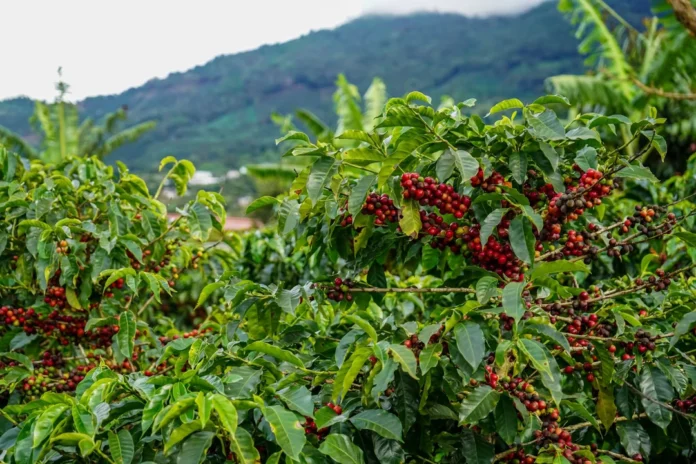
The harvest commenced in lower-altitude areas toward the end of October, gradually building pace through November as conditions aligned favorably. This season has been marked by a more balanced and even flow of cherry deliveries to mills, reducing the usual bottlenecks and allowing for meticulous processing that preserves the inherent qualities of the beans. As January reaches its peak, harvesting activity intensifies across mid-to-high elevations, where the bulk of remaining cherries are developing. Looking forward, this momentum suggests that the main harvest will taper off gradually by late March and into early April, providing a extended window for complete collection and ensuring that even the highest-altitude farms contribute fully to the season’s tally.
Projections for total regional production point toward approximately eighteen million bags, representing a notable increase of around four and a half percent compared to the previous cycle. This uptick reflects the fruits of strategic reinvestments made possible by elevated international prices during the 2024/25 season, which generated substantial revenues for producers in multiple countries. Those funds have been channeled back into essential farm improvements, including extensive tree renovations and enhanced fertilization programs, resulting in healthier plants and more resilient crops this year. As these efforts continue to manifest, future seasons could see even greater stability, with plant health improvements compounding to yield progressively higher and more consistent outputs, assuming climatic patterns remain supportive.
Quality expectations are equally encouraging, bolstered by the steadier picking rhythm and balanced mill operations. With less rush in deliveries, processors can dedicate more attention to each lot, leading to superior physical preparation and cleaner cup profiles that highlight the nuanced flavors characteristic of Central American coffees. This trend is likely to persist through the remainder of the harvest, positioning the region’s offerings as particularly attractive in global markets where premium attributes command higher value. In the coming months, as higher-elevation coffees come online, their typically brighter acidity and complex notes will further elevate the overall quality benchmark, potentially driving demand and supporting price stability for producers.
Country-specific progress varies in timing, influenced primarily by altitudinal differences and localized microclimates rather than any underlying challenges. Nicaragua stands out as the most advanced at this stage, with a significant portion of its harvest already secured, allowing mills there to focus on post-harvest handling. In contrast, El Salvador and Costa Rica are proceeding at a more measured pace, but acceleration is anticipated as their higher-altitude zones enter full production soon. This staggered approach across the region ensures a prolonged supply flow, mitigating risks of oversupply at any single point and contributing to smoother market dynamics. Moving forward, these variations are expected to converge positively, with all areas completing their cycles on schedule and contributing to the collective volume target.
Broader market influences have also shaped the season’s trajectory. A temporary policy adjustment in Mexico late last year briefly eliminated certain trade tariffs with the United States, spurring increased local activity and imports during that period. Although normal conditions resumed shortly thereafter, the episode underscored the region’s sensitivity to trade policies. More significantly, the postponement of full European Union Deforestation Regulation enforcement by an additional year offers breathing room for stakeholders to refine traceability mechanisms and expand coverage. This extension, now aligning implementation with the end of 2026, is projected to facilitate stronger compliance across supply chains, reducing potential disruptions and fostering long-term sustainability without immediate strain on exporters or farmers.
Amid these developments, innovative initiatives are emerging that tie production directly to social impact, exemplifying the direction in which the industry is heading. One such offering originates from select areas in Guatemala, blending coffees from hundreds of smallholder farmers in a fully traceable and verified program. This coffee emphasizes responsible practices, including minimal use of chemical inputs, deforestation-free farming, and biodiversity preservation, all while directing proceeds toward community enhancements. Specifically, it funds improvements in early childhood education facilities and teacher training in rural coffee-growing areas, creating lasting benefits for families dependent on the crop. Shipments of this blend are slated to begin between March and May, coinciding with the tail end of the regional harvest, and its introduction is likely to resonate with buyers seeking coffees that deliver both exceptional taste and measurable positive outcomes.
As the 2025/26 cycle progresses, the combination of favorable weather, proactive farm management, and supportive policy adjustments positions Central America and Mexico for a successful conclusion. With roughly half the harvest already in and expectations for sixty-five to seventy percent completion by the close of January, the path ahead appears clear for realizing, or possibly surpassing, the forecasted eighteen million bags. Continued cooperation from weather patterns through the critical higher-altitude phase could amplify yields further, while the quality gains from measured harvesting practices may translate into premium pricing that reinforces the cycle of reinvestment seen this year.
In the longer view, these foundations suggest a resilient future for the region’s coffee sector. Ongoing improvements in plant health and infrastructure, fueled by recent economic gains, are set to underpin stronger performances in subsequent seasons, potentially elevating Central America’s share in global arabica supply. Sustainability efforts, amplified by programs that link quality coffee to community development, will likely expand, attracting partnerships and investments that secure the industry’s viability amid evolving regulatory landscapes. The delay in stricter deforestation rules provides a strategic interval to bolster systems, ensuring that when full enforcement arrives, the region is well-prepared to maintain uninterrupted access to key markets.
Ultimately, the current season’s positive trajectory not only promises immediate benefits in volume and quality but also heralds a more robust era for Central American coffee. Producers, equipped with better resources and a steadier operational rhythm, are cultivating not just beans but a sustainable legacy that balances economic vitality with environmental and social responsibility. As mills process the incoming cherries and new offerings like those from dedicated impact programs reach roasters worldwide, the outlook remains one of confidence and growth, inviting the global coffee community to engage deeply with the exceptional origins this region continues to provide.