Arabfields, Farah Benali, Economic Correspondent, China — China’s decision to significantly increase purchases of American agricultural products marks a fresh chapter in trade relations between the world’s two largest economies. The agreement, announced after high level talks between officials from both countries, is expected to reshape global agricultural markets while offering new opportunities for farmers who have faced years of uncertainty.
Under the new framework, China has committed to buying at least $17 billion worth of U.S. agricultural goods each year through 2028, in addition to previously agreed soybean imports. The expanded demand covers a broad range of products, including corn, wheat, beef, poultry, dairy and specialty crops, giving American exporters access to one of the world’s largest consumer markets.
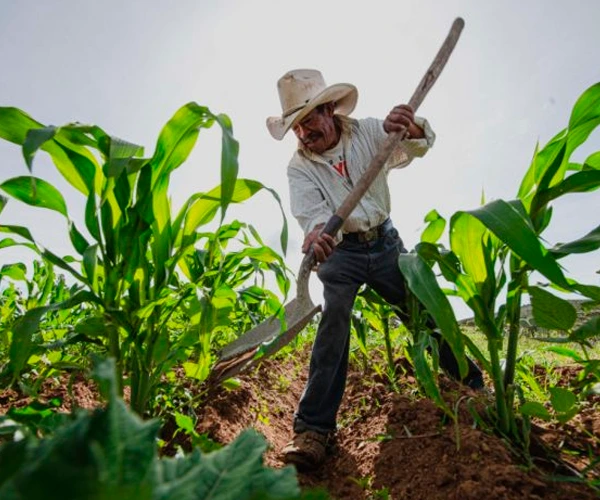
For growers across the U.S. Midwest, the announcement has been welcomed with cautious optimism. Farmers who experienced fluctuating export demand over recent years believe the agreement could provide greater stability as planting decisions become increasingly tied to international markets. Grain elevators and shipping companies also expect stronger activity as export volumes gradually increase during the coming seasons.
Agricultural economists estimate that U.S. farm exports to China could rise by more than 15 percent compared with earlier forecasts if the purchasing commitments are fully implemented. The additional demand may help support commodity prices at a time when global grain supplies remain under pressure from changing weather conditions and higher production costs.
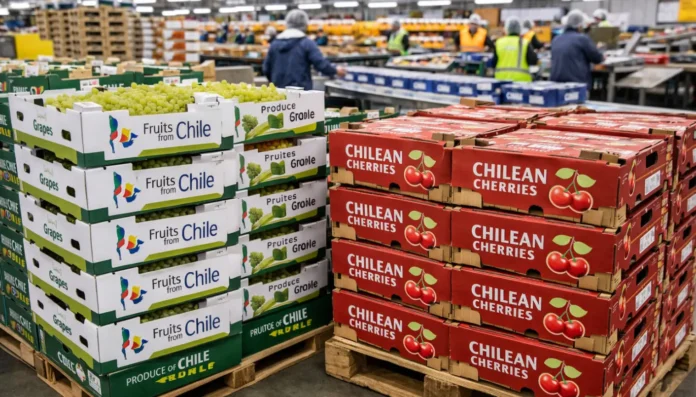
The impact extends well beyond the United States and China. Major agricultural exporters such as Brazil, Argentina and Australia are closely monitoring developments as increased Chinese purchases from the United States could alter established trade flows. Some suppliers may look for alternative buyers while others could focus on higher value agricultural products to remain competitive.
Consumers may also feel indirect effects. A steadier supply relationship between Washington and Beijing could reduce volatility in international food markets, particularly for animal feed ingredients and oilseeds that influence meat and dairy production worldwide. Industry analysts believe more predictable trade patterns could ease price swings that have affected food manufacturers over the past several years.
Current trade data for 2026 show that China remains one of the largest agricultural importers in the world, while the United States continues to rank among the leading exporters of grains and oilseeds. The renewed cooperation arrives as global food demand continues to grow and governments seek to strengthen supply chain resilience following years of geopolitical and climate related disruptions.
Looking ahead, market specialists expect the agreement to encourage additional investment in farming technology, storage capacity and export infrastructure. If annual purchasing targets are consistently achieved, bilateral agricultural trade could reach record levels before the end of the decade. However, experts note that the long term outlook will still depend on market conditions, harvest quality and the broader political relationship between the two countries.