Arabfields, Farah Benali, Economic Correspondent, China — China has unveiled a strategic plan to expand and strengthen agricultural insurance, as the government seeks to protect farmers’ incomes and reinforce national food security amid production and market risks.
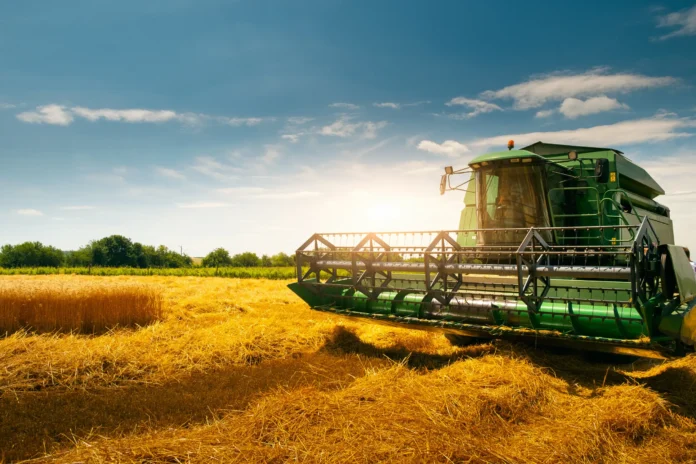
The roadmap calls for broader insurance coverage across key agricultural products, including rice, wheat, corn and soybeans. Authorities aim to develop policies covering the full costs of production and insurance products linked to planting income, providing farmers with greater financial protection against losses.
For farmers, the initiative could offer additional support when adverse weather, crop damage or changing market conditions affect their livelihoods. Agricultural insurance is designed to reduce some of the financial uncertainty associated with farming, where a single poor harvest can have consequences for household income and future production decisions.
The plan also targets a wider range of agricultural commodities, including cotton, oilseeds, sugar crops and rubber. Other products identified in the roadmap include potatoes, rapeseed, peanuts, sugar beets and highland barley.
By broadening coverage, China is seeking to strengthen the insurance system across different agricultural sectors and production regions. The approach reflects the government’s wider focus on agricultural stability and the protection of food supplies.
Livestock insurance is another area highlighted in the strategy. The government has called for improvements through the adoption of tracking and monitoring technologies, which could help insurers and farmers improve risk assessment and the management of insured animals.
The expansion of agricultural insurance also has implications for the country’s insurance industry. Insurers will need to develop products adapted to different crops, production costs and regional risks, while maintaining the capacity to manage claims and agricultural losses.
Looking ahead, broader coverage of production costs and planting income could increase the role of insurance in farmers’ financial planning. The pace of implementation, however, will depend on regulatory measures, insurer participation and the practical accessibility of policies for agricultural producers.
China’s agricultural insurance strategy is expected to remain closely linked to its food security objectives. As the country seeks to strengthen agricultural resilience, the development of insurance products could provide an additional mechanism for supporting farmers and managing risks across the agricultural supply chain.