Arabfields, Sophia Daly, Financial Analyst specialized in Agriculture and Futures Markets — Global grain production prospects for the 2026/27 season have improved in some areas, but the overall outlook remains constrained by adverse weather, shrinking supplies in key producing regions and rising pressure on food markets.
Updated estimates point to a complicated agricultural season, with higher expectations for some crops failing to offset production losses elsewhere. The developments are likely to influence international grain prices, food import costs and the livelihoods of farmers who are already facing higher input expenses and unpredictable weather.
For farmers, the challenge extends beyond the size of the harvest. Fertiliser, fuel and transport costs, combined with water shortages and extreme temperatures, are making production decisions increasingly difficult. A larger projected harvest in one region does not necessarily translate into lower prices or improved access to food in importing countries.
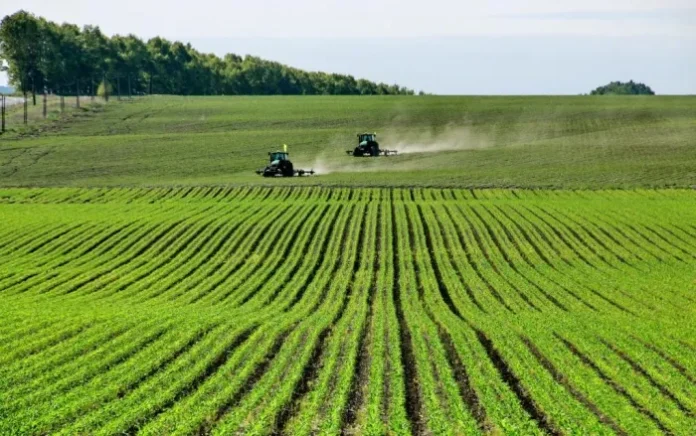
Global cereal production for 2026 has been revised down by 3.4 million metric tons to approximately 2.98 billion tons, according to figures reported by the Food and Agriculture Organization. The estimate represents a decline of about 2% from the previous year, marking the largest annual reduction since 2018.
The pressure is particularly visible in Europe, where drought and heat have affected maize production. The European Commission expects the region’s 2026 maize harvest to reach about 50.1 million metric tons, nearly 20% below its recent average. In countries such as Hungary and Romania, weaker yields are putting pressure on farmers and reducing exportable supplies.
The impact is also being felt in Asia. India’s rice production is expected to fall to approximately 144 million tons in 2026, compared with 154 million tons in the previous year. Reduced rainfall and a contraction in the area planted with summer rice have weakened the country’s production outlook. However, substantial reserves could help limit immediate disruptions to domestic supply and exports.
In international markets, lower production expectations are emerging alongside stronger concerns over food security. The FAO Food Price Index rose to 133.3 in August, up from 130.8 in July, reaching its highest level since late 2022. Cereal prices have also increased as weather-related losses and geopolitical disruptions affect supply routes.
For consumers in grain-importing countries, including across North Africa, the consequences could extend to flour, animal feed and other food products. Importers may face greater volatility in purchasing costs if harvest losses coincide with logistical disruptions or stronger demand.
The outlook for the remainder of the 2026/27 season will depend heavily on weather conditions, planting decisions and the ability of major exporters to maintain shipments. Countries with stronger harvests may benefit from increased demand, while nations facing production shortfalls could become more dependent on imports.
If current supply pressures persist, grain markets may remain sensitive to weather developments and changes in export availability over the coming months. A recovery in production in affected regions could ease some pressure, but continuing climate risks suggest that volatility will remain a concern for farmers, traders and consumers.
The latest estimates therefore offer a mixed picture for global agriculture. While some production forecasts have improved, the broader market continues to face the challenge of meeting food demand amid uneven harvests, rising costs and increasingly uncertain growing conditions.