Arabfields, Farah Benali, Economic Correspondent, China — Beijing is reshaping its agricultural priorities this year, moving beyond simple crop volume targets to construct a more resilient and technologically integrated food system.
The latest policy directives emphasize climate adaptation, digital farming, and diversified protein sources, signaling a mature phase in the nation’s approach to domestic food security that will ripple through global supply chains.
Official data indicates that the summer grain output reached a historic 150.74 million tonnes this year, contributing to a projected total annual grain harvest of 716 million tonnes. However, the policy focus has decisively shifted.
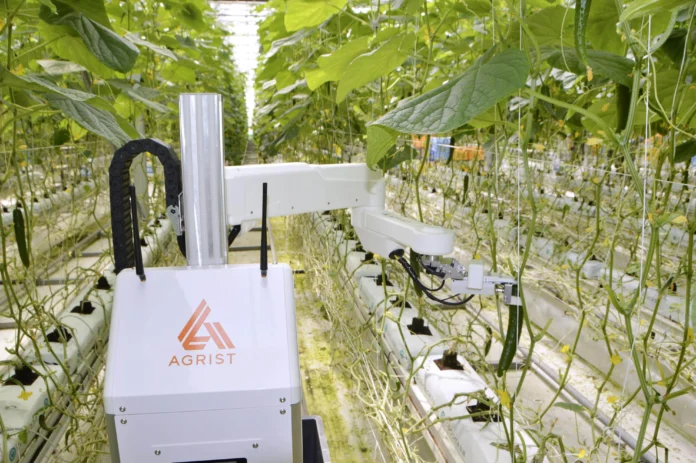
Rather than merely maximizing yield at all costs, state resources are now heavily directed toward smart agriculture networks, drought resistant seed varieties, and sustainable aquaculture. This recalibration aims to insulate the domestic market from extreme weather volatility while reducing the environmental footprint of intensive farming.
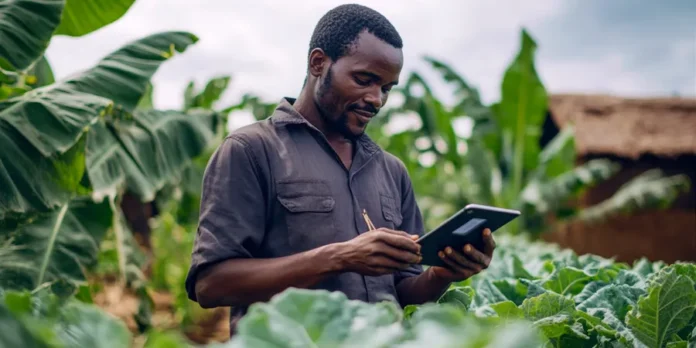
On the ground in Shandong province, this transition is already altering daily operations. Li Wei, a fourth generation wheat farmer, recently integrated soil moisture sensors and automated irrigation systems into his 50 hectare plot through a local agricultural cooperative.
He notes that real time data transmitted to his phone has replaced the guesswork of traditional weather watching. For Li, the change means lower input costs and a more predictable harvest, a sentiment increasingly common across the country’s major producing regions as climate anomalies become more frequent.
Looking ahead, the data underpinning this agenda points to specific long term market shifts. Projections indicate that by 2030, the supply of high quality aquatic products will see a targeted expansion, while the total area of waters used for fisheries will remain strictly capped to ensure ecological balance.
Additionally, the reliance on chemical fertilizers is forecast to drop significantly as precision agriculture tools become standard issue. These domestic efficiencies will inevitably alter external purchasing behavior. Import demand for bulk feed grains is expected to stabilize, while the appetite for specialized agricultural technology and high value tropical commodities from African and Latin American partners will grow.
Market analysts are closely monitoring how this internal stabilization will affect global commodity pricing. As the country reduces its vulnerability to external supply shocks through technological self reliance, international traders are adjusting their long term contracts.
The ripple effects are already visible in futures markets, where volatility in staple crops has begun to compress. Ultimately, this strategy ensures the nation remains a dominant force in global agriculture, not merely as a volume buyer, but as a highly calibrated market that dictates the rhythm of international harvests.