Arabfields, Farah Benali, Economic Correspondent, China — China’s fresh produce sector has undergone a profound transformation in recent years, driven by an ambitious push toward modernisation that integrates cutting-edge science and technology into every aspect of production. This shift has already delivered remarkable results, with agricultural output rising by an impressive 64 per cent, a figure that underscores the effectiveness of moving away from traditional, labour-intensive methods toward sophisticated approaches relying on automation, biotechnology, and data analytics. As these innovations take deeper root, the implications for food security, economic growth, and global trade in fresh fruits and vegetables become increasingly significant, setting the stage for even greater advancementsure.
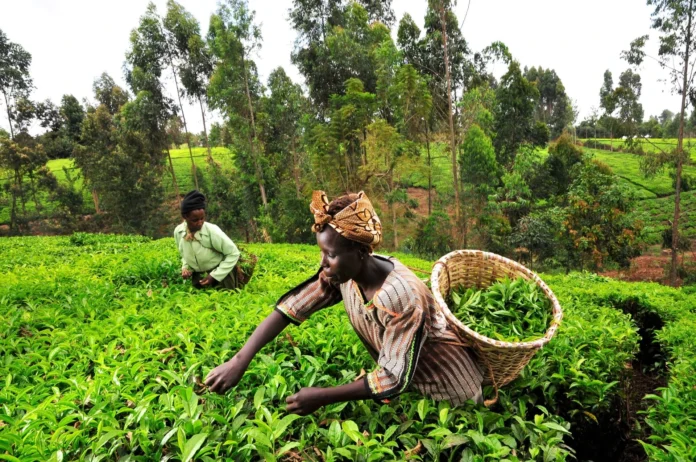
The modernisation drive has fundamentally altered how fresh produce is grown across China’s vast farmlands. Where once farmers depended heavily on manual labour and rudimentary tools, now advanced systems are enhancing efficiency and yield consistency. High-standard farmland, equipped with state-of-the-art irrigation and drainage infrastructure, has proven instrumental in boosting productivity, allowing crops to thrive even under varying weather conditions. The commitment to expanding this infrastructure remains strong, with substantial investments directed toward establishing and upgrading millions of hectares annually. This ongoing expansion not only elevates current output levels but also builds resilience against climate challenges, ensuring that fresh produce supply chains remain robust and reliable.
A particularly noteworthy advancement lies in the seed industry, where domestically developed varieties are gaining ground rapidly. In categories such as broccoli, where China once faced limitations in yield potential compared to international standards, homegrown seeds are now closing the gap and, in many cases, surpassing expectations. This progress reflects broader efforts to achieve greater self-reliance in agricultural inputs, reducing dependency on imported seeds and strengthening the foundation of the entire fresh produce ecosystem. As these domestic varieties continue to improve in quality and adaptability, they promise to deliver higher nutritional value and better resistance to pests and diseases, qualities that will directly benefit consumers and exporters alike.
Mechanisation has emerged as another cornerstone of this transformation, with comprehensive rates for crop cultivation, planting, and harvesting climbing steadily. By 2025, this rate had reached 76.7 per cent, a milestone that highlights how tailored machinery is now addressing long-standing challenges, particularly in hilly and mountainous regions where standard equipment previously fell short. Innovations in machine design and performance have made it possible to bring automation to terrains that were once considered impractical for such technologies, thereby unlocking additional productive capacity across diverse landscapes. This widespread adoption of mechanised processes reduces labour demands, minimises human error, and accelerates harvesting timelines, all of which contribute to fresher produce reaching markets faster.
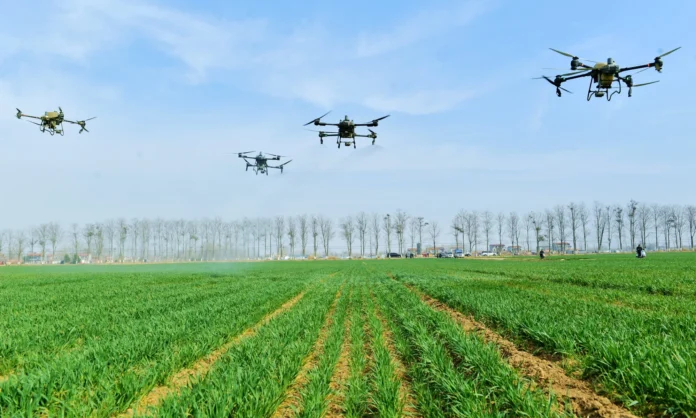
Complementing these developments is the rapid rise of agricultural robotics and unmanned systems. China now operates hundreds of thousands of agricultural drones that perform critical tasks ranging from precise pesticide application to detailed crop monitoring. These drones cover tens of millions of hectares each year, providing farmers with real-time data that informs decision-making and optimises resource use. The integration of such technologies represents a leap forward in precision agriculture, where inputs like water, fertilisers, and chemicals are applied exactly where and when needed, leading to reduced waste and environmental impact while maximising yields.
Looking ahead, the trajectory established by these modernisation efforts points to a future of sustained and accelerated growth in China’s fresh produce production. With mechanisation already at over three-quarters of operations and continuing to climb, it is reasonable to anticipate rates approaching 90 per cent or higher within the next decade, as ongoing research refines machinery for even the most challenging environments. The expansion of high-standard farmland, building on recent large-scale investments, will likely add tens of millions more hectares of highly efficient growing space, driving further substantial increases in overall output, potentially pushing annual production growth into double digits in key categories of fruits and vegetables.
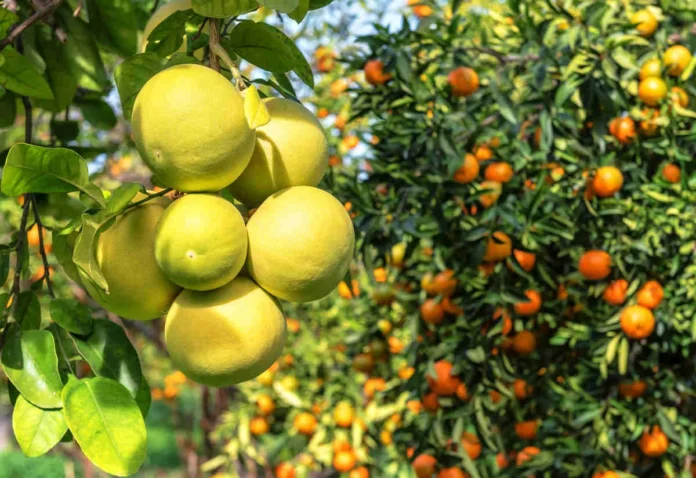
Domestic seed development, having already made rapid strides in vegetables, is poised to extend similar successes to a broader range of fresh produce, including high-value fruits where import reliance has historically been notable. As market share for homegrown seeds continues its upward trend, China could achieve near-complete self-sufficiency in this critical area within the coming years, lowering costs for growers and enhancing food sovereignty. This, in turn, would bolster the competitiveness of Chinese fresh produce on the global stage, opening new export opportunities and contributing to a more balanced international trade dynamic.
The proliferation of drones and related smart technologies suggests an even more data-driven future for the sector. With current coverage already spanning vast areas, future expansions could see these systems integrated into comprehensive farm management platforms that use artificial intelligence to predict harvests, detect early signs of stress in crops, and automate entire growing cycles. Such advancements would not only elevate yields further but also promote sustainable practices by minimising chemical usage and conserving water resources, aligning production growth with environmental goals.
Economically, these trends forecast a strengthened role for fresh produce in China’s agricultural economy, with higher efficiencies translating into lower production costs and greater profitability for farmers. Urbanisation and rising incomes will continue to fuel domestic demand for premium, high-quality fruits and vegetables, while improved infrastructure and technology ensure supply can keep pace. On the international front, as quality and consistency improve alongside volume, Chinese fresh produce is likely to capture larger shares of global markets, particularly in Asia and beyond, where proximity and reliability offer distinct advantages.
In essence, the modernisation of China’s fresh produce production represents more than incremental change, it signals a comprehensive reimagining of agriculture that leverages technology to meet the needs of a growing population and a dynamic world. The foundations laid through increased mechanisation, superior farmland development, advanced seeds, and intelligent systems provide a clear path toward a future where output is not only higher but also more sustainable, resilient, and innovative. As these efforts mature, the sector stands ready to deliver abundant, high-quality fresh produce for decades to come, solidifying China’s position as a powerhouse in global agriculture.