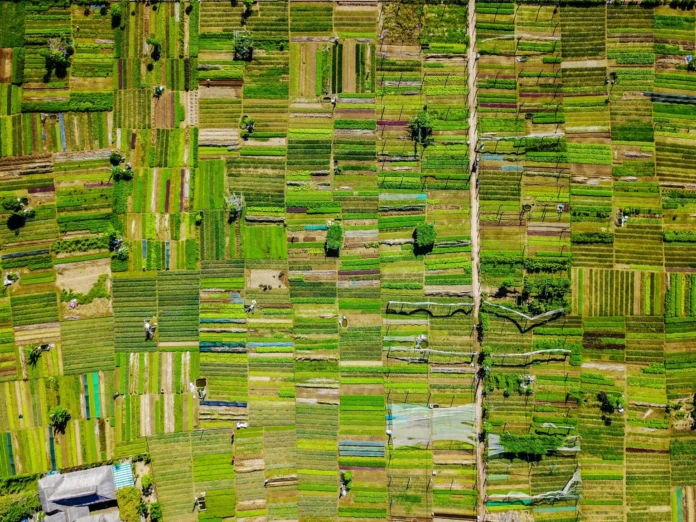
Arabfields, Sophia Daly, Financial Analyst specialized in Agriculture and Futures Markets — Algeria’s agricultural sector stands at the threshold of a transformative era, driven by substantial government investment, technological advancements, and a strategic focus on food security and export potential. As the country continues to diversify its economy away from hydrocarbons, agriculture has emerged as a cornerstone of national development, contributing significantly to GDP and employment while addressing the growing demand for domestic food production. With vast arable lands, particularly in the southern regions, and ongoing efforts to expand irrigated areas, the sector is poised for robust growth in 2026, offering a landscape rich with opportunity and optimism.
The overall value of Algeria’s agriculture market is projected to reach approximately 35 billion USD in 2026, building on a strong foundation from previous years where it hovered around 33 to 34 billion USD. This expansion reflects a compound annual growth rate of around 4 percent, fueled by increased budgetary allocations and private sector involvement. The government has committed over 5.8 billion USD to the sector in the 2026 budget, marking a 4 percent increase from the prior year, with the majority of funds directed toward rural development, modernization of infrastructure, and enhancement of production capacities. These investments underscore a clear commitment to elevating agriculture as a driver of economic resilience, particularly in a nation where the sector already accounts for more than 12 percent of GDP and employs a substantial portion of the workforce.
Among the most strategic productions, cereals remain a priority due to their role in achieving food self-sufficiency. Wheat and barley cultivation has seen steady progress, with projections for the 2025/2026 season indicating wheat output approaching 3 million metric tons, supported by expanded sowing areas and improved seed varieties. Barley production is expected to hold stable or increase modestly, contributing to overall grain yields that could help reduce import dependencies. These gains are bolstered by initiatives to reclaim and irrigate southern lands, where thousands of hectares are being brought under cultivation for strategic crops like wheat, corn, and legumes. By 2026, these efforts are anticipated to push cereal production higher, potentially nearing 4 to 5 million tons in combined outputs under favorable weather conditions and continued technological adoption.
Olive cultivation and olive oil production represent another flagship success story, positioning Algeria as a rising powerhouse in the Mediterranean region. The 2025/2026 season is forecasted to deliver a record-breaking olive oil yield exceeding 150,000 tons, a remarkable 76 percent increase from the previous year and the third consecutive annual rise. This surge stems from expanded olive groves, modern pressing facilities, and better pest management practices, transforming olives into a high-value export commodity. Alongside this, date production continues to thrive, with Algeria maintaining its status as one of the world’s leading producers. In 2026, optimized harvesting and processing techniques are expected to enhance both volume and quality, opening doors to greater international markets for premium varieties like Deglet Nour. These Mediterranean staples not only bolster domestic supply but also promise substantial foreign exchange earnings through exports.
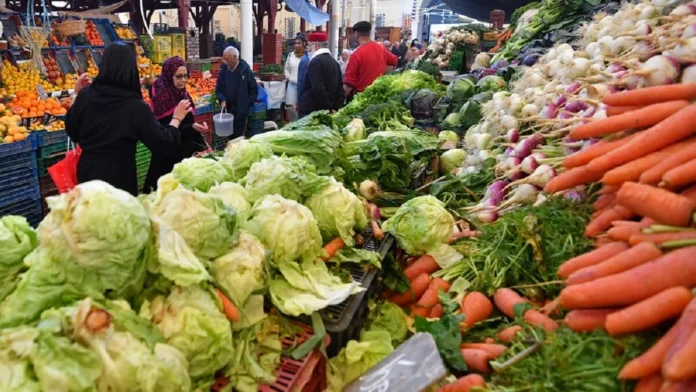
The fruits and vegetables segment adds further vibrancy to the agricultural outlook, with the market valued at around 3.7 billion USD in 2026 and on track to grow significantly in the coming years. Potatoes, tomatoes, and other horticultural products have consistently ranked among the top outputs, with annual productions in recent years exceeding 4 million tons for potatoes alone. Enhanced greenhouse farming, drip irrigation systems, and cold-chain infrastructure are set to drive yields higher in 2026, enabling year-round production and reducing post-harvest losses. This focus on horticulture aligns with broader goals of nutritional security and diversification, creating a resilient supply chain that can meet urban demand while exploring export niches in Europe and Africa.
Livestock and dairy also feature prominently in the strategic vision, with large-scale projects aimed at boosting milk and meat production. Ambitious partnerships, including international investments exceeding billions of dollars, target annual outputs that could cover substantial portions of national needs, such as over 1.7 billion liters of milk through integrated farming and processing operations. These developments, combined with vaccination programs and modern breeding facilities, are projected to strengthen the sector’s contribution in 2026, fostering integrated agro-industrial chains that add value to primary production.
The opportunities for business in Algeria’s agricultural sectors are abundant and inviting for both domestic and foreign investors. Modernization efforts create demand for advanced irrigation technologies, precision farming tools, and agritech solutions tailored to arid conditions, including drones, satellite monitoring, and artificial intelligence for yield optimization. Organic farming presents a growing niche, as global demand for certified products rises, while export-oriented horticulture offers pathways to premium markets in Europe and the Middle East. Agro-processing industries, from olive oil refining to date packaging and fruit canning, stand out as high-return ventures, supported by government incentives for value addition. Vast tracts of underdeveloped land in the south provide scope for large-scale projects in livestock breeding, grain cultivation, and greenhouse developments, often with attractive land concessions and tax benefits. Furthermore, the push for smart farming and digital agriculture opens avenues for technology providers, while import substitution policies encourage investments in seeds, fertilizers, and machinery production. Partnerships in dairy and poultry farming, as evidenced by recent multi-billion-dollar deals, highlight the potential for joint ventures that combine foreign expertise with local resources.
Looking ahead, 2026 promises to be a pivotal year for Algeria’s agriculture, characterized by sustained growth, innovation, and integration into global value chains. With production records in key commodities, expanded market value, and a supportive policy framework, the sector is not merely recovering but actively thriving. This positive trajectory not only enhances food security and rural livelihoods but also positions Algeria as an attractive destination for agricultural investment, heralding a future where the nation’s fertile potential is fully realized.