Arabfields, Adel Serai, Economic Analyst — In a significant step toward strengthening bilateral ties and bolstering food security in North Africa, Italy has extended substantial support to Tunisia through the delivery of advanced agricultural equipment aimed at modernizing state-owned farms. This initiative, centered on the vast Chaal agricultural exploitation in Sfax, marks a pivotal moment in the ongoing collaboration between the two nations, promising enhanced productivity and sustainable development in one of Tunisia’s most critical sectors.
The recent ceremony held at the Chaal farm highlighted the tangible outcomes of this partnership, where 88 Italian-manufactured tractors, complete with tanks and trailers, along with additional agricultural materials and equipment, were officially handed over. Acquired through funding from Italian Cooperation totaling approximately 6.5 million euros, these machines represent more than just machinery; they embody a commitment to revitalizing Tunisia’s domanial lands managed by the Office des Terres Domaniales. The event drew high-level participation, including Tunisia’s Minister of Agriculture, the Italian Ambassador to Tunisia, and the Director of the Italian Agency for Cooperation and Development, underscoring the diplomatic weight behind this agricultural boost.
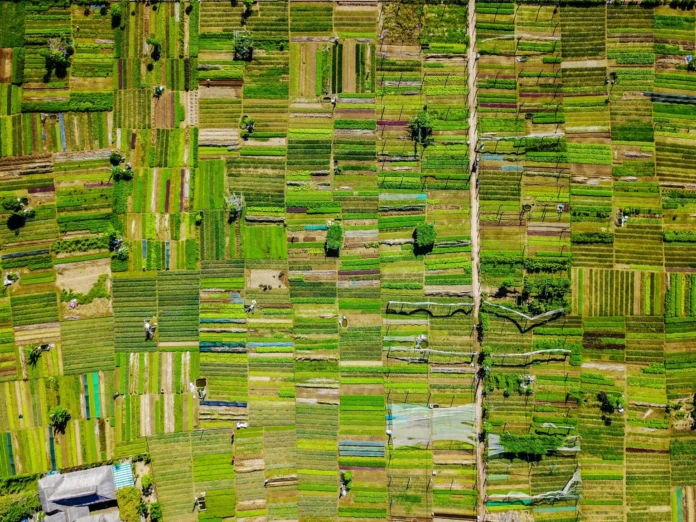
At the heart of this effort lies the Chaal exploitation, an expansive agro-combinat spanning over 30,000 hectares, recognized as the largest of its kind in North Africa. This immense property serves as a cornerstone of Tunisia’s agricultural landscape, particularly renowned for its extensive olive groves that contribute significantly to the nation’s olive oil production, a commodity of global repute. By equipping this flagship operation with state-of-the-art tractors and tools, the initiative directly targets an increase in output, addressing longstanding challenges such as outdated equipment that has hampered efficiency in state-managed farmlands.
This specific allocation of 6.5 million euros forms part of a much larger Program of Aid to the Balance of Payments, a comprehensive Italian aid credit totaling 145 million euros dedicated to supporting public investments in Tunisia. Within this framework, more than 58 million euros have been directed toward the agricultural domain alone, facilitating the procurement of high-technological-value equipment and installations sourced from Italy. Such targeted investments not only introduce cutting-edge technology to Tunisian fields but also foster economic ties by promoting Italian manufacturing expertise in a region where agricultural modernization is urgently needed.
The implications of this support extend far beyond the immediate delivery of tractors. In the coming years, the integration of these advanced machines into daily operations at Chaal and other domanial exploitations is expected to yield substantial gains in productivity. With improved mechanization, tasks that once required extensive manual labor or relied on aging equipment will be streamlined, allowing for faster plowing, harvesting, and irrigation processes. This efficiency boost will likely translate into higher yields from the vast olive orchards, potentially increasing Tunisia’s overall olive oil output by notable margins as the equipment reaches full utilization.
Looking ahead, the modernization drive could position Chaal as a model for sustainable agriculture across Tunisia and the broader North African region. Enhanced production capabilities may lead to greater self-sufficiency in key crops, reducing reliance on imports and stabilizing food prices domestically. As olive groves benefit from better maintenance and timely interventions enabled by the new tractors, the quality of produce is anticipated to rise, opening doors to expanded export markets, particularly in Europe where Tunisian olive oil already enjoys a strong reputation. This could result in increased foreign exchange earnings, providing a vital economic lifeline amid global fluctuations in commodity prices.
Furthermore, the technological infusion from Italy, known for its precision engineering in agricultural machinery, promises long-term durability and reduced downtime compared to older models. Farmers and workers at these state farms will experience improved working conditions, with safer and more ergonomic tools that minimize physical strain. Over the next decade, as maintenance protocols are established and local technicians are trained on these Italian systems, operational costs are projected to decrease, freeing up resources for further investments in soil health, water management, and pest control.
The broader 145 million euro program, with its heavy emphasis on agriculture through the 58 million euro allocation, signals a sustained commitment that could inspire additional phases of cooperation. Future extensions might focus on complementary areas such as renewable energy integration in farms, like solar-powered irrigation systems, or advanced data analytics for crop monitoring, building on the foundation laid by this equipment delivery. If similar investments continue, Tunisia’s state-owned agricultural lands could see a transformation akin to modern European standards, where technology drives both yield and environmental stewardship.
In the context of regional challenges, including climate variability and water scarcity, this Italian support arrives at a crucial juncture. The new equipment will enable more precise resource use, such as targeted watering through attached tanks, helping mitigate drought impacts that have periodically affected North African agriculture. Projections suggest that, with consistent implementation, production at sites like Chaal could stabilize and even grow by 20 to 30 percent within five years, assuming favorable weather and ongoing technical support. This uplift would not only strengthen Tunisia’s position as a leading olive oil producer but also contribute to job retention and creation in rural areas, where agriculture remains a primary employer.
Economically, the ripple effects are poised to be profound. Higher agricultural output from modernized domanial farms will bolster Tunisia’s GDP contribution from the sector, which has historically been a backbone of the economy. Enhanced exports, particularly to Italy and other EU nations, could deepen trade relations, fostering a virtuous cycle of investment and growth. As Chaal’s olive groves thrive under improved management, the farm’s role as a North African agricultural pillar will be reinforced, potentially attracting further international partnerships and positioning Tunisia as a hub for agrotechnological innovation in the Mediterranean basin.
On a human level, this initiative reflects a shared vision between Tunisia and Italy, two nations linked by geography and history across the Mediterranean. The presence of top officials at the handover ceremony highlights mutual trust and a forward-looking approach to development aid. In the years to come, as these tractors plow the fields of Chaal and beyond, they will symbolize not just mechanical progress but a bridge toward greater prosperity, where modern tools empower traditional farming practices to meet the demands of a changing world.
Ultimately, this Italian-backed modernization effort lays the groundwork for a resilient agricultural future in Tunisia. With increased production capacity, improved efficiency, and potential for expanded cooperation, the state domanial exploitations are set to evolve into engines of sustainable growth. As the benefits unfold over the coming seasons, from bountiful harvests to economic stabilization, this partnership stands as a testament to how targeted international support can cultivate lasting change in vital sectors, ensuring that Tunisia’s agricultural heritage flourishes well into the future.