Arabfields, Sophia Daly, Financial Analyst specialized in Agriculture and Futures Markets — The global mango market showed renewed momentum on May 22, 2026, as rising international demand and expanding export activity strengthened the position of one of the world’s fastest-growing fruit industries. Producers across Asia, Latin America and Africa are increasing shipments this season, even as climate pressures and transportation costs continue to challenge supply chains.
International mango prices remained relatively stable during the second quarter of 2026 after strong harvests in India, Mexico and Thailand helped maintain global supply. Importers in Europe and the Gulf region reported higher purchasing activity ahead of the summer season, particularly for premium varieties destined for supermarkets and luxury food retailers.
India, the world’s largest mango producer, is expected to harvest more than 28 million tonnes in 2026, accounting for nearly half of global production. Export volumes from the country also increased after improved logistics and stronger demand from the Middle East, the United Kingdom and Southeast Asia boosted trade activity.
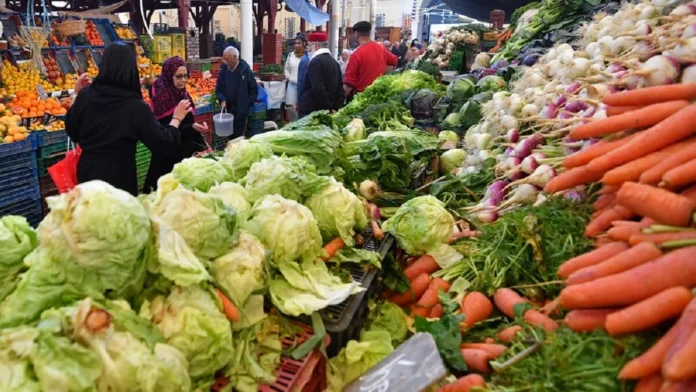
At wholesale fruit markets in Dubai and Rotterdam, traders described stronger competition among importers seeking high-quality mango shipments from South Asia and Latin America. Exporters said refrigerated transport capacity has improved compared with previous years, helping reduce delays and product losses during long-distance shipments.
Global mango production is projected to exceed 65 million tonnes this year, supported by expanding cultivation areas in countries such as Peru, Pakistan and Kenya. Analysts believe worldwide consumption will continue rising as mango-based beverages, desserts and processed fruit products gain popularity among younger consumers.
Farmers, however, continue facing environmental uncertainty. In several producing regions, irregular rainfall and heat waves affected flowering cycles earlier this season, raising concerns about fruit size and quality consistency. Some growers in southern Asia reported harvest delays after unusually high temperatures accelerated ripening periods.
The mango export sector is also adapting to stricter international food safety standards. European and North American importers are increasing inspections related to pesticide use, packaging quality and cold-chain management. Producers investing in modern storage and certification systems are gaining better access to premium international markets.
Retail demand for organic and sustainably sourced mangoes has also expanded in 2026. Supermarket chains in Europe reported stronger sales of certified fruit products as consumers increasingly favor environmentally responsible suppliers. Industry groups say this trend may reshape production strategies during the next decade.
Market forecasts suggest global mango trade could grow by more than 5% annually through 2028, driven by urban population growth and rising fruit consumption in developing economies. Economists expect Asia and the Middle East to remain the main engines of demand, while African exporters could gain larger market shares if infrastructure investments continue improving.
For growers and exporters, the coming years are likely to bring both opportunity and pressure. As demand rises worldwide, the mango industry must balance expansion with climate resilience, food safety requirements and changing consumer expectations in an increasingly competitive global market.