Arabfields, Sophia Daly, Financial Analyst specialized in Agriculture and Futures Markets — The global coffee market entered a new phase on May 22, 2026, as falling prices, record export forecasts and changing trade flows reshaped the industry after two years of extreme volatility. Traders, exporters and café owners across Europe, Asia and the Americas are now adapting to a market that is no longer driven only by shortages, but increasingly by expectations of oversupply.
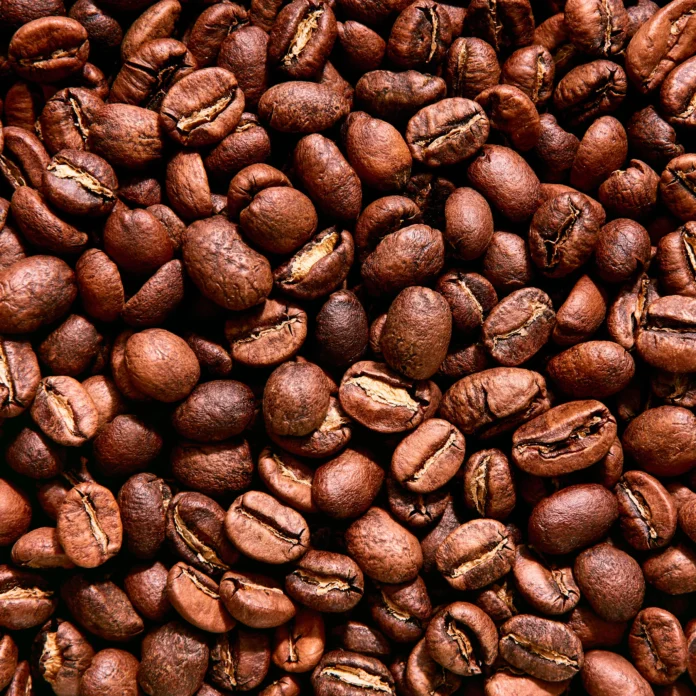
Arabica coffee futures dropped to around 271 U.S. cents per pound this week, nearly 25% lower than the peak levels recorded in early 2025. Despite the decline, prices remain historically elevated compared with pre-pandemic averages, keeping pressure on retailers and consumers worldwide.
In Brazil, the world’s largest coffee producer, exporters are preparing for what could become the country’s strongest shipping season on record. Industry estimates suggest Brazil may export close to 50 million bags during the 2026 and 2027 crop cycle, supported by improved harvest conditions and stronger production in key growing regions. Vietnam, another major supplier, has also increased robusta shipments after favorable rainfall improved crop prospects earlier this year.
At a coffee roasting facility in Milan, workers said contracts that once changed weekly are now being renegotiated monthly as buyers attempt to secure lower prices before another market swing. Several importers in Europe reported that freight costs and currency fluctuations remain unpredictable, even as raw bean prices cool.
Global coffee production is expected to approach 180 million bags in the 2026 and 2027 season, a level that analysts describe as historically high. Market researchers believe the sector could move into its first meaningful supply surplus since before the pandemic. The increase is largely linked to recovering harvests in Brazil, Ethiopia and Vietnam after years of drought and climate-related disruption.
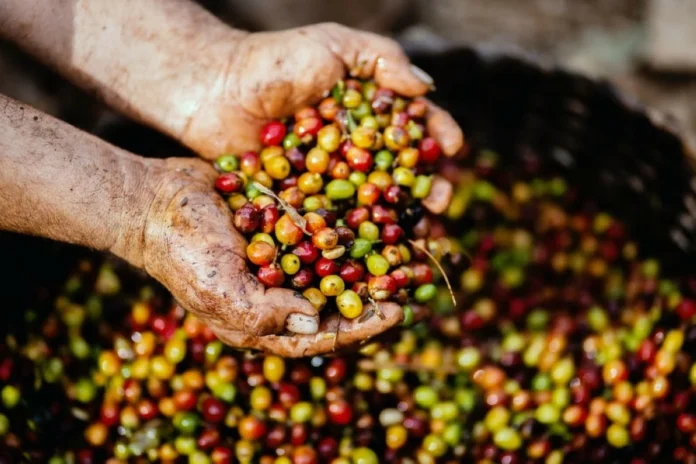
Yet uncertainty continues to dominate conversations across the industry. Farmers in Central America and parts of Africa say climate conditions remain unstable, with irregular rainfall and rising temperatures affecting flowering cycles and crop quality. In Honduras and El Salvador, some growers are already shifting plantations to higher altitudes to protect future harvests.
Coffee shop owners are also feeling the effects. In Paris and New York, several independent cafés reported slower customer traffic after beverage prices increased sharply during the past two years. Roasters say green coffee costs remain far above normal levels, forcing many businesses to reduce profit margins instead of passing the entire increase to consumers.
Trade data from early 2026 also revealed mixed signals across global import and export channels. Brazilian exports weakened earlier in the year before rebounding in the second quarter, while Asian buyers increased purchases of robusta beans for instant coffee manufacturing. Europe remains the largest importing region, although consumption growth is now stronger in the Middle East and Southeast Asia.
Analysts expect coffee prices to remain volatile through 2027. If favorable weather continues in South America, benchmark arabica prices could decline further over the next 12 months. However, supply risks linked to El Niño conditions, shipping disruptions and geopolitical tensions may quickly reverse the downward trend.
Industry forecasts suggest global demand for coffee will continue expanding by roughly 2% annually, driven by younger consumers in emerging markets and the rapid growth of premium café chains in Asia and North Africa. Economists believe this long-term demand growth may eventually stabilize prices even if short-term oversupply pressures increase.
For producers, traders and café operators, the next year may become a defining period for the coffee business. After years of shortages and record highs, the market is now entering a more complex era where abundance, climate risk and shifting consumer habits are colliding at the same time.