Arabfields, Sophia Daly, Financial Analyst specialized in Agriculture and Futures Markets — Cocoa prices recovered from early losses on Thursday and settled higher as weakness in the U.S. dollar spurred short covering among market participants. This recent movement reflects a broader pattern of volatility that has characterized the global cocoa sector throughout the current year, where prices have fluctuated amid shifting supply dynamics and currency influences. In mid March 2026, the benchmark cocoa price stood at approximately three thousand three hundred forty seven United States dollars per metric ton, marking an increase of two point six seven percent from the prior session and a monthly gain of five point three two percent. Nevertheless, this level remains substantially below the figures observed a year earlier, with a decline of fifty eight point four zero percent over the twelve month period, underscoring the significant correction that followed the extraordinary peaks of previous seasons.
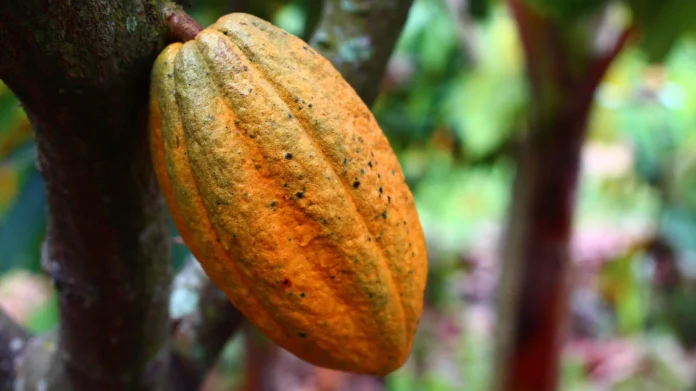
The path to this stabilization traces back to the unprecedented surge in cocoa values during late two thousand twenty four, when prices reached an all time high of twelve thousand nine hundred six United States dollars per metric ton amid severe supply constraints primarily in West Africa. Those shortages stemmed from adverse weather conditions, including prolonged droughts, combined with the spread of plant diseases that reduced yields in key producing regions such as Ivory Coast and Ghana. As a result, global cocoa output experienced a notable contraction in two thousand twenty five, dropping by twelve point nine percent overall due to these climate related shocks and associated trade pressures. Manufacturers faced elevated costs that prompted widespread demand destruction, with grindings data from major associations in Europe, North America, and Asia falling to their lowest levels since two thousand twenty in the fourth quarter of two thousand twenty four. This adjustment in processing activity contributed to a rebuilding of inventories, setting the stage for the price moderation observed entering two thousand twenty six.
Entering the new year, cocoa prices initially fell more than ten percent year on year in the first twelve days of two thousand twenty six, reaching levels around five thousand four hundred to six thousand United States dollars per ton before further easing toward four thousand four hundred dollars per ton by late January. Such declines were fueled by optimism surrounding improved harvests and favorable weather patterns across West African nations, which boosted expectations for higher production volumes. By March two thousand twenty six, however, the market demonstrated resilience through short term rebounds, as evidenced by the Thursday recovery driven by the weakening dollar index. This currency dynamic lowered the relative cost of dollar denominated commodities for international buyers, encouraging technical buying and short covering that pushed futures contracts higher despite the prevailing downward trend from earlier in the year.
Looking ahead, forecasts for the remainder of two thousand twenty six and into subsequent periods are grounded in projections of market surpluses that are expected to exert continued pressure on prices while fostering gradual stabilization. The two thousand twenty five slash two thousand twenty six cocoa season is anticipated to generate a global surplus of approximately two hundred eighty seven thousand metric tons, followed by an additional surplus of two hundred sixty seven thousand metric tons in the two thousand twenty six slash two thousand twenty seven season. These balances arise from a combination of production rebounds incentivized by earlier high prices and the lingering effects of moderated demand that have allowed stockpiles to accumulate. For instance, Ivory Coast, the world’s leading producer, is projected to harvest one point eight million tons in the upcoming season, an improvement from one point six eight million tons previously. Ghana is expected to contribute six hundred thirty thousand tons, up from around five hundred ninety thousand tons, while emerging output from Ecuador is forecasted to reach six hundred twenty two thousand five hundred tons, reflecting expanded plantings and higher yields in Latin American agroforestry systems.
These supply enhancements coincide with a broader recovery in global cocoa production capacity, although structural challenges persist in traditional West African hubs, where aging trees and disease vulnerabilities continue to limit full potential. Analysts anticipate that cocoa prices may trade at three thousand two hundred sixty nine point eight five United States dollars per metric ton by the end of the current quarter, with a further moderation to two thousand seven hundred fifty eight point six zero dollars per metric ton projected within twelve months. Alternative assessments from trader surveys suggest a more modest recovery by the close of two thousand twenty six, with New York futures potentially settling near three thousand three hundred fifty dollars per metric ton, representing a one to two percent increase from present levels yet still markedly below the two thousand twenty five year end figures. London contracts are similarly expected to reach around two thousand seven hundred fifty pounds per metric ton, an uplift of roughly sixteen to seventeen percent from early two thousand twenty six but approximately thirty seven percent lower than the prior year’s close.
The overall cocoa market, valued at fourteen point five two billion United States dollars in two thousand twenty five, is poised for sustained expansion at a compound annual growth rate of five point two seven percent through two thousand thirty two, ultimately attaining a projected value of nineteen point seven six billion dollars by that horizon. This growth trajectory is supported by rising consumer interest in premium products such as dark chocolate and organic varieties, particularly in North America and Europe, alongside initiatives promoting ethical sourcing and sustainable farming practices. Fair trade certifications and programs aimed at forest conservation have gained traction, encouraging investment in resilient production methods that diversify supply beyond West Africa. Countries in Latin America, including Ecuador, Brazil, Colombia, and Peru, have capitalized on elevated prices to enhance yields through intercropped systems, achieving averages of eight hundred kilograms per hectare compared to under five hundred kilograms per hectare in traditional regions.
Demand patterns have also evolved in response to the price environment of recent years, with manufacturers implementing reformulations and exploring alternatives to mitigate cost pressures. Chocolate producers reported cautious inventory rebuilding in two thousand twenty six as lower prices eased financial burdens, yet warnings persist that any renewed spike above seven thousand five hundred dollars per ton could trigger further rationing. In producing nations, farmgate prices have been adjusted upward in some cases, such as Ghana’s four percent increase to fifty one thousand six hundred sixty cedis per ton for the two thousand twenty five slash two thousand twenty six season, though farmer groups have noted these increments as insufficient to fully offset prior hardships. Export earnings have benefited from the earlier price surges, providing economic support to rural communities, but the shift toward surpluses now risks moderating these gains unless balanced by quality improvements and value added processing.
Broader economic implications extend to the confectionery industry worldwide, where cocoa represents a critical input for an annual trade volume exceeding billions of dollars. The United States, a major importer, sources substantial quantities of chocolate, cocoa, and confectionery products each year, while exporters in producing countries navigate currency fluctuations and logistical challenges. Sustainability efforts, including rehabilitation of farms and adoption of climate resilient varieties, are expected to play a pivotal role in long term stability, particularly as weather volatility remains a constant risk factor. Emerging producers in Southeast Asia, such as Indonesia, have stabilized output around two hundred thousand tons annually, contributing to global diversification and reducing reliance on any single region.
As the market enters a phase of equilibrium seeking, the interplay between supply recovery and demand responsiveness will determine the extent of price stabilization. Short term factors, including shipping costs and geopolitical influences, continue to introduce variability, yet the underlying data point toward a more predictable environment by the end of two thousand twenty six. Manufacturers anticipate that even at elevated levels compared to historical norms, the moderation in cocoa costs will support modest sales growth projections, with some companies revising upward their outlooks for net revenue expansion. This outlook assumes normal weather conditions and the absence of major disruptions, allowing surpluses to materialize and inventories to normalize further.
In summary, the recent recovery in cocoa prices on Thursday highlights the market’s sensitivity to currency movements and technical positioning, within a larger narrative of transition from deficit driven highs to surplus influenced moderation. With two thousand twenty six statistics indicating improved production forecasts across key nations and a global market value on an upward growth path, the sector appears positioned for cautious optimism. Future trajectories will hinge on sustained investments in sustainable practices and adaptive strategies by both producers and consumers, ensuring that cocoa remains a vital component of the global food economy while navigating ongoing environmental and economic realities.