Arabfields, Sophia Daly, Financial Analyst specialized in Agriculture and Futures Markets — Coffee and cocoa prices opened lower in New York as expectations of improved supplies weighed on both markets, encouraging traders to take profits after a period of strong price volatility.
The decline reflects a broader reassessment of agricultural commodities as producers in major growing regions prepare for the next harvests. After years of weather disruptions, tight inventories and higher production costs, signs of improving supply are giving buyers more room to wait before committing to purchases.
Coffee remains particularly sensitive to expectations for Brazil, the world’s largest producer and exporter. A better crop outlook could gradually ease concerns over availability and put pressure on futures if export flows accelerate in the coming months.
For farmers, however, the prospect of lower prices is less straightforward. Producers who benefited from elevated coffee prices over the past seasons have also faced higher costs for fertiliser, labour, fuel and farm maintenance. A sustained decline in futures could therefore narrow margins even if production improves.
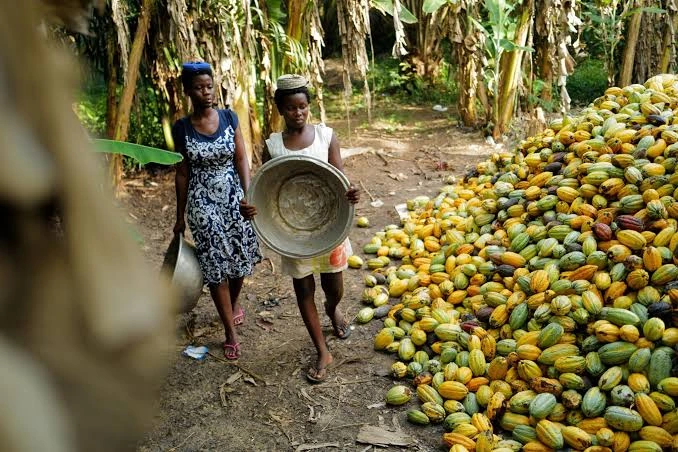
The cocoa market is facing a similar shift. Expectations of increased availability have encouraged investors to reduce bullish positions, following the extreme price swings that characterised the previous seasons. Cocoa production has been hit by weather problems and disease in West Africa, the centre of global supply, but improved conditions could help rebuild inventories.
The market remains vulnerable to sudden changes in weather. Cocoa trees are highly dependent on rainfall, while coffee production can also be affected by drought, excessive rain and temperature changes. Any deterioration in growing conditions could quickly reverse the current bearish sentiment.
Demand will be another important factor. Chocolate manufacturers have had to adjust purchasing strategies after exceptionally high cocoa prices increased raw material costs. Some consumers have also faced higher retail prices, encouraging manufacturers to reformulate products, reduce cocoa content or seek efficiency gains.
If production improves as currently expected, cocoa prices could remain under pressure through the next trading cycle. A recovery in stocks would give processors greater flexibility and could reduce the premium attached to nearby supplies. The pace of demand recovery, however, will determine how quickly the market absorbs additional production.
Coffee could face a similar pattern. Stronger Brazilian output and improved shipments would increase physical availability and potentially limit further price gains. But the market is unlikely to return to a period of consistently low prices unless production rises enough to rebuild global inventories.
For traders in New York, the next few months will therefore be dominated by crop estimates, weather forecasts and export data. Futures markets are likely to remain volatile as investors weigh the prospect of higher supply against the continuing risks posed by climate conditions.
For farmers in Brazil and West Africa, the outcome will be felt much closer to home. A period of lower international prices could provide some relief to processors and consumers, but it could also make it harder for producers to finance fertiliser, farm maintenance and investments needed to improve productivity.
The current decline in New York prices may therefore signal a change in market expectations rather than the end of volatility. If the anticipated increase in coffee and cocoa supplies materialises, prices could gradually ease further. But any significant weather disruption or renewed demand could quickly tighten the balance again.
The direction of the two markets will ultimately depend on whether higher production can arrive quickly enough to rebuild stocks. For now, traders appear to be betting that supply will improve, but the coming harvests will determine whether that optimism is justified.