Arabfields, Sophia Daly, Financial Analyst specialized in Agriculture and Futures Markets — The global coffee market is entering a period of adjustment as shifting weather patterns, changing consumer demand and evolving trade flows reshape the industry. Exporters, roasters and farmers are closely watching price movements after a volatile first half of 2026.
International coffee quotations remained elevated in June, supported by concerns over supply from major producing countries. Arabica prices traded above $2.70 per pound during parts of the month, while robusta futures stayed near multi year highs as inventories in several importing regions remained relatively tight.
According to industry estimates, global coffee production in 2026 is expected to reach approximately 178 million bags, compared with world consumption of around 181 million bags. Brazil continues to dominate exports with shipments estimated at more than 41 million bags, while Vietnam remains the leading robusta supplier with exports close to 28 million bags. The European Union and the United States together account for more than 45 percent of global coffee imports.
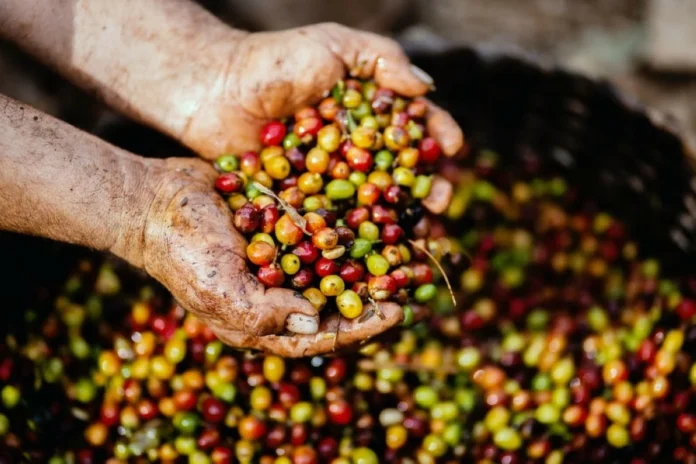
In the Brazilian state of Minas Gerais, farmer João Pereira said the market has become increasingly difficult to predict. “Some years we worry about drought, other years about excessive rain,” he explained while inspecting his coffee trees. Similar concerns are being voiced by growers in Colombia and Vietnam, where weather disruptions have affected crop development and harvesting schedules.
Importers are also adapting to changing conditions. Several European roasters have increased purchases earlier in the season to secure supplies, while some Asian buyers have diversified their sourcing strategies in response to freight costs and currency fluctuations.
Trade analysts expect global coffee exports to rise by roughly 3 percent in 2026, supported by improved logistics and stronger shipments from South America. However, the market is likely to remain sensitive to weather developments during the next flowering season in Brazil and Vietnam.
Looking ahead, industry forecasts suggest coffee prices could remain above historical averages through 2027 if supply deficits persist. A return to more favorable growing conditions may ease pressure on quotations, but demand from emerging markets in Asia and the Middle East is expected to continue expanding. As a result, many analysts believe the global coffee market will remain structurally tighter than it was before the recent wave of climate related disruptions.