Arabfields, Sana Dib, Financial Correspondent, Johannesburg, South Africa — Agriculture is gaining renewed attention in Seychelles as policymakers, farmers and business leaders work to strengthen the sector’s contribution to the national economy and reduce the country’s heavy dependence on imported food.
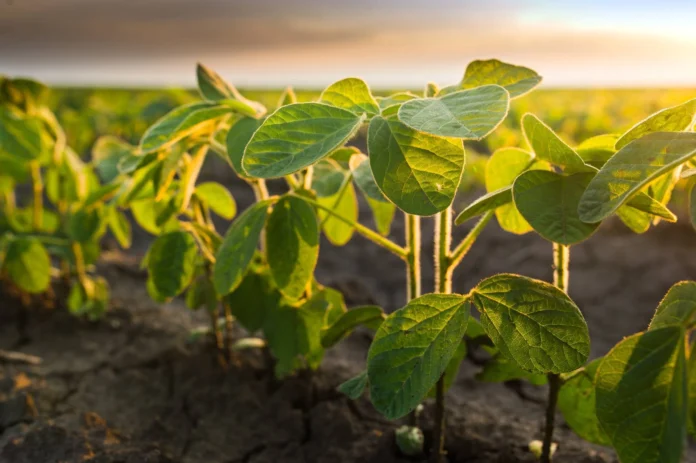
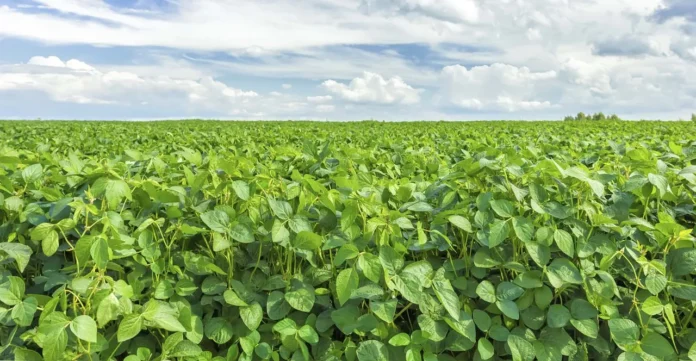
Although tourism remains the main driver of economic activity, agriculture has become a strategic priority in 2026 as the island nation seeks greater resilience against global supply chain disruptions and rising food costs. Government officials have intensified efforts to encourage domestic production through investment in modern farming techniques, greenhouse cultivation and technology that allows growers to maximize limited agricultural land.
For local farmers, the shift represents more than an economic policy. Many producers say consumers are increasingly interested in buying fresh vegetables, fruits and locally produced food, creating new opportunities for small family farms. Growers also report that younger entrepreneurs are beginning to view agriculture as a business with long-term potential rather than a declining industry.
Current economic data show that Seychelles recorded real GDP growth of about 1.5% in 2026 after a stronger expansion the previous year, while authorities continue promoting economic diversification to reduce vulnerability to external shocks. Agriculture remains a relatively small contributor to national output, but its importance has grown as food security becomes a national priority and import costs remain elevated.
Agricultural specialists believe that investments in hydroponics, vertical farming and climate-resilient production methods could significantly increase local output over the next several years. Better access to financing, technical training and modern equipment is also expected to improve productivity while creating new employment opportunities for rural communities.
Farmers acknowledge that challenges remain, including limited arable land, high production costs and climate-related risks. Even so, many believe the sector is entering a period of transformation supported by stronger public policies and growing consumer demand for locally produced food.
Looking ahead, economists expect agriculture to assume a larger strategic role in Seychelles, even if tourism continues to dominate the economy. If current investment plans and modernization efforts continue, domestic food production is projected to expand steadily before the end of the decade, helping reduce import dependence and strengthening the country’s economic resilience in an increasingly uncertain global environment.