Arabfields, Maleeka Kassou, East, West & Central Africa Agriculture Correspondent — A new battle is emerging in Ghana’s cocoa sector as farmers question legislation designed to protect cocoa-growing land from being converted to other uses.
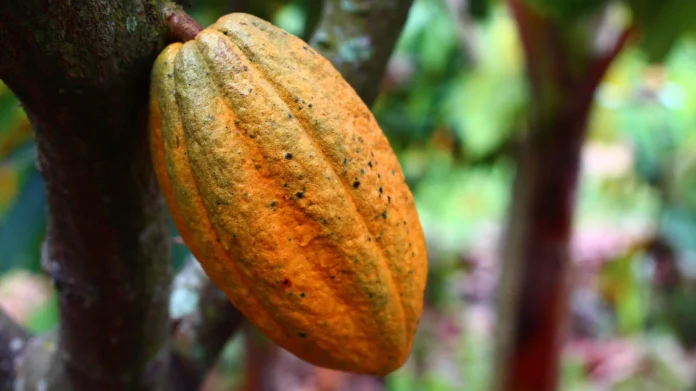
Ghana’s Parliament has approved the Ghana Cocoa Board Bill, which gives cocoa farms protected status and restricts farmers from converting their land without approval from the Ghana Cocoa Board, known as COCOBOD. The measure is intended to slow the loss of cocoa farms to illegal mining, rubber plantations and other activities, but farmers say some provisions could leave them with little control over land they have cultivated for generations.
The legislation comes at a difficult moment for Ghana’s cocoa industry. Cocoa remains one of the country’s most important export commodities, accounting for close to 15 percent of export revenue. Yet production has faced pressure from ageing farms, disease, illegal mining, changing weather patterns and rising production costs.
For farmers such as Moses Djan Asiedu, the issue is not whether cocoa farms should be protected. It is what happens when a farm is no longer capable of producing cocoa. Asiedu, who is also an administrator of the Ghana Cooperative Cocoa Farmers and Marketing Association, has argued that farmers need room to replace diseased or commercially unproductive farms with crops that can provide an income.
That concern reflects a wider tension in rural communities. Cocoa trees can take several years to mature, and farmers often invest heavily in land preparation and maintenance before receiving meaningful returns. When a farm becomes unproductive, being unable to change its use can turn an agricultural asset into a financial burden.
The government, however, sees land protection as increasingly necessary. Ghana and neighbouring Côte d’Ivoire together produce around half of the world’s cocoa, making the preservation of productive cocoa-growing areas important not only for farmers but also for the global chocolate industry.
The pressure on Ghana’s cocoa sector has also been amplified by sharp movements in international prices. Cocoa futures climbed above $12,000 per metric ton in 2024 before falling to around $4,000 as supply conditions changed. Such volatility has made the economics of cocoa farming harder to predict and has increased the importance of stable farm incomes.
The new legislation could therefore have two very different effects. If it succeeds in preventing the destruction of productive cocoa farms, Ghana could preserve more of its agricultural base and improve the prospects for a recovery in output over the coming years. If the rules are applied too rigidly, however, farmers with ageing or diseased plantations could face greater financial pressure and may become less willing to invest in new cocoa trees.
The dispute is also likely to influence the next stage of Ghana’s cocoa reforms. COCOBOD has been pushing measures aimed at improving the financial position of the sector, while the new bill includes stronger controls over cocoa production and land use. Farmers are expected to continue pressing for clearer procedures that distinguish between deliberate destruction of productive farms and legitimate rehabilitation of land that can no longer support cocoa.
President John Mahama has yet to give his assent to the bill, leaving room for further discussions between the government, COCOBOD and farmer organisations. The coming months could determine whether the legislation is adjusted before taking effect or implemented in its current form.
Looking ahead, the most likely outcome is a stronger regulatory framework around cocoa land, combined with pressure for greater flexibility for farmers. If Ghana can protect productive farms while allowing growers to rehabilitate exhausted land, the policy could help stabilise production and support export earnings over the medium term. But if farmers feel that land protection comes without adequate financial or technical support, the new rules could deepen frustration in rural communities.
For Ghana’s cocoa farmers, the argument is ultimately about more than trees and regulations. It is about whether the land that has supported families for decades can remain a reliable source of income in a sector facing some of its toughest challenges in years.