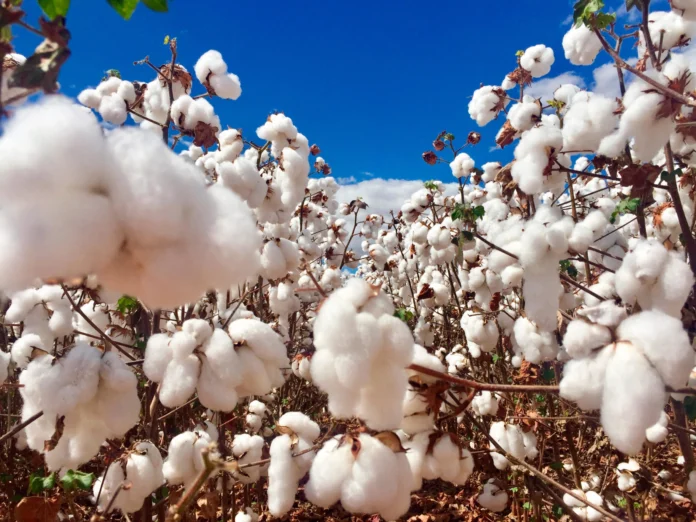
Arabfields, Sophia Daly, Financial Analyst specialized in Agriculture and Futures Markets — The global cotton market remained resilient in late June as international trade continued to benefit from stable demand across the textile industry. Exporters reported steady shipment volumes despite fluctuations in production across several growing regions, while manufacturers maintained regular purchasing activity to meet demand for apparel, home textiles and industrial fabrics.
Cotton remains one of the world’s most important natural fibers, with China, India, the United States, Brazil and Pakistan among the leading producers. Major exporting countries continued supplying international markets as import demand remained solid in Asia, Europe and the Middle East, supported by recovering textile production and resilient consumer spending.
Market quotations during the final week of June reflected generally stable conditions, with prices influenced by weather developments in key producing regions and expectations for the upcoming harvest. Traders indicated that improved logistics and steady export activity helped maintain balanced market conditions despite ongoing uncertainty surrounding production costs and global inventories.
According to 2026 market estimates, the global cotton market is valued at approximately 54 billion dollars. International trade continues to expand as textile manufacturers increase production to meet growing demand for natural fibers. Cotton remains highly competitive despite the presence of synthetic alternatives, particularly in premium apparel and sustainable textile applications.
Producers have continued investing in high-yield seed varieties, precision agriculture and water-efficient irrigation systems to improve productivity while reducing environmental impacts. Farmers interviewed during recent industry meetings said adapting to changing climate conditions and managing input costs have become essential priorities for maintaining profitability.
Importers and textile manufacturers have diversified their sourcing strategies by strengthening relationships with suppliers across multiple producing countries. Long-term supply agreements and improved inventory management have helped reduce exposure to market volatility while ensuring consistent access to raw materials.
Looking ahead, analysts expect the global cotton market to maintain moderate growth over the coming years. Rising demand for natural and sustainable fibers, continued investment in agricultural innovation and expanding textile production in emerging economies are expected to support international trade. However, weather variability, production costs and shifts in global consumer demand will likely remain the main factors influencing future prices and export volumes.