Arabfields, Mira Sabah, Special Economic Correspondent, Nairobi, Kenya — Kenya is seeking to attract investment from Thailand to expand its agro-processing industry, create jobs and increase the value of agricultural exports as the government looks to position the country as a regional hub for food manufacturing.
The initiative follows discussions between Kenya’s Agriculture Cabinet Secretary, Mutahi Kagwe, and Thailand’s Ambassador to Kenya, Jirusaya Birananda, on strengthening trade, investment and technical cooperation between the two countries.
Kagwe urged Thai companies to establish processing facilities in Kenya rather than simply purchasing agricultural commodities and transforming them abroad. The government wants more agricultural products processed locally before reaching international markets, a strategy intended to generate employment and retain a greater share of export revenues within the country.
Agriculture remains a central pillar of Kenya’s economy, contributing approximately 23% of gross domestic product. However, much of the sector’s production is still exported in relatively unprocessed form, limiting the economic benefits that could be generated through industrial transformation.
For smallholder farmers, the proposed investment could create new opportunities. Coffee growers, tea producers and avocado farmers could benefit from stronger demand, improved storage facilities and closer connections with processing companies. More local factories would also help reduce the distance between agricultural production and industrial markets.
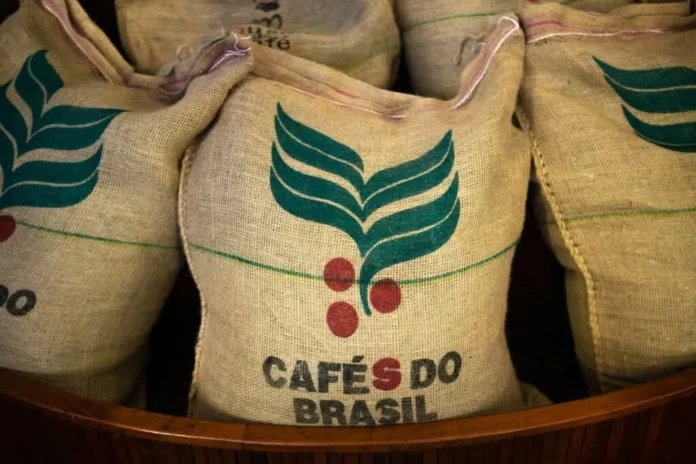
Coffee, tea and avocados have been identified as priority products for expanding exports to Thailand. Kenyan authorities are already working through the Kenya Plant Health Inspectorate Service to facilitate access for Kenyan avocados to the Thai market.
Thailand also sees opportunities in Kenya’s agricultural sector, particularly in food manufacturing, packaging, agricultural machinery, cold-chain infrastructure and transportation. Its experience in food processing could help Kenyan companies improve production standards and develop products for international consumers.
The investment discussions come as Kenya prepares to implement its National Agricultural Investment Plan for 2026-2030, which aims to mobilise approximately 1.08 trillion Kenyan shillings, equivalent to about $8.3 billion, for the development of the country’s agricultural and food systems.
Of this amount, approximately 265 billion shillings, or $2.05 billion, is earmarked for agro-industrialisation. The programme includes plans to establish between 15 and 20 major agro-industrial parks and 47 county-level aggregation and processing centres.
The government wants to increase the proportion of agricultural production processed locally from 16% to 30% by 2030. It also expects the programme to reduce post-harvest losses by half and generate more than 300,000 jobs across agricultural value chains.
These targets offer potential opportunities for Thai investors, particularly companies specialising in food processing equipment, industrial packaging, storage systems and agricultural technology.
For businesses operating in Thailand, Kenya could provide access not only to its domestic market but also to neighbouring economies across East Africa. Its strategic position and established regional trade networks make it an attractive location for companies seeking to expand their presence on the African continent.
Trade relations between the two countries are also receiving renewed attention ahead of the 60th anniversary of diplomatic relations in 2027. Both governments want to use the milestone to strengthen commercial partnerships and encourage greater private-sector participation.
Beyond investment, the discussions have included agricultural training and technology transfers. Kenya is seeking stronger partnerships between agricultural colleges in both countries, with opportunities for student exchanges and practical training programmes for farmers.
Thailand’s Khon Kaen University and the Thailand International Cooperation Agency have also agreed in principle to support a second phase of cooperation with the Kenya School of Agriculture. The proposed programme will focus on improving professional skills, water management and commercial farming practices.
A Thai delegation is expected to visit Kenya towards the end of November or in December 2026 to discuss the implementation of these initiatives.
Looking ahead, Kenya’s agro-processing industry could attract increased foreign investment over the next four years if the government succeeds in developing the planned industrial infrastructure and improving access to finance. The target of raising local processing to 30% by 2030 would represent a significant change in the country’s agricultural export model.
However, attracting investors will require more than investment incentives. Reliable electricity, efficient transport networks, access to agricultural raw materials and predictable regulations will be essential to ensure that processing facilities remain commercially viable.
For Kenyan farmers, the ultimate benefit will depend on whether new factories establish direct purchasing relationships with producers and offer stable markets for their harvests.
If the proposed partnership translates into concrete investment commitments, Kenya could gradually move from being primarily an exporter of agricultural commodities towards becoming a regional supplier of processed food products, creating new industrial opportunities while strengthening its position in African and international markets.