Arabfields, Farah Benali, Economic Correspondent, China — Malaysia’s durian industry, riding high on record exports, has been issued a firm warning to strictly adhere to existing trade protocols with China, its primary market. Deputy Agriculture and Food Security Minister Datuk Chan Foong Hin called on all players to avoid any unapproved methods, stressing that non-compliance could jeopardize the entire sector’s access to the lucrative Chinese market.
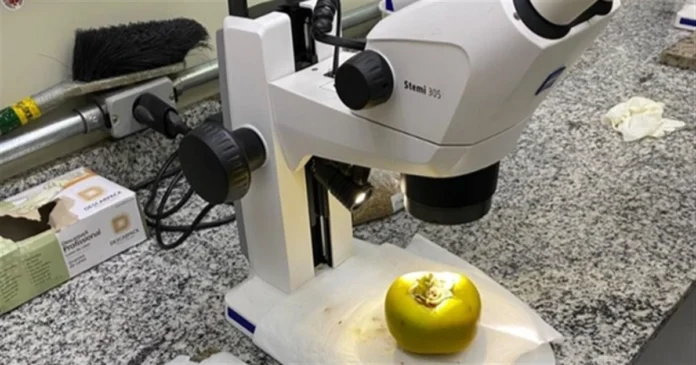
The statement, released Saturday, comes amid discussions within the industry about adopting a new pre-cut durian export method. While the government acknowledges the potential benefits, such as extended shelf life, reduced logistics costs, and broader delivery options, Chan emphasized that any new approach must be formally agreed upon by both Malaysian authorities and China’s General Administration of Customs. He urged stakeholders not to unilaterally implement methods that fall outside the scope of the current Phytosanitary Protocol, a framework established after years of negotiations.
“We cannot afford to take risks that could undermine the confidence of the Chinese authorities in Malaysia’s regulatory system,” Chan said in his statement. He stressed that the implications of non-compliance would not be limited to a single company but could have a cascading effect, damaging the reputation of Malaysian durians as a premium, tree-ripened product.
The minister’s comments were made following an engagement session with durian industry stakeholders in Putrajaya last Friday, which he chaired to discuss the proposed pre-cut method. This dialogue reflects the government’s open but cautious approach, balancing innovation with the need to protect a vital economic asset. The ministry has committed to a fact-based evaluation of all proposals, but its primary objective remains safeguarding the long-term interests of the industry and the market access secured through years of diplomatic effort.
The urgency of this warning is underscored by the industry’s immense economic value. Official statistics for 2025 show that Malaysia’s durian exports reached a staggering RM1.10 billion, with a total volume of 45,266 tonnes shipped to global markets. China continues to dominate this landscape, absorbing RM868.09 million of that total, which accounts for nearly 79% of the country’s overall durian export value. The opening of the fresh durian market to China in 2024 was a watershed moment, a direct outcome of prolonged bilateral negotiations.
Looking ahead, the future of this multi-billion ringgit sector hinges on strict regulatory compliance and a unified approach between the government and industry players. Given that fresh durian exports to China are still in their early stages, the 2025 data will likely serve as a baseline for future growth. However, stakeholders are projecting even stronger demand as the Chinese middle class continues to expand, potentially driving export figures to surpass RM1.5 billion by 2028 if current market conditions persist. To achieve this, the ministry has indicated that further engagement sessions will be held throughout the remainder of 2026 to address traceability, quality control, and food safety concerns, ensuring that all new methods are thoroughly vetted before implementation. The next major milestone for the industry will be to diversify its export destinations to reduce over-reliance on a single market, but for now, the focus remains firmly on preserving the hard-won trust of Chinese authorities and consumers.