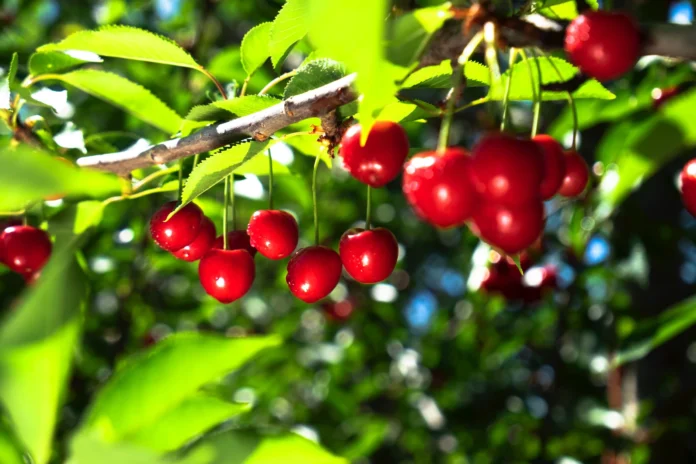
Arabfields, Meriem Senouci, Correspondent, Hanoï, Vietnam — Vietnam presents a compelling long-term prospect for New Zealand cherries, as evolving consumer preferences align closely with the premium attributes of fruit sourced from New Zealand. Recent consumer research underscores how Vietnamese shoppers have grown more selective in their food purchases, placing greater weight on trust in the country of origin, rigorous food safety standards, and consistent product quality. This shift creates fertile ground for high-value imported items such as New Zealand cherries, which excel in meeting these exact expectations through their traceability, reliability, and superior eating experience.
The Vietnamese market has transitioned away from mere novelty-driven purchases toward a more discerning approach, particularly when it comes to fresh produce intended for family consumption, gifting, or celebratory occasions. In this context, New Zealand cherries stand out because they are positioned as dependable premium offerings rather than everyday substitutes for local fruit. Shoppers increasingly seek reassurance about production methods and safety protocols, areas where New Zealand’s established horticultural practices deliver clear advantages. The emphasis on clear country-of-origin labeling and consistent sizing further enhances appeal, allowing these cherries to command attention in modern retail environments across major urban centers.
Trade data reveal robust expansion in Vietnam’s overall fresh fruit imports, which reached approximately 2.42 billion dollars in 2024, marking a year-on-year rise of 23.7 percent. By 2025, the value climbed further to around 3 billion dollars, reflecting a 24 percent increase and signaling sustained momentum into 2026. Projections grounded in these upward trends suggest that Vietnam’s fruit and vegetable imports could exceed 3.5 billion dollars in 2026, supported by ongoing urbanisation and the expansion of modern retail channels. Within this broader import landscape, cherries have carved out a notable niche, with the Vietnamese cherry market expanding to an estimated 43 million dollars in recent years and showing continued growth potential at a compound annual rate of around 3.3 percent through the latter part of the decade.
New Zealand has already secured a meaningful foothold in this segment. Exports of fresh cherries from New Zealand to Vietnam generated roughly 10 million dollars in 2024, positioning the country as one of the leading suppliers alongside larger volumes from other origins. In volume terms, shipments have contributed to Vietnam’s total cherry imports, which surpassed 10,000 tonnes in peak recent periods. For 2026, forecasts indicate that New Zealand cherry exports to Vietnam could rise to between 12 and 15 million dollars, assuming continued investment in quality consistency and relationship-building with local importers. This projection stems directly from the observed maturation of Vietnamese consumer behavior, where premium air-freighted fruit maintains stronger pricing resilience despite overall market pressures from higher-volume sea-freighted alternatives.
Prices for premium New Zealand cherries in Vietnam currently hover around 15 to 34 dollars per kilogram for larger sizes, depending on the retail channel and seasonal supply dynamics. These figures remain notably higher than those for mass-market imports, underscoring the value placed on attributes such as rapid air transport that ensures peak freshness upon arrival within 48 hours of harvest. The ability to deliver fruit at optimal ripeness during New Zealand’s export window, when domestic Vietnamese supply is minimal, further strengthens the strategic positioning. Retailers and consumers alike recognize this counter-seasonal advantage, particularly in Ho Chi Minh City and Hanoi, where modern supermarkets and specialty outlets cater to growing demand for reliable, high-quality produce.
Consumer priorities have evolved in tandem with rising incomes and demographic changes. Vietnam’s middle class is projected to represent nearly 30 percent of the total population by 2026, a milestone that will accelerate spending on health-focused and premium food items. Urbanisation continues to reshape shopping habits, with an expanding network of supermarkets and convenience stores prioritising imported fruit that offers verifiable safety and presentation standards. In this environment, New Zealand cherries benefit from their reputation for rigorous traceability systems and consistent eating quality across seasons and sizes. Shoppers view such imports not as replacements for local varieties but as distinct choices suited to special moments, family wellness, or gifting, thereby sustaining demand even amid broader price sensitivity.
The maturing nature of Vietnam’s consumer economy reinforces these opportunities. Rather than pursuing fleeting volume spikes, successful exporters focus on establishing credibility and long-term partnerships. This approach aligns with the observed shift toward higher expectations and elevated standards within the market. New Zealand cherries, supported by their inherent strengths in food safety and production excellence, are ideally suited to capitalise on these developments. Consistency in supply, presentation, and quality remains essential, as Vietnamese buyers increasingly reward brands that deliver dependable performance rather than one-off novelty.
Looking ahead, the fundamentals supporting further growth appear solid. Continued expansion of the middle class, combined with infrastructure improvements in retail and logistics, is expected to drive imported fruit consumption upward through 2026 and beyond. Global cherry production trends, including increased output from key southern hemisphere suppliers, will provide ample supply to meet rising Asian demand, yet the premium tier occupied by New Zealand fruit is projected to retain its pricing premium due to perceived superiority in safety and taste. In Vietnam specifically, cherry imports could approach or surpass 50 million dollars in market value by 2026, with New Zealand potentially increasing its share through targeted positioning that emphasises origin trust and reliability.
Seasonal complementarity adds another layer of advantage. During the New Zealand harvest period, local Vietnamese cherry availability is limited, creating a window where imported premium varieties fill a genuine gap in the market. This timing allows New Zealand exporters to target peak demand periods for gifting and celebrations, when consumers are most willing to invest in trusted, high-quality options. The research findings confirm that such occasions represent key consumption moments, where attributes like rigorous food safety protocols and consistent quality directly influence purchase decisions.
Exporters who commit to ongoing market development, including clear communication of value and reliable delivery, are well positioned to thrive. Vietnam no longer functions purely as an emerging market but increasingly mirrors the expectations of established middle-income economies. Short-term caution among some consumers exists, yet the long-term trajectory remains positive, propelled by urban growth, rising disposable incomes, and the proliferation of modern retail formats. New Zealand cherries, with their proven ability to meet these elevated standards, stand ready to capture a larger portion of this evolving demand.
In summary, the combination of shifting consumer values and structural market growth positions Vietnam as a strategic destination for New Zealand cherry exports. By leveraging strengths in safety, traceability, and quality consistency, New Zealand producers can build sustainable presence in a market that increasingly values premium, origin-trusted fruit. The data-driven outlook for 2026 and subsequent years points to continued expansion, provided exporters maintain focus on long-term credibility rather than short-term volume pursuits. This alignment of supply capabilities with consumer expectations ensures that New Zealand cherries will play an increasingly prominent role in Vietnam’s fresh fruit landscape for years to come.