Arabfields, Sana Dib, Financial Correspondent Johannesburg, South Africa — In a significant development for South Africa’s agricultural export sector, stakeholders in the export-oriented fruit value chain, along with the Western Cape Government and Transnet Port Terminals, announced on December 22, 2025, the renewal of a successful Public Sector Partnership aimed at enhancing operational readiness at the Cape Town Container Terminal, according to the communiqué issued jointly by Agbiz, Hortgro, the South African Table Grape Industry, and the Fresh Produce Exporters’ Forum. This initiative, which proved effective during the 2024/25 deciduous fruit export season, will once again deploy critical infrastructure to support the upcoming 2025/26 season, ensuring smoother handling of perishable goods during peak periods.
The partnership focuses on addressing longstanding challenges at the terminal, particularly those related to refrigerated container capacity and disruptions caused by adverse weather conditions. For the new season, two additional 500kVA generators, each equipped with 60 dedicated reefer plug points, will be deployed from Week 52 through Week 11, creating an extra reefer stack to manage high-volume export weeks more efficiently. This measure directly responds to the need for enhanced cold-chain stability, allowing the terminal to better cope with unforeseen interruptions, such as prolonged windbound days that can halt operations and compromise fruit quality.
Piet de Jager, CEO of the Fresh Produce Exporters’ Forum, emphasized the importance of this preparedness, noting that a primary goal is to equip both the terminal and the fruit industry to handle operational disruptions effectively. By providing surplus plug points during the peak season, the Cape Town Container Terminal can sustain cold-chain integrity no matter the circumstances, which is vital for maintaining fruit freshness, minimizing losses, and reinforcing South Africa’s position as a reliable supplier of premium produce on the global stage, according to the communiqué.
This collaborative effort extends beyond immediate fixes, representing a broader commitment from the agricultural sector to partner with government entities in bolstering essential export infrastructure. Mecia Petersen, CEO of the South African Table Grape Industry, highlighted the milestone this renewal signifies in public-private initiatives at the port, stating that the sector is dedicated to collaborating with public stakeholders to fortify critical facilities. Through joint investments in solutions like expanded reefer capacity, the industry aims to safeguard markets, preserve employment, and foster sustained economic expansion.
Funding for the generators comes from a coalition including the Western Cape Government, the Fresh Produce Exporters’ Forum, Hortgro, the South African Table Grape Industry, Santam, and the KAL Group, with coordination handled by Agbiz. This shared financial responsibility underscores the proactive stance of private players in supporting public infrastructure, ensuring that practical enhancements are implemented swiftly to benefit the entire value chain.
Dr Ivan Meyer, Western Cape Provincial Minister of Agriculture, Economic Development and Tourism, linked the partnership to the province’s Growth for Jobs strategy, describing the Port of Cape Town as a vital economic hub whose performance directly influences employment, investment, and international competitiveness. He praised the collaboration as evidence of how joint innovation can yield tangible results, stressing that efficient port functions are indispensable for growth and that such alliances are pivotal in expanding capacity to realize broader economic and social gains for the region.
Looking ahead, this renewed partnership builds on a year of remarkable progress at the Cape Town Container Terminal, setting the stage for even stronger performance in the coming years. Throughout 2025, the terminal has demonstrated substantial improvements, with refrigerated container volumes rising by 32 percent and overall exports increasing by 24 percent compared to the previous period. These gains have been driven by strategic investments, including the introduction of new rubber-tired gantry cranes, enhanced workforce engagement through additional shifts and incentive programs, and real-time monitoring systems that have collectively elevated operational efficiency.
The terminal’s resurgence has been particularly evident in peak performance metrics, such as achieving volumes 62 percent above targets in certain weeks, marking the highest weekly throughput in years. Furthermore, the World Bank’s Container Port Performance Index recognized the Port of Cape Town as the most improved globally in its latest rankings, a testament to ongoing reforms like extended crane hours and better coordination across the logistics chain. With additional equipment deliveries planned, including more cranes through 2026, the terminal is on track to align its landside and berthing capacities at around 1.4 million TEUs annually, providing ample room for growing export demands.
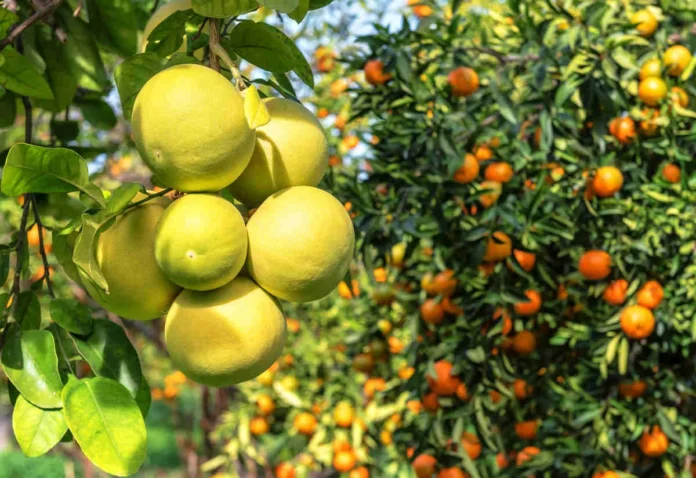
These infrastructure upgrades arrive at a crucial time, as South Africa’s fruit export sector anticipates continued expansion. Deciduous fruit volumes, including table grapes, stone fruit, apples, and pears, are projected to see modest increases, supported by favorable weather and investments in new varieties. Broader agricultural exports have already shown robust growth in 2025, with fruit playing a dominant role in driving higher volumes and values to key markets in Europe, Asia, and the Middle East. The renewed partnership’s focus on reefer capacity will directly support this trajectory, ensuring that time-sensitive perishable shipments face fewer delays and maintain superior quality upon arrival.
In the longer term, sustained collaboration of this nature could transform the Cape Town Container Terminal into a more resilient and competitive gateway, mitigating risks from weather events and equipment constraints that have historically impacted exporters. As additional generators and cranes come online, coupled with potential private sector involvement in further developments, the terminal’s ability to handle peak seasons without significant bottlenecks is expected to improve markedly. This, in turn, will likely translate into reduced losses for growers, stabilized supply chains, and enhanced confidence among international buyers who rely on consistent deliveries from South Africa.
Moreover, the partnership model itself offers a blueprint for future initiatives across other ports and sectors, demonstrating how targeted public-private investments can yield rapid improvements in national logistics. With the 2025/26 season approaching, exporters can approach it with greater optimism, knowing that contingency measures are in place to protect cold-chain integrity and operational flow. Over the next few years, as full equipment rollouts and process optimizations take effect, South Africa’s fruit industry stands poised to capitalize on global demand, potentially achieving record export volumes while solidifying its reputation for reliability and excellence.
This renewal not only addresses immediate needs but also signals a commitment to long-term sustainability in one of the country’s most vital economic sectors. By prioritizing preparedness and innovation, the involved parties are laying the groundwork for a future where port inefficiencies become a relic of the past, allowing the fruit value chain to thrive amid growing international competition and evolving market dynamics. The implications extend far beyond the docks, supporting thousands of jobs in farming, packing, and logistics, while contributing meaningfully to provincial and national growth objectives. As these efforts compound, the outlook for Cape Town’s container operations and the fruit exports they facilitate appears increasingly bright, promising a era of enhanced capacity, reduced risks, and expanded opportunities for all stakeholders involved.